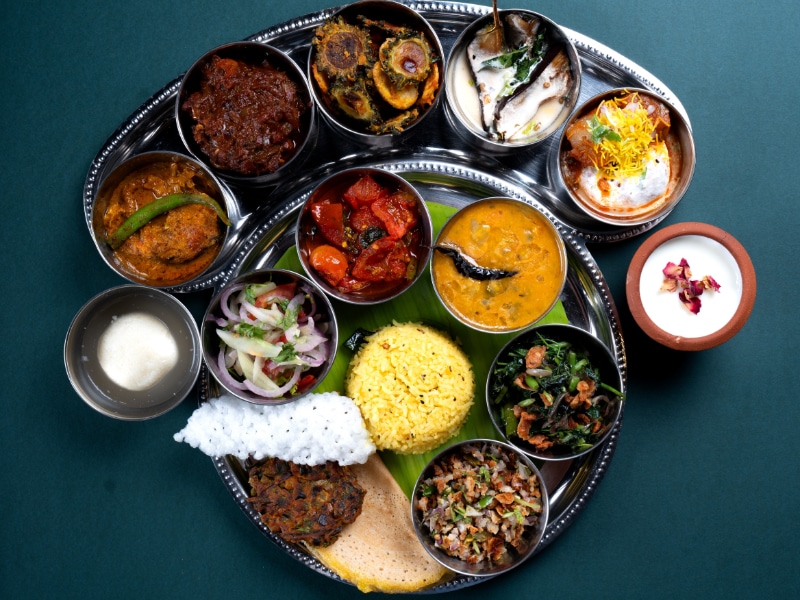
Premixes reduce cooking time and are more convenient to use because they do not involve storing, buying, or planning of ingredients. A standardised recipe formula can be maintained, and taste consistency attained by using premixes. From Indian to continental and Thai to Chinese, many exotic recipes are easily available in premixes that help produce authentic dishes without worrying about the authenticity of the flavours and ingredients.
New vistas
Premixes help reduce preparation time and drive faster deliveries and table turnaround. By reducing the delivery and service time, restaurants can rotate customers on tables quickly and generate more revenue. Himanshu Bhatt, Head – Food Category & GM – Marketing, Food Services India Pvt. Ltd. (FSIPL), says, “We have launched two variants in the ‘no onion’ and ‘no garlic’ range of our gravies – one is a red-gravy base and the other is a yellow- gravy base under our brand Sunbay. Apart from these gravy bases, we have extended our semi-finished ready-to-cook range too. We have launched pav bhaji base and sambar concentrate of gravies as well. Given the massive demand for a good chop masala in the industry, we recently introduced this product. We have also extended our range of cooking sauces to oriental cuisine by launching hot garlic sauce and Chinese chilli paste. These ranges are specially made for restaurants that are looking to scale and standardise their SOPs and cooking processes.”

Cuisinary, the food service vertical of Symega, has recently forayed into a range of sauces and gravies for customers in HoReCa and QSRs. The range varies from various emulsions like mayonnaise, cheese-based sauces and other mayo extensions and a plethora of culinary sauce solutions to cater to multiple popular cuisines like Indian, Chinese, Italian, Thai, and others. The choice of culinary sauces and gravies include pizza pasta, smokey barbecue, Chinese chilli paste, schezwan sauce, biryani and Indian gravies and many more.
Handling manpower
There is a challenge in getting manpower because of reverse migration; hence businesses need solutions which can help their operations. Cloud kitchens are also driving growth because of the need for their operations.
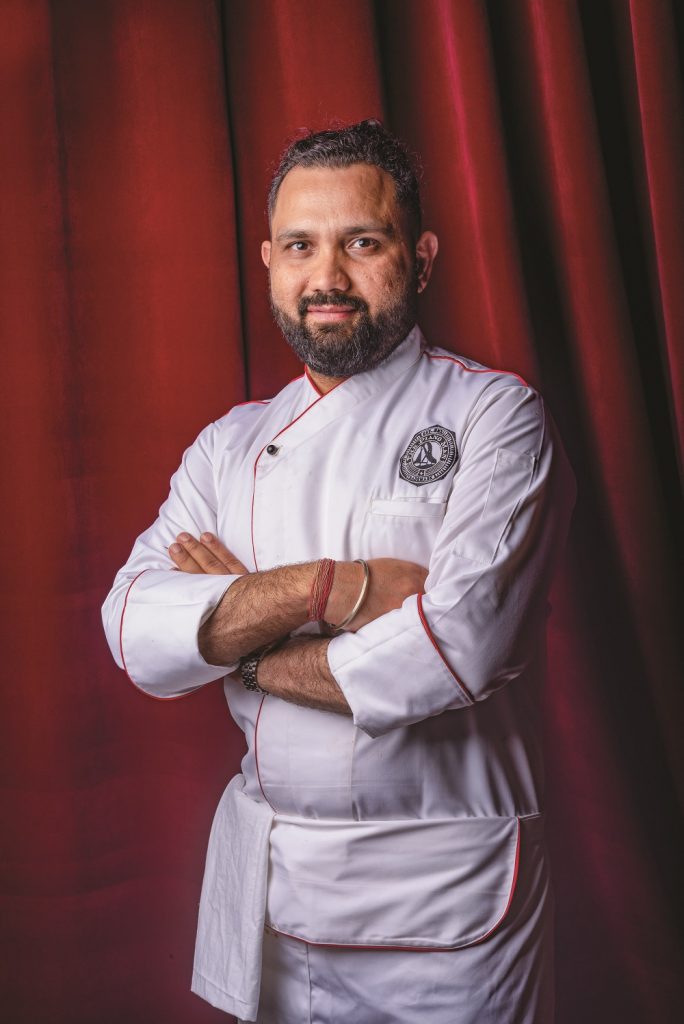
Manoj Pandey, Partner Chef, The Piano Man, says, “Being a chef, I would like to learn how to make all of my sauces myself, but in today’s multi-cuisine world with tough competition, it is essential to maintain uniformity across all units or outlets. A defined SOP is a must to meet the increasing demand and cater to it in the allotted time frame. Premixes and sauces are highly helpful to facilitate this efficiency in the kitchen since it is a multifaceted functional environment where a lot of work needs to be completed in a limited amount of time. Additionally, this type of set SOPs with goods is particularly helpful since they prevent the frequent turnover of kitchen chefs’ staff in restaurants, which is inevitable for several reasons. Not to forget, they are quick and easy to dish out, and the measure of ingredients is always on point.”
Growth story
The premixes market has been seeing exponential growth over the last few years. This is closely related to swift personnel turnover in the kitchen, prompt product delivery, upholding quality standards, and being user-friendly. Instant Sauces and premixes are found to be citing growth recently over the rate of 3.3% per year. Premixes are readily available, basically a custom blend that uses a food fortification process by adding preserves such as nucleotides, amino acids, and other ingredients.

“Premixes and sauces are mainly being used and designed for larger catering and QSR restaurants, where one wants to cut the staff and prep short and buy these readily available resources. These help the restaurants in many ways, such as prep times, cooking resources and equipment costs, storage and mainly, the controlled work hours of employees. The main cause of it is cutting short the manpower and implementing contingency plans across,” says Nitish Kumar Singh, Executive Chef, Radisson Blu MBD Hotel, Noida.

Chef Siddharth, Brand Chef – Mamagoto (PAN India), Azure Hospitality, says, ” Sauces are expanding exponentially because more and more food products are being launched every day all around the year. Especially post-pandemic, many restaurants and hotels which were completely closed have also opened, and hence the demand for sauces has increased exponentially. Incidentally, Mamagoto is also launching a new Dim sum-Bao’s- Asian Tacos menu, which will have a variety of new homemade sauces like black pepper, butter garlic, mango, plum, Thai Herb, etc.

Post-pandemic cues

Post-COVID, one of the key issues plaguing the food and beverage business is manpower. Vikas Arora, Business Head – Food Service, Symega Food Ingredients, says, “Post COVID, most commercial kitchens have lowered their costs by reducing manpower, moving into automation and constantly trying to reduce their food costs. With more and more solutions in the sauce and premix categories, chefs can enhance their own convenience and taste and, in parallel, standardise recipes and minimise delivery time and food costs. Also, the surge in the cloud and dark kitchen formats have driven food service companies like Cuisinary to develop more and more solutions befitting their requirement.”

Make or buy

Premixes/Sauces have reduced the kitchen workload, but there are many instances when chefs prefer to make them on their own rather than buy them. Pankaj Shinde, F&B Manager Sayaji Pune, says, “We prefer to make our own sauces as this is our chef’s own recipe, which is liked by the customers and hence, we like continuing with the same old tradition. But sometimes we use the sauces when we have large-size catering events in the hotels or any part of the city, which helps reduce the preparation time in bulk cooking.”

Vikram Kamat, Chairman of the VITS Kamat Group, adds, “Being in tier-II and tier-III markets, getting skilled staff for various cuisines can be challenging, and as customers are well travelled, the authenticity of the dishes cannot be compromised. Thus, premixes and pre-made sauces work as a saviour. Back in the day, restaurants used to themselves grate coconut and then use it, which was very time-consuming in nature as there were hundreds of coconuts that needed to be grated daily. But, the introduction of desiccated coconuts has saved a lot of time and effort. Restaurants are always known to lend a special touch to the recipe by sourcing the best quality raw materials, yet premixes are essential to save time and maintain authenticity in the kitchen.”

However, there really is no hard and fast rule. A standardised recipe formula can be maintained, and taste consistency attained by using premixes. Shammi Agarwal, Director, Pansari Group, says, “Restaurants do prefer it because premixes not only maintain consistency in taste but are also easy to source in bulk. In the case where premixes are not available, then restaurants will have to buy several ingredients. Also, using premixes adds extra flavour and a particular sort of taste, making the dish authentic and demanding among consumers. And when we talk about restaurant chains with multiple outlets, premixes are the greatest boon as it helps them to keep the taste the same at every outlet without much effort.”

While premixes and sauces come with the tag of convenience and consistency, chemical stabilisers and enhancers to ensure durability and packaging require carefully studying the components before using them. It’s better to source the premix/sauce with organic or no less amount of additional stabilisers/flavour enhancers.
Plant Calling

Many premixes are going conscious and are cutting back on ingredients like refined sugar and instead adding cold pressed oils as they are more mindfully made and showcase Indian produce to suit an international palate. Chef Aditi Keni, Founder, Boombay, says, “All of our products have a six-month shelf life despite having no additives or preservatives in them. We have gone the extra step to make the product extremely healthy for our customers to consume by using better ingredients such as cold pressed oils and natural sugars such as organic jaggery and coconut sugar. What you see on the label is exactly what is in the jar and nothing more. Our products cut cooking time by an average of 15 minutes per meal and are super versatile in their uses.

By putting a great deal of thought into the way our food is made and constantly experimenting with our recipes, we have created a range of 100% plant-based sauces, dressings, toppings, dips and spreads, vegan mayo and more made from 100% natural ingredients, sourced from regenerative farms, and globally inspired flavours that are good for you in every way possible.” With most people being well travelled and constantly looking to re-create flavours that they had while on their travels, premixes are becoming popular even as they combine flavour with convenience.