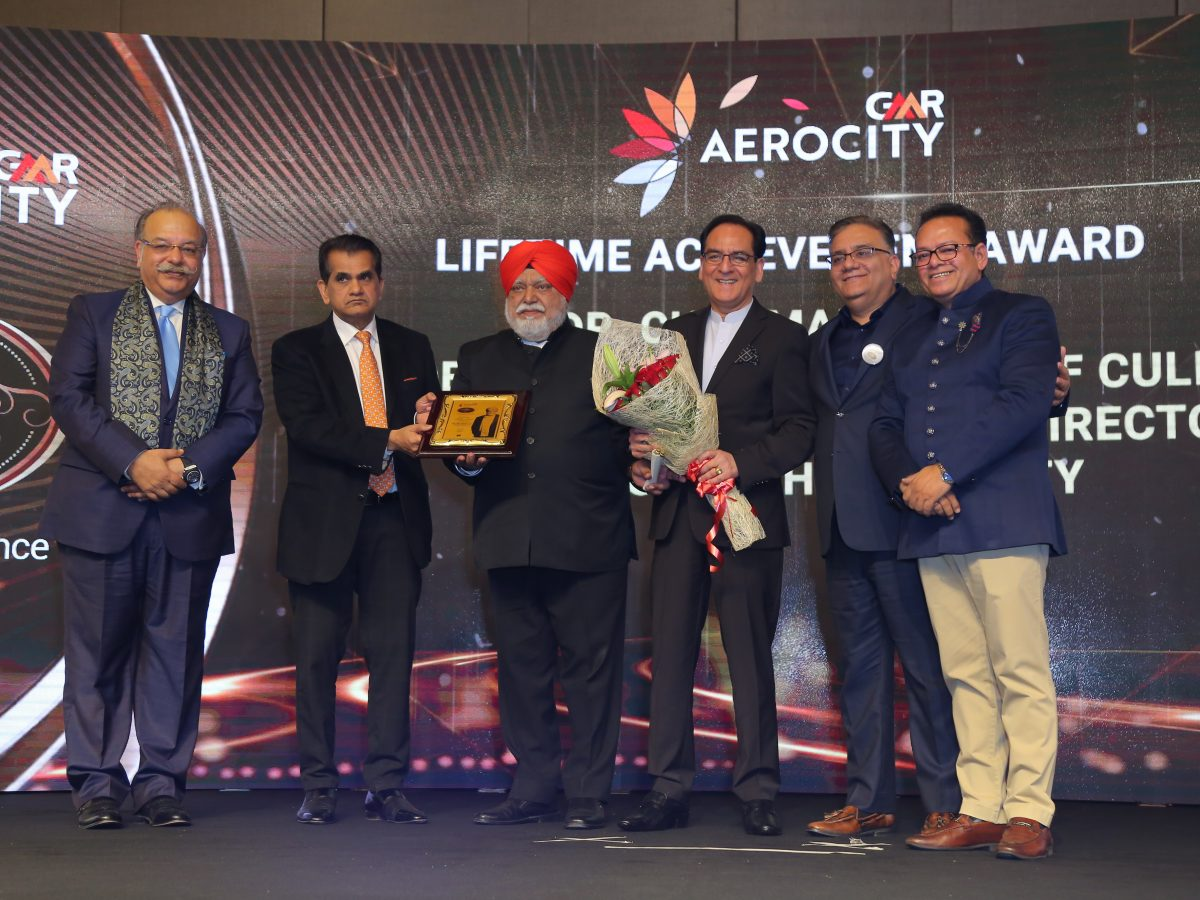
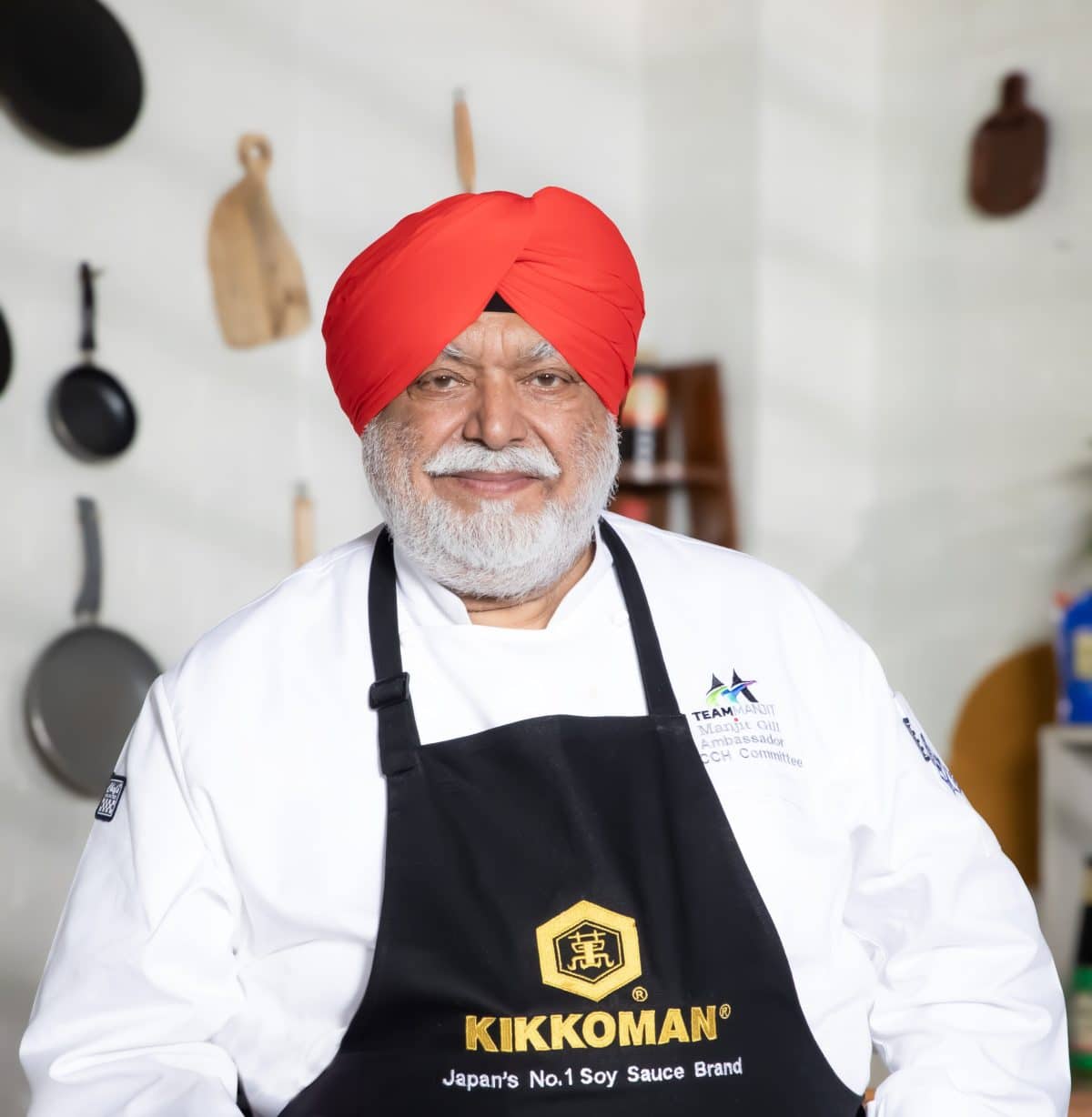
Chef Manjit Gill, President of the Indian Federation of Culinary Associations (IFCA), boasts an illustrious career spanning more than five decades in the culinary world. Renowned for his contributions to Indian gastronomy and his efforts to promote Indian cuisine on the global stage, Chef Gill’s passion for food and dedication to the industry make him a true pioneer.
In a candid interview with Hotelier India, he shared insights into the evolution of Indian cuisine, the challenges faced by the hospitality sector, and his vision for the future of culinary education.
Evolution of Indian Cuisine
Chef Gill reflected on the transformation of Indian cuisine over the years, noting that it has seen a significant shift toward professionalism and structure in the last two decades.
“Indian cuisine initially went through an unstructured phase. It was only in the last 50 years that qualified chefs began to leave India and take Indian food to the world,” he said.
He emphasized the importance of understanding the gastronomic science behind Indian food.
“People are slowly starting to understand the real flavours of Indian cuisine, and this understanding is only growing with time. Indian cuisine is not just about flavour but about a science, a theory behind the ingredients and their combinations,” he explained.
Chef Gill believes that the global recognition of Indian cuisine is progressing as more chefs and food professionals work together to elevate the culinary heritage of the country.
Attracting Youth to the Hospitality Industry
The COVID-19 pandemic hit the hospitality industry hard, causing a decline in youth interest in pursuing careers in the sector. Chef Gill acknowledged this challenge and emphasized the need for the industry to shift its narrative.
“The hospitality industry is often seen as a sector with long hours and hard work. But in reality, it’s a beautiful industry that requires responsibility and passion,” he said.
To attract more young people to join the hospitality industry, Chef Gill advocates for greater interaction between industry leaders and students. He pointed out the gap between education and industry, stating,
“The hospitality industry needs to collaborate more closely with hotel schools to ensure that students are adequately trained and ready to contribute immediately upon graduation.”
Promoting Indian Cuisine Globally
As the president of IFCA, Chef Gill and his team are working tirelessly to promote Indian cuisine on the global stage. They participate in international conferences, congresses, and food festivals to showcase the richness of Indian food culture. Additionally, IFCA is working closely with the Trade Promotion Council of India (TPCI) and the Ministry of Commerce to encourage the export of Indian value-added food products.
One of the key initiatives IFCA has undertaken is the opening of an International Indian Leadership Center. This platform invites chefs from around the world to learn about and experiment with Indian cuisine, helping to spread awareness and appreciation of the diverse flavours and techniques that make Indian food unique.
Collaboration with Kikkoman India
Chef Gill’s recent collaboration with Kikkoman India has generated excitement in the culinary world. Kikkoman, a Japanese brand known for its soy sauce, offers an innovative way to blend global ingredients with traditional Indian flavors.
Chef Gill sees this partnership as an opportunity to explore the evolution of cuisines through the intelligent use of ingredients like Kikkoman soy sauce.
“Indian cuisine has a deep, complex flavor profile, and Kikkoman’s umami can enhance dishes without overshadowing the traditional spices,” he explained.
He has found that Kikkoman soy sauce works well in Indian kebabs and dishes, where it can substitute for salt or vinegar and add an extra layer of depth to the flavor.
“It’s not about fusion; it’s about evolution. When used smartly, soy sauce can complement Indian spices and elevate the dish,” Chef Gill shared.
Advice for Aspiring Young Chefs
For young chefs looking to make an impact in the culinary world, Chef Gill offers invaluable advice.
“First, understand the vastness of Indian gastronomy and master your own regional cuisine. Once you master that, you’ll find it easier to adapt and learn other global cuisines,” he said.
He also emphasized the importance of continual learning and experience.
“Cooking is a journey. It’s about evolving, refining your skills, and learning from each experience,” Chef Gill added.
Moreover, he encourages aspiring chefs to approach cooking with responsibility and ethics.
“Food is not just a product; it’s something that nourishes the body. As a chef, you must understand the impact of the food you create,” he stated.
A New Book on Indian Gastronomy
In addition to his ongoing contributions to the culinary world, Chef Gill is in the process of writing a book on Indian gastronomy. Unlike traditional recipe books, his book will focus on the fundamentals of Indian cooking and the underlying principles that guide the preparation of Indian food.
“Recipes are just guidelines; understanding the essence of the cuisine is what makes a great cook,” he said.
Chef Gill’s book will provide a deeper understanding of Indian gastronomy, offering insights into the cultural and historical context of the food, as well as the techniques that make it unique.
Chef Manjit Gill’s journey through five decades in the culinary world is a testament to his unwavering passion for Indian cuisine and hospitality. As the president of IFCA, his efforts to promote Indian food globally and his work with institutions and brands like Kikkoman India highlight his commitment to bringing Indian culinary traditions to the forefront of the global food scene.
For aspiring chefs, Chef Gill’s advice is clear: Master the fundamentals, keep learning, and take pride in the responsibility that comes with being a chef.