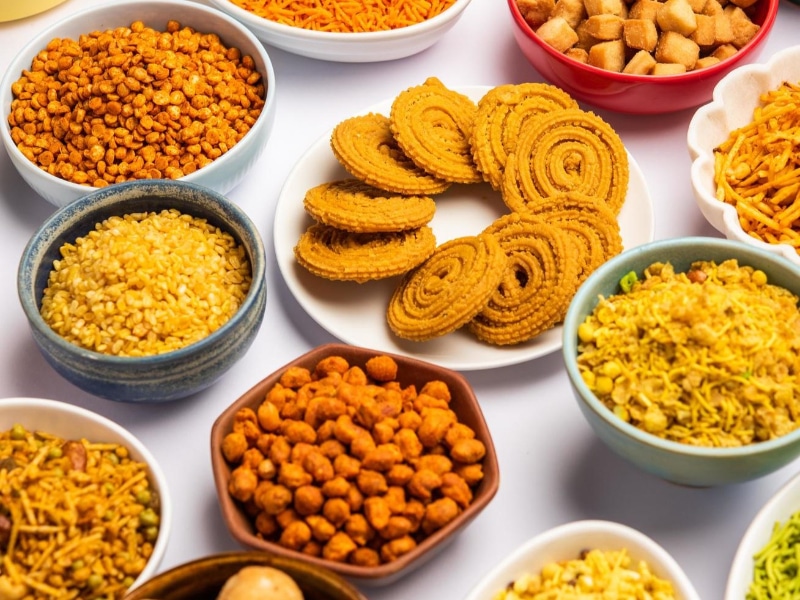

Remember the movie Ratatouille, where Remy serves Ego a dish that instantly transports him back to his childhood, breaking down the walls of the hardened food critic? That’s exactly what traditional Indian recipes do. They not only evoke sweet nostalgia, like a warm hug from the past but also reconnect us to our roots and traditions. Whether it’s your grandmother’s comforting dal chawal or the scrumptious biryani from that old uncle down the street, these dishes represent the collective memories of generations, each with its own unique story to tell.
Traditional Indian recipes are particularly skilled at stirring up cherished childhood memories. But beyond that, they also offer significant health benefits. We’ve seen how our parents and grandparents followed simple, often repetitive diets, yet they belonged to a generation known for healthy eating habits. Their meals included now globally recognized ingredients like ghee, pulses, and turmeric—nutrient-rich staples that have stood the test of time. While fusion cuisine might steal the spotlight with its modern twist, it’s the traditional recipes that truly carry meaning and history on each plate, and they offer something much deeper than the fleeting trends of the global food scene.
The culinary world is constantly evolving, and so are chefs and their techniques. Once focused on tradition, chefs now embrace innovation, reflecting broader societal shifts. From the challenges of ancient cooking to today’s dynamic food trends, the chef’s role has transformed. In a fast-paced world, chefs encourage us to slow down, savour meals, and appreciate the artistry behind the food. No longer just sustenance, food now embodies culture, history, and identity, serving as a creative canvas for chefs to engage with diners who are increasingly conscious of their food’s origins and preparation.
Chefs, the pioneers of these culinary journeys, are now taking on a larger role. They’re acting as storytellers, preserving the legacy of forgotten recipes while sprinkling in a little innovation. Through their menus, they share the origins of ingredients, reveal centuries-old techniques, and celebrate the cultural richness behind each dish. This balance of honouring tradition while adding a dash of modern flair is what keeps the culinary scene fresh and exciting. Take, for example, the trend of reimagining street food: dishes like golgappa, vada pav, and kebabs are being elevated to gourmet experiences, proving that simplicity and tradition can coexist with innovation. Chefs are taking local and seasonal produce and transforming it with techniques like sous-vide cooking or smoke infusion, ensuring that while the soul of the dish remains intact, the experience feels new and exciting.
And let’s be real, chefs love to push the boundaries. They’re combining ingredients and techniques from all corners of the globe—like the blend of Japanese and Peruvian flavours in Nikkei cuisine—to create something fresh yet familiar. In India, the same energy is being channelled into reinterpreting our own traditional dishes. Thanks to global trends, Indian cuisine is enjoying a revival, with chefs embracing everything from molecular gastronomy to farm-to-table practices. Whether it’s the use of liquid nitrogen to reinvent an age-old sweet like rasgulla or the introduction of global plating aesthetics to a homely curry, chefs are showing that Indian cuisine can stand toe-to-toe with the best in the world. This reinterpretation is not just about visual appeal but also about highlighting the inherent complexity and versatility of Indian spices and techniques.
The best part? This fusion of tradition and modern trends is making Indian cuisine more exciting, relevant, and accessible than ever. And that’s something we can all savour. Chefs are playing a vital role in bringing lesser-known ingredients and regional dishes into mainstream menus, ensuring that every part of India’s rich culinary tapestry gets its moment in the spotlight. From the north’s use of mustard oil to the coconut-based gravies of the south, these efforts help to preserve the diverse flavours of India’s regional cuisines while making them accessible to a global audience.
Today, chefs are bridging the gap between tradition and innovation. They keep our culinary heritage alive while making it relevant for today’s diners, blending timeless techniques with modern trends. As global influences shape our eating habits, traditional Indian cuisine continues to thrive. By honouring the past and embracing the future, chefs ensure that India’s flavours remain meaningful and worth savouring. Their role is vital not just in preserving our heritage but in inspiring future generations to see Indian cuisine as both an art and a living tradition.