
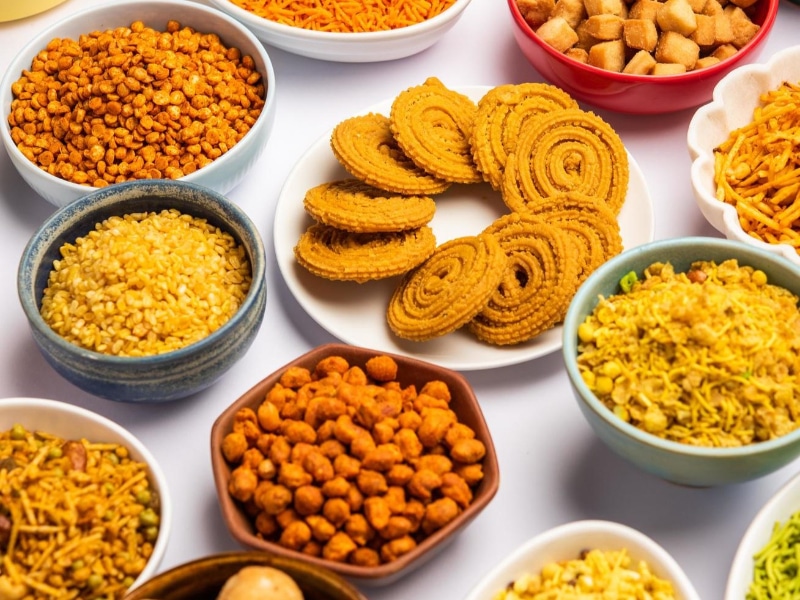
Indian snacks hold a special place in our hearts. Who among us didn’t relish the delightful samosas, crispy pakoras, savoury mathri, or crunchy namak para made at home during our childhood? And let’s not forget the joy of munching on a bowl of sev while watching our favourite Sunday shows. Just thinking about these snacks brings back happy memories. While three home-cooked meals in an Indian household every day is essential, the joy of snacking is something entirely different. However, with busy modern lives, many people struggle to make these snacks frequently. Does this mean they’ll disappear? Not at all. The food industry has stepped in, making authentic Indian snacks readily available. Apart from this, the industry has also embraced innovation in its field. One notable example of this is the increasing experimentation with new and exciting flavours.
- A blend of tradition and modernity
The food industry is going through an exciting change. According to reports, India’s snack market is growing at a speed of 12% and is poised to reach US$23.69 billion in 2028. This report underlines the fact that as the food industry is evolving at such a staggering pace, our favourite snacks are also transforming simultaneously. The blend of global cuisines with Indian food mainly drives this transformation. Take pizza, for example—originally a dish from Naples, Italy, it has now become popular all over the world, including in India. In response to this blend of flavours, companies are launching new products like pizza-flavoured chips. These tasty snacks combine the scrumptiousness of Italian pizza with the lively spices of Indian cooking, showing a wonderful amalgamation. The ingredients are used in such a way that they keep the classic pizza taste. At the same time, adding traditional Indian spices like cumin and red chilli powder offers a unique and nostalgic experience. This mix of new ideas and traditions shows how Indian flavours are being celebrated and reimagined to appeal to today’s generation.
2. Revolutionising quality and scale through technological innovations
Flavour innovation is grabbing attention, but technological advancements are drawing even more interest. Everyone remembers the time when snacks were made at home in small amounts to avoid spoilage. Now, owing to the art of preservation and technology, snacks can be produced in large quantities and without any apprehension that they will get spoiled quickly. One of the most common methods used for preserving snacks is deep freezing. Deep freezing is particularly effective at preventing snacks from becoming prone to micro-bacterial growth. This method preserves the taste and freshness, ensuring that snacks such as samosas, kachoris, and vadas remain mouthwateringly good for months on end. It’s a game-changer for Indian families overseas, letting them savour the true essence of Indian snacks for an extended period.
3. Revolutionising packaging for prolonged freshness
Packaging innovations have completely transformed the way Indian sweets and snacks are preserved, particularly with technologies like Modified Atmosphere Packaging (MAP). MAP works by changing the temperature inside any package to keep perishable foods fresh longer. It basically means getting rid of oxygen, which is a major cause of spoilage, and replacing it with gases like carbon dioxide and nitrogen. Nitrogen helps keep things from oxidising, while carbon dioxide stops microorganisms like mould and bacteria from growing. This method makes sure that sweets and snacks stay fresh, tasty, and texture-perfect for longer, even when shipped across international borders. The fact that MAP can keep foods fresh without using chemical agents perfectly fits with what people want: fresh, minimally processed products.
For instance, sweets like laddoos and barfis can be packed in an oxygen-reduced environment, which not only extends their shelf life but also maintains their visual appeal and tastes over time. Along with MAP, vacuum packing, canning, and pasteurisation are some other ways to keep sweets like rasgulla and gulab jamun fresh. Pasteurisation uses lower heat to kill harmful bacteria without losing flavour or texture while canning seals food in airtight jars. When the food is heated at high temperatures, the germs (if there are any) get eliminated. These preservation methods are crucial, ensuring that these cherished treats stay safe and delicious for a long time, providing consumers with a convenient and lasting choice.
4. The rise of ready-to-cook and frozen snacks
As people lead increasingly hectic lives, preparing snacks from scratch is quite difficult, yet many desire authentic flavours in their snacks. This growing need for convenience is exemplified by the forecasted increase in the ready-to-cook market size in India, which is expected to rise by USD 582.2 million at a CAGR of 7.83% between 2023 and 2028, as per the reports. This trend is driven largely by the increasing demand for convenient food options among the working population. Ready-to-cook and frozen snack options offer quick preparation times, and techniques such as blast freezing ensure that the original flavour, texture, and taste of food items remain unaltered.
Now, consumers can easily create freshly made treats such as parathas, samosas, and kebabs with minimal effort.
Innovation as a lifeline for tradition
In this rapidly changing world, innovation is absolutely essential for preserving the timeless flavours of traditional Indian snacks. Also, new flavours seamlessly blend global tastes with Indian spices, while cutting-edge advancements in freezing and packaging ensure that these snacks not only survive but thrive. They are attracting new fans and meeting the needs of modern foodies while staying true to their cultural roots. With this innovation-led growth, it can be concluded that the future of Indian snacks seems incredibly promising, with more exciting changes on the horizon that will revolutionize the way we enjoy traditional flavours.

The author, Rajesh Garg, is the Managing Director of Piniti Foods.