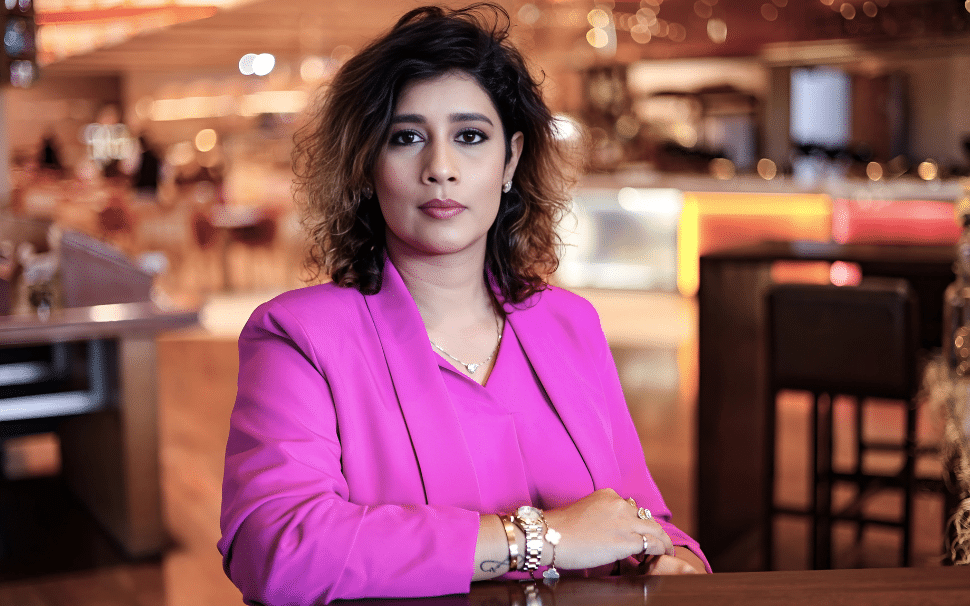

What does it take to build a hospitality brand that lasts over four decades? For Ahuja Residency, the answer was never aggressive expansion or grand ambition. It began with three rooms in a family home, a love for hosting, and an instinctive understanding that care is the true foundation of hospitality.
From the early days of welcoming guests during the 1982 Asian Games to growing into a trusted name across boutique hotels and serviced apartments, the journey has been defined by patience, discipline, and quiet consistency. In this conversation, Rashmi Ahuja, Founder of Ahuja Residency reflects on growing without debt, building trust without chasing the spotlight, navigating challenges as a woman founder in the 1980s, and why, even today, the smallest details still matter most.
What began as a two-room B&B is now a hospitality brand; how did you actually build and grow it along the way?
When I speak about Ahuja Residency, I feel happy and very thankful. We started with just three rooms on a vacant floor of my own home. At that time, I was not thinking about building a brand. I was simply trying to host people well.
I would personally make sure everything felt fresh and homely. I even chose the plants and flowers for the rooms myself. I love gardening, and I truly believe that even one green plant can make a place feel welcoming.
Slowly, one floor became more rooms, then serviced apartments, and eventually boutique hotels in different cities. Guests who stayed longer wanted a space that felt like home, not just a room. That is how our serviced apartments vertical became an important part of who we are.
We grew step by step, like tending a garden, with patience, care, and consistency. Today, as the Chairperson, my role is different, but the accountability feels the same. Growth, for me, must never dilute care.
The 1982 Asian Games sparked it all; was it luck, or were you ready to step into business?
I would honestly call it luck, but it was also timing. Before this, I was a school teacher. I remember not enjoying waking up every morning. Teaching felt repetitive to me, and somewhere inside, I knew I was not doing what truly excited me.

Then the 1982 Asian Games happened, and suddenly there was a demand for accommodation in Delhi. I had space in my home and saw it as an opportunity. At that time, I was not thinking about business plans or expansion. I was simply thinking of trying it out.
What started with just two rooms slowly became something much bigger. Looking back, maybe it was luck that opened the door, but it became my passion very quickly. Once I saw guests feeling comfortable and at home, I realised this was what I wanted to do. I did not step into business with any grand vision, but I stepped into it with care.
Your first guests stayed in your home – how does that still shape your guest experience today?
When the first guests stayed with me, it did not feel like business. It felt like responsibility. I felt personally accountable for their comfort.
Even today, that feeling has not changed. Whether it is a hotel room or a serviced apartment, I want guests to feel they are in a space that is cared for, not just managed. A space should breathe. It should feel alive. Hospitality, for me, has always been about creating a home away from home.
Over four decades, has the traveller changed more, or the expectations?
I have seen many trends come and go over four decades. Today, guests expect high-speed internet, seamless connectivity, and smart conveniences. These things are important now.
But at the core, travellers have not changed. They still want comfort, cleanliness, warmth, and to feel safe. Those basics will never change. When guests come to us, whether for one night in a boutique hotel or several months in a serviced apartment, they want to feel relaxed. They want to feel cared for.
You built quietly without chasing the spotlight – did that shape the brand’s trust?
Absolutely. I believe building quietly has shaped our brand’s trust in a very strong way.
When a brand grows slowly and steadily over the years, it becomes much stronger. Gradual growth is very important in any business. Anything that rises too quickly can also fall quickly.
I always believed that we should first build trust, then expand. When we earned the trust of our guests with a small inventory, only then did we feel confident about our service quality.
Even today, as we grow into new cities and think about other countries, my focus remains the same: to never compromise on care, safety, and consistency. That is how I have tried to build Ahuja Residency.
Even today, what detail do you still pay attention to yourself?
Even today, I prefer being at the property rather than sitting in a corporate office cabin. For me, walking through the hotels and observing quietly is much more important.
Cleanliness is the foundation of this business, and without it, nothing else matters. At the end of the day, guests may not see everything we check, but they can always feel it. That feeling of warmth, comfort, and care is what I still pay the most attention to.
Looking back, which decision felt small then but defined the brand later?
In the beginning, food was very simple, as it was just about breakfast. I did not realise how powerful food would become in shaping a guest’s memory.
Over time, I understood that a good meal creates connection. It makes a stay memorable. That realisation led us to strengthen our dining offerings and develop restaurants as part of the business. That blend became a strong part of our identity.
Sometimes small, practical decisions end up defining your direction.
Which business decision had the biggest impact on making the company consistently profitable?
One important decision was to grow without heavy debt. I have always preferred peaceful growth. It allowed us to expand slowly. We added serviced apartments and strengthened our boutique hotels without pressure.

During difficult times like Covid, this helped us stay steady and protect our team. For me, profitability is not just about numbers. It is about sustainability and sleeping peacefully at night, knowing you have built something stable.
In the 1980s, was the bigger challenge building the company or being taken seriously as a woman founder?
In the 1980s, being taken seriously as a woman was definitely a challenge. Hospitality ownership was largely male-dominated. Many people thought it was just a hobby for me.
But I did not argue. I focused on doing the work well. Over time, consistency speaks louder than words. When guests returned, when our places filled up, and when our standards remained strong, perceptions changed. That journey made me stronger.
What is the long-term vision for Ahuja Residency, and where do you want the brand to reach next?
In the coming years, we are focused on expanding through serviced apartments and boutique hotels across key Indian cities. We are also exploring selective international opportunities. But expansion will always be measured. I have never believed in growing for visibility. I believe in growing when the foundation is strong enough to carry the next level.
In addition, a very personal part of my long-term vision is centred around women travellers. I want Ahuja Residency to be a name that a woman can choose instinctively, without hesitation. A place where she feels secure, respected, and genuinely looked after. That commitment is not a marketing angle, but a responsibility I feel deeply as a woman leader.
Legacy, to me, is not about the number of properties we operate. It is about whether the brand stands for something enduring. We will expand and we will evolve. But the soul of the business, trust, warmth, discipline, and integrity, will remain untouched. That is the future I am building toward.