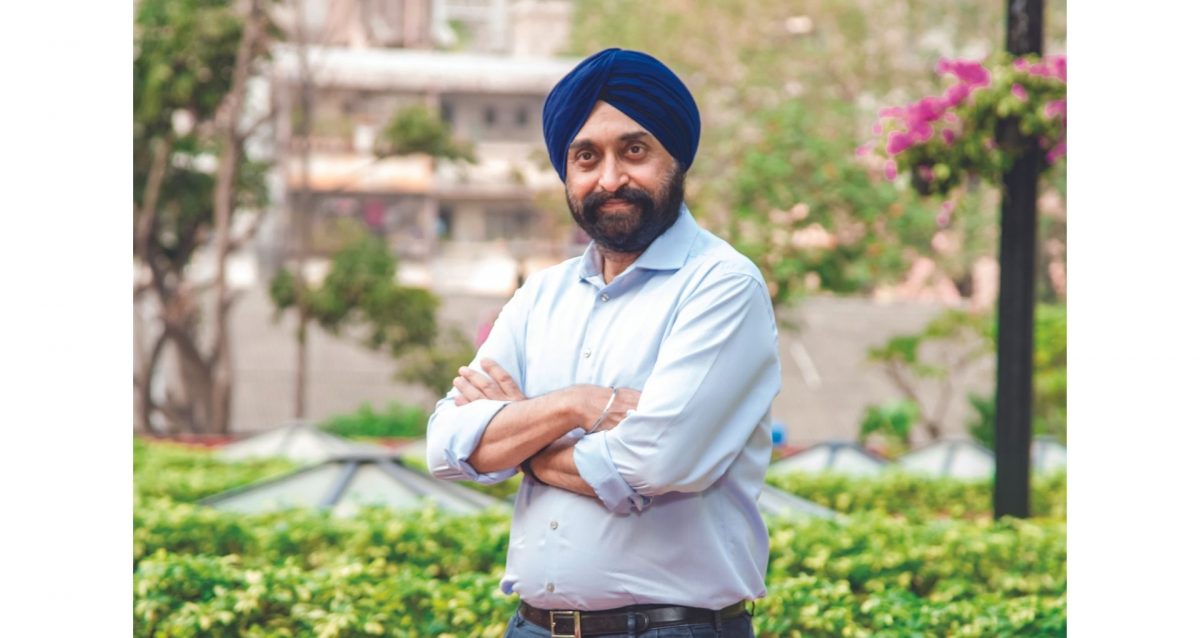
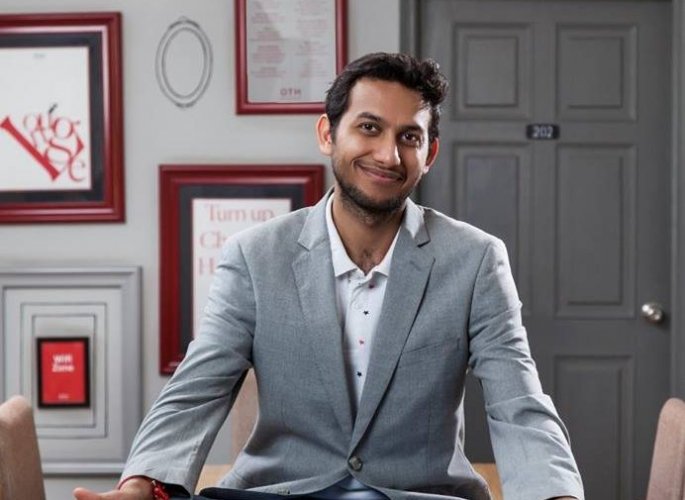
Kapil Chopra
Our fee structure is actually three times of any hotel player in the country. We do not operate on the management structure that most hotel companies operate on in India or globally


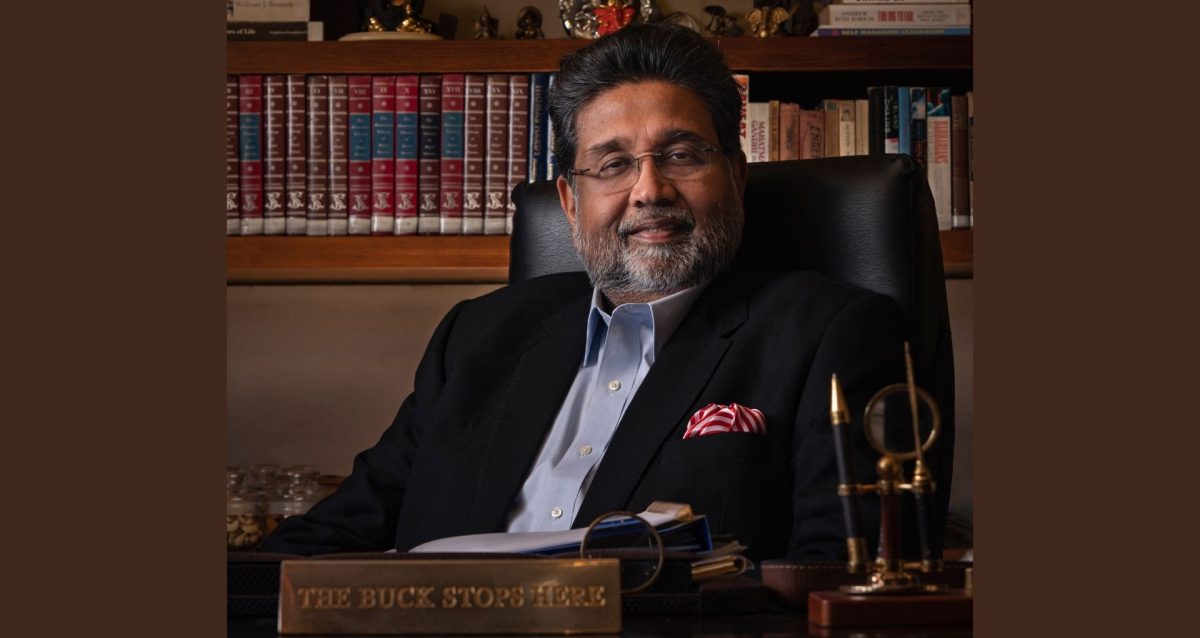
When he started The Postcard Hotel (TPH) in 2018, Founder and CEO, Kapil Chopra believed that luxury hospitality’s future lay in small experiential hotels with high levels of personalised service. Hence, the company’s properties were best suited to fit the changed travel trends during COVID-19, when people preferred boutique upscale hotels.
“While revenues of most companies globally fell by over 70% in 2020 as compared to 2010, TPH’s revenue grew by 51% despite being closed for four months. Our hotels were full from the time we re-opened till the second wave hit,” Chopra stated.
While launching TPH, Chopra was clear about one thing – he would deliver what guests wanted, even if it meant disrupting the traditional service experience, anytime check in and check out or anytime breakfast. These were some things that no hotel chain had attempted to break before TPH came on the scene.
PRICING IT RIGHT
Another thing Chopra was clear about from the beginning was that all of TPH’s six operational properties would not drop rates or compromise on their offerings. “We were the rate leaders in Goa with the highest ARR, as well as in Bhutan and also Galle, Sri Lanka,” he emphasised.
He added that TPH had a 50% higher rate than any other luxury hotel in Goa. Yet, footfalls were good as guests appreciated the property and service differentiation. “It is not easy to run small hotels, which are at the highest level of customer centricity; many find it difficult to adapt to this way of life,” Chopra pointed out.
From a distribution perspective, most brands often look at three ways of selling – their sales teams, travel agents and OTAs. TPH’s distribution strategy goes above and beyond to reach customers directly. Chopra claimed that it is the only luxury hotel company in India with its own property management system. “Our data management is very advanced and functionally optimised as we do not work on outsourced tech systems,” he elaborated.
STRONG FOUNDATIONS
Relying on his two-decade experience, Chopra constantly questions every single aspect of hospitality to have a long-term plan. According to him, people often think short term and lack a strategy growth roadmap to build on. In most companies, by the time a strategic roadmap is laid out the leadership has already changed and the organisation undergoes a big metamorphosis. This approach saw the fortification of TPH’s development pipeline.
“Our fee structure is actually three times of any hotel player in the country. We do not operate on the management structure that most hotel companies operate on in India or globally,” Chopra
explained.
He added that TPH is amongst the most expensive operator because it can generate the highest returns for owners who want to tie up with it. Moreover, it has innovative financial models that allow it to either completely buy an asset or operate it on very different parameters from other hotel brands.
“Within three years, we have over INR 2000 crore worth of assets under management (AUM). I believe that within another three years, we would have over a billion dollars’ worth of AUM and will be the first and fastest luxury hotel company globally,” he stated with his trademark confidence.