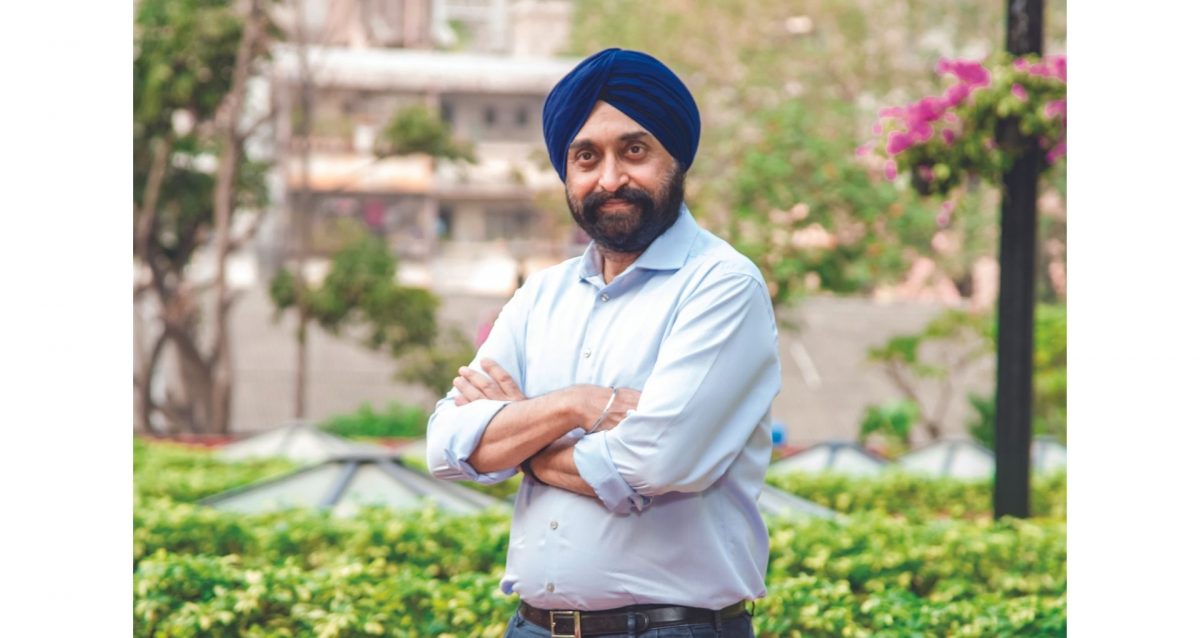
Sartaj Singh
We resolved to stick to our knitting and focus on the company’s métier – building hotels that add value to the core business parks portfolio


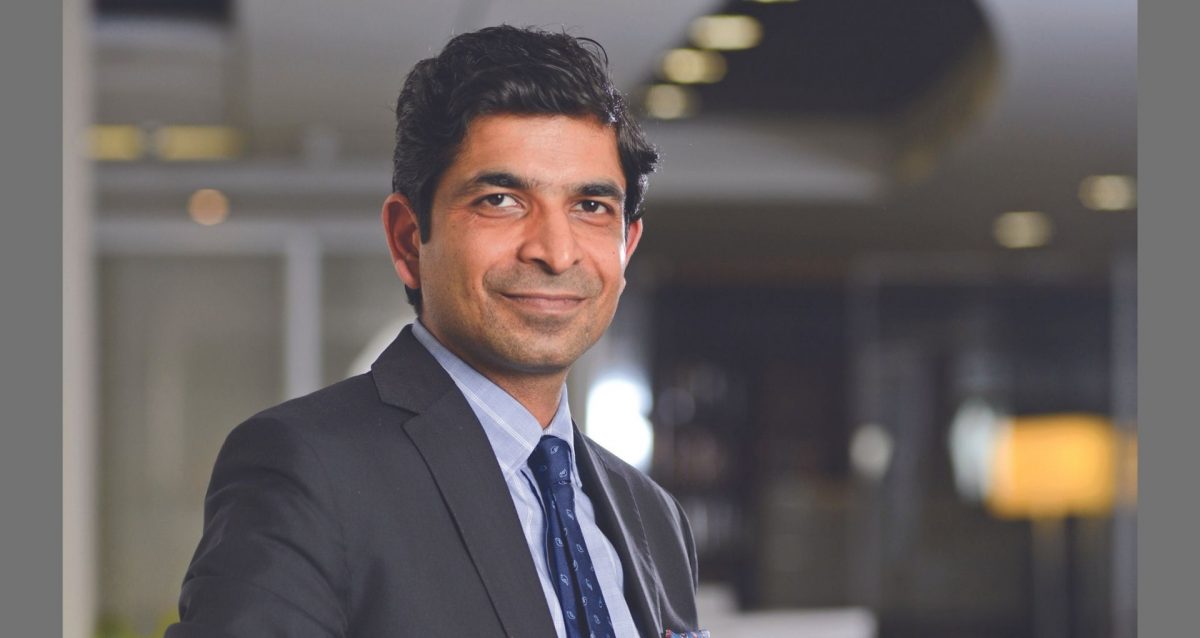
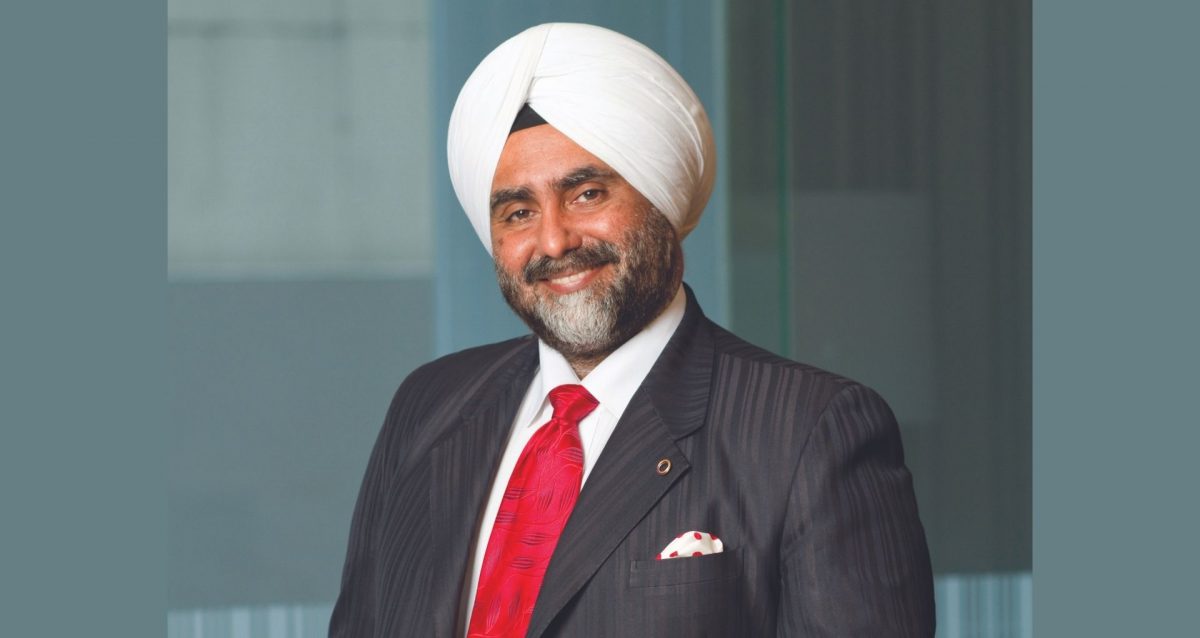
Sartaj Singh President-Hospitality Business of Embassy Property Developments calls himself an accidental hotelier! He joined the hospitality industry in 2015 at the invitation of Embassy Group’s Chairman, Jitu Virwani after a corporate career spanning 35 years at blue-chip chemicals and agricultural MNCs including ICI, Cargill, Monsanto and FMC in India.
“We entered the hospitality sector in 2014 since it added value to our corporate parks by providing accommodation within the premises. This got our company better rentals,” Singh explained.
At Embassy, Sartaj was mandated to aggressively grow the fledgling hospitality vertical and lead the development of Embassy One project, which included the Four Seasons Hotel & Private Residences in Bengaluru. Under his leadership, the company’s hospitality business grew 10X within five years with over 1650 keys and a pipeline that included South India’s largest dual branded 620 key Hilton and Hilton Garden Inn at Embassy Manyata Business Park. During this phase, the group also initiated serious prospecting of a national footprint including standalone projects and acquisitions.
SELF-REFLECTION
Post-pandemic, some thoughtful introspection by Virwani and Singh led the company to take a decisive assessment. “We resolved to stick to our knitting and focus on the company’s métier – building hotels that add value to the core business parks portfolio,” Singh explained.
Also, since all operating and pipeline hospitality assets were transferred to the Embassy REIT, his role in the company was redefined. He currently focuses on the development of future hotel portfolio for the parent company, builds and maintains brand relationships and strategises on relevant business models. He is also the wholetime director of Mac Charles India Limited, a listed company acquired in 2016 with the landmark Le Meredien asset in Bangalore’s CBD.
Singh is also involved in devising robust revenue structures and product resource planning with the Embassy Group’s growing verticals of clubs and leisure co-living brand, ‘Olive’, which was launched last year. The pandemic put the brakes on plans to introduce the shared accommodation outposts in Bengaluru and Chennai.
The prevalence of the WFH culture saw fewer on-ground visitors to business parks, who are the target clientele for this brand. “We are testing the waters with some brownfield projects in Bengaluru. Our long-term plan for ‘Olive’ doesn’t change, though we might have a 500-key Olive Plus or a 100-key Olive Premium,” Singh explained, outlining how the company is adopting a flexible approach to keep pace with dynamic trends.
Change can be very challenging, but embracing it quickly can help organisations move in the direction of success. By constantly identifying new areas to operate in, Embassy Group has become smarter in anticipating changes and making space for evolved opportunities.