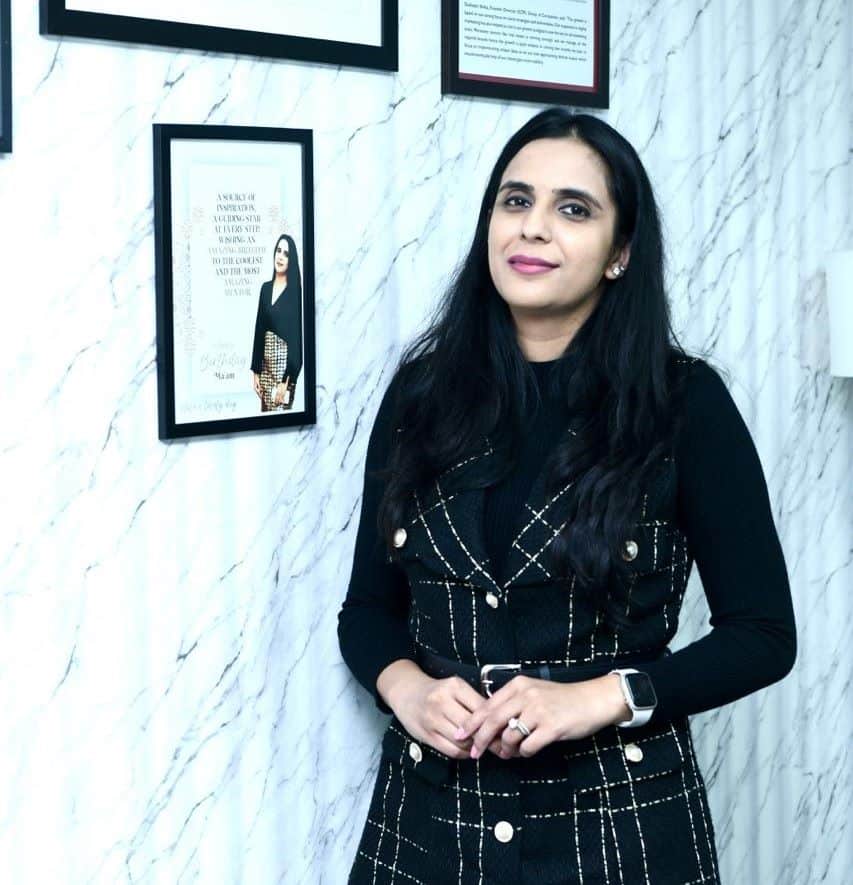
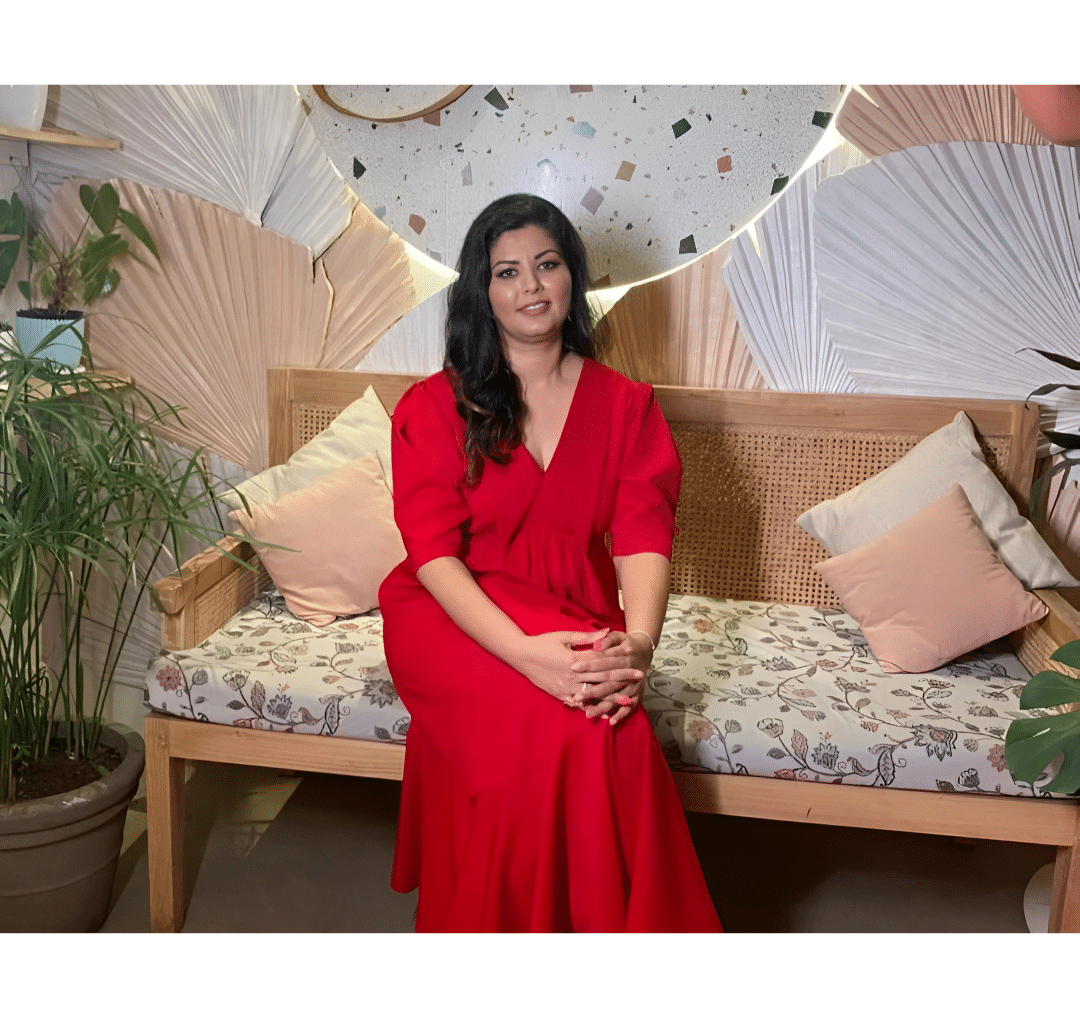
Stepping into the hospitality industry isn’t just about great food and beautiful spaces; it’s about leadership, creating experiences, building relationships, and staying ahead in an ever-evolving market. For Niketa Sharma, Managing Director of Keish Hospitality, the journey has been one of resilience, bold decisions, and an unwavering commitment to excellence.
Starting young in a male-dominated industry, Niketa faced challenges that could have easily deterred her. But instead of backing down, she immersed herself in every aspect of the business, proving that leadership isn’t about age or gender; it’s about vision and execution. Over the years, she has built a thriving empire of restaurant brands, each with its own unique identity, yet all bound by a shared philosophy of quality, innovation, and customer-centric hospitality.
In this conversation, Niketa opens up about her defining moments, the principles that guide her leadership, and the future of Keish Hospitality. From navigating the complexities of the industry to empowering the next generation of women entrepreneurs, she shares insights from a journey that is as inspiring as it is insightful.
What were some of the biggest challenges you faced when you first entered this field, and how did you navigate them?
One of the biggest challenges I faced was entering a male-dominated industry at a very young age. At just 22 to 23 years old, it was difficult to be taken seriously and to have my voice heard in important conversations. In an industry where experience is highly valued, proving myself was not easy.
I overcame this with integrity, resilience, and hard work. I focused on learning every aspect of the business, from operations to customer preferences, and made sure my work spoke for itself. Over the years, I built credibility by delivering results, staying committed to my vision, and never hesitating to make bold decisions.
Your journey began over a decade ago. Looking back, what was the defining moment that shaped your career in hospitality?
The defining moment in my career was taking over the Thane Club. Before that, I was unsure about what I truly wanted to do. I was exploring different career paths, jumping from one opportunity to another, feeling directionless.
The moment we acquired Thane Club and I started working there, everything changed. I realized my passion for hospitality and knew this was what I wanted to build my future around. From that point onward, I never looked back.


The transition from finance and international hospitality education to managing restaurants is significant. How did your academic background influence your approach to business and leadership?
My finance background has played a crucial role in how I structure and manage my businesses. Understanding P&L statements, budgets, and financial forecasting helped me make strategic financial decisions at the right time. It allowed me to focus on profitability while scaling operations efficiently.
My international hospitality education gave me exposure to global markets and industry best practices. I learned about leadership, consumer behavior, marketing strategies, and the importance of creating unique dining experiences. This combination of finance and hospitality knowledge has given me an edge in understanding the Indian restaurant market and shaping my brands successfully.
Managing seven successful restaurant brands requires a deep understanding of operations, customer preferences, and market trends. What key principles guide your decision-making process?
One of the biggest lessons I learned during my hospitality studies was the importance of conducting market research before making any major business decision. Strong leadership in this industry means making informed choices, and before launching a new restaurant or adding a new concept, I always conduct surveys internally with customers and externally within the market to understand demand, trends, and customer expectations.
Key principles that guide my decision-making:
- Customer Feedback: I regularly review feedback forms from all my restaurants, helping me track customer preferences and areas that need improvement.
- Market Research: Before launching a restaurant or a brand, I analyze industry gaps, customer demands, and market trends to introduce something that truly resonates.
- Team Insights: My employees interact with customers daily, so I ensure open communication with them through regular team meetings to gain real-time insights into customer behavior and operational efficiency.
Growing from a team of two to a workforce of 350, I have learned every layer of restaurant operations, which now helps me manage them with ease.
With a diverse portfolio of restaurants, how do you ensure that each brand maintains its distinct identity while aligning with the overall vision of Keish Hospitality?
Diversification has been a core strategy from the very beginning. I never wanted my brands to compete with each other or eat into their market share. The idea was to create distinct restaurant concepts that cater to different customer segments while maintaining a consistent standard of quality, service, and experience.
Each restaurant has its own unique identity, cuisine, and target audience. For example, some of our brands appeal more to Gen Z and millennials, while others cater to a more mature audience. The design, branding, menu, and overall ambiance are carefully curated to ensure each brand stands out while upholding the Keish Hospitality vision offering high-quality food, exceptional service, and a memorable dining experience.

Hospitality is about creating experiences. What, in your opinion, defines a truly memorable dining experience, and how do you incorporate this philosophy across your restaurants?
A memorable dining experience is built on three pillars: exceptional food, outstanding service, and an inviting atmosphere.
- We never compromise on food quality. Our recipes remain authentic, and we source the best ingredients to ensure consistency.
- Our service staff undergoes regular training every six months, where they are tested on menu knowledge, customer interactions, and brand values. This ensures that every team member aligns with the restaurant’s identity.
- Ambiance plays a huge role in the experience. Each of our restaurants is designed to be visually appealing and Instagram-worthy, adding to the overall brand experience.
Ultimately, it’s about creating a space where people not only enjoy great food but also feel a connection with the place, making them want to return.
Women’s empowerment is often talked about, but what tangible steps do you think industries can take to create real opportunities for women?
Women in business need equal opportunities, fair pay, and a supportive work environment.
Companies should actively create leadership opportunities for women, invest in their growth, and implement mentorship programs. The key is to create a culture where women feel safe, valued, and encouraged to lead.
The first step is for women themselves to think big and believe they belong in leadership roles. If more industries actively support women, we will see more female entrepreneurs, decision-makers, and industry leaders shaping the future.
Who has been the biggest inspiration in your life, and how has their influence shaped your journey?
At different stages of my life, I have had multiple mentors and inspirations.
- My parents instilled in me the values of hard work and perseverance.
- Industry leaders like Ratan Tata, Chef Vikas Khanna, and Indra Nooyi have inspired me through their leadership and vision.
Whether through personal relationships or learning from books and interviews, each of them has shaped my journey in some way.