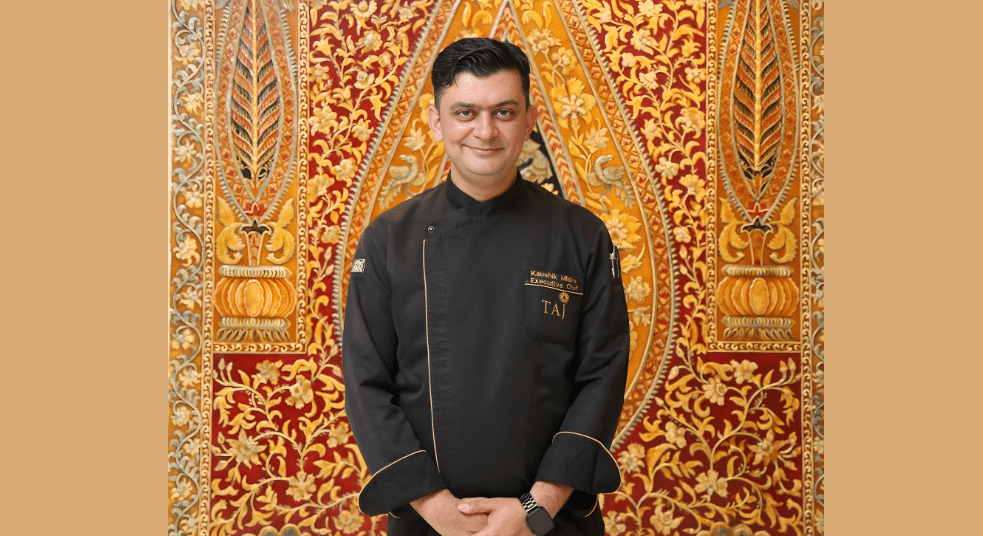
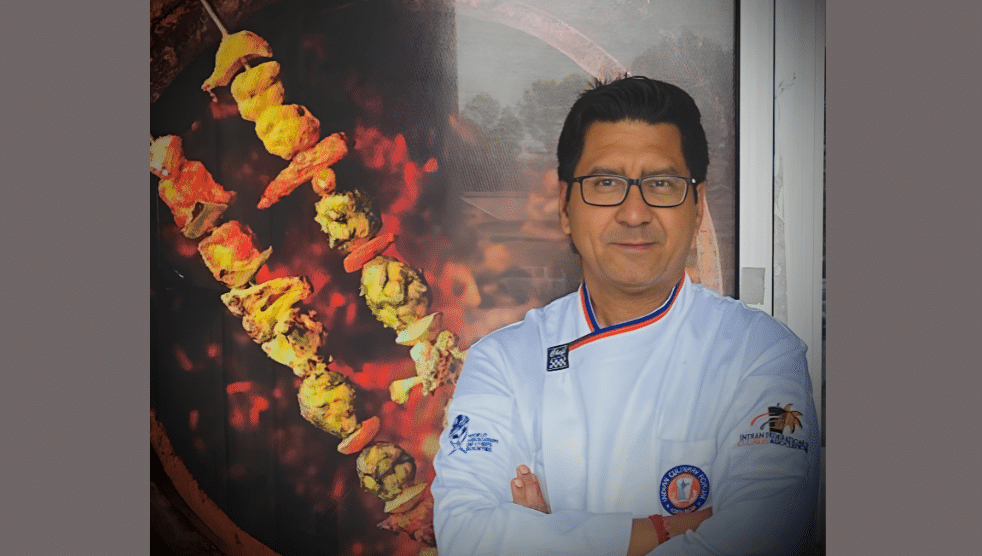
In the vibrant kitchens of India, a quiet revolution is simmering—fueled not by trends or technologies alone, but by the enduring power of mentorship. Behind every perfectly plated dish and every rising culinary talent is often a guiding hand, someone who sees beyond technique and recipes, nurturing raw passion into refined mastery.
The story of how one culinary expert is reshaping the future of Indian gastronomy lies in the fusion of three key ingredients: mentorship, mastery, and menus. These elements, when harmonized, are not only redefining what it means to be a chef in India today but also building a bridge between tradition and innovation.
The Art of Mentorship
In the fast-paced culinary world, where kitchens run on precision and pressure, mentorship might seem like a luxury. But for this culinary figure, it is the foundation of growth. With years of experience carved in some of the most intense kitchens and diverse culinary setups, the mentor has turned the spotlight away from self and toward the next generation.
Their philosophy is simple yet profound: greatness is not achieved in isolation. Instead of hoarding knowledge, they believe in sharing it—demystifying techniques, encouraging experimentation, and more importantly, teaching young cooks how to think like leaders, not just workers.
Mentorship here is not a one-size-fits-all lecture. It’s a dynamic, responsive exchange where young aspirants are taught how to navigate the emotional, physical, and creative demands of the culinary arts. From instilling discipline and resilience to fostering confidence and curiosity, this guidance extends far beyond the cutting board.
Pursuit of Mastery
The culinary path is often romanticized, but true mastery demands more than flair. It calls for an intimate understanding of ingredients, traditions, techniques, and the ever-evolving expectations of diners. The chef in question exemplifies this journey, constantly refining skills and knowledge, and inspiring others to do the same.
For mentees, this means being held to high standards—but not through criticism, rather through expectation and example. Each dish is a lesson, each mistake an opportunity. Whether it’s the perfect texture of a handcrafted bread or the delicate balance in a regional curry, the pursuit is always for excellence, never mediocrity.
This dedication to detail has led many young cooks under their wing to not just meet industry standards but to raise them. They are encouraged to study not just food, but its history, its science, and its cultural relevance—elevating their craft from a job to a lifelong pursuit of excellence.
Menus as Narratives
While mentorship and mastery build the backbone, the third ingredient—menus—brings vision to the plate. Menus, in this context, are not just listings of dishes. They are narratives that reflect identity, heritage, and intention. And under this mentor’s guidance, emerging chefs learn how to express themselves through food.
Instead of mimicking global styles or chasing fleeting trends, they are taught to embrace their roots—reinterpreting local ingredients, reviving forgotten techniques, and celebrating regional diversity. The result is a wave of menus that are personal yet universal, bold yet respectful.
These menus challenge conventions, mix nostalgia with novelty, and most importantly, connect with people. From farm-to-table principles to mindful sustainability, every dish speaks of values, choices, and a deep understanding of context. It’s through these curated experiences that young chefs find their voice—and are encouraged to use it.
Creating a Culinary Legacy
More than accolades or awards, what defines this chef’s legacy is the growing community of culinary professionals who carry forward their values. Many former students now lead their own kitchens, start independent ventures, or teach others—spreading the same spirit of generosity, excellence, and purpose.
This ripple effect is shaping the future of Indian gastronomy in a way few trends can. It’s making the industry more inclusive, resilient, and culturally anchored. It’s also inspiring a shift in how culinary success is measured—not just in fame or financial gains, but in how many lives are touched and transformed through the shared love of food.
In a country where food is both sacred and social, this approach is timely and transformative. By focusing on mentorship, pursuing mastery, and treating menus as mediums of expression, this culinary mentor is doing more than training chefs—they are nurturing storytellers, leaders, and guardians of India’s rich food heritage.
As the next generation rises, the legacy they inherit is not just technique or tradition, but a way of thinking. A belief that kitchens can be classrooms, meals can be messages, and food, ultimately, can be a force for good.