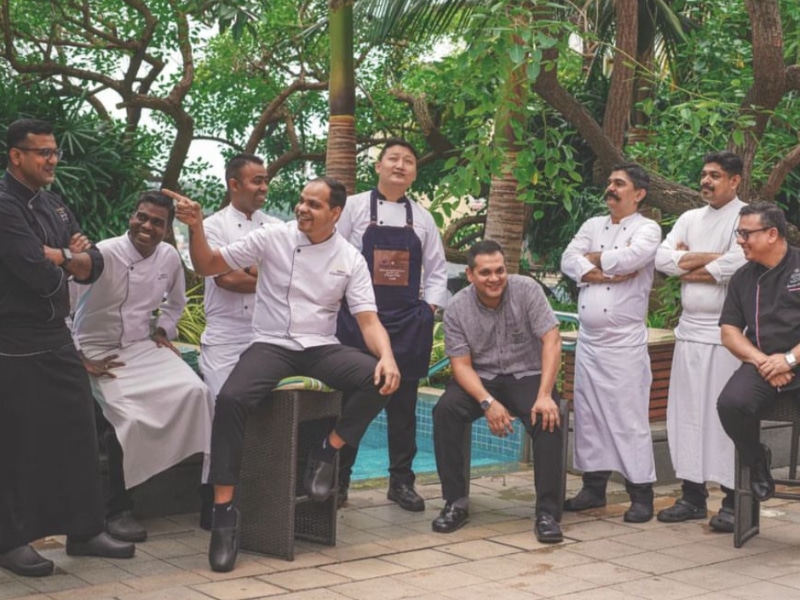

The hospitality industry has always been a reflection of cultural exchange, with food serving as the universal language that transcends borders. This dynamic relationship between global cuisine and hospitality is more pronounced than ever now. The culinary landscape is evolving rapidly, influenced by diverse cultural flavours, innovative techniques, and an increasingly adventurous consumer base. As globalisation continues to influence food trends, the hospitality industry is witnessing a renaissance where the fusion of global flavours is not just a trend but a fundamental shift in how we experience food.
The rise of fusion cuisine
Fusion cuisine, once seen as a niche offering, has now become a staple in many high-end restaurants and even casual dining establishments. The blending of flavours from different cultures creates unique dining experiences that appeal to a wide range of palates. Chefs are pushing the boundaries by combining ingredients and techniques from multiple culinary traditions to create dishes that are both familiar and novel.
For instance, the blending of Japanese and Peruvian flavours, known as Nikkei cuisine, has gained widespread popularity. This fusion combines the delicate techniques of Japanese cooking with the bold, spicy flavours of Peru, resulting in dishes that are visually stunning and rich in flavour. Similarly, the fusion of Middle Eastern spices with traditional French cooking techniques has given rise to a new genre of Haute cuisine that is both exotic and refined.
The influence of technology
Technology is playing a significant role in the way global cuisine is being integrated into the hospitality industry. From AI-driven recipe development to advanced cooking techniques like molecular gastronomy, technology is enabling chefs to experiment with new flavours and presentations that were previously unimaginable. Virtual reality (VR) dining experiences are also gaining traction, allowing guests to be transported to different parts of the world through immersive culinary experiences.
Sustainability and ethical eating
As consumers become more conscious of the environmental and ethical implications of their food choices, sustainability is becoming a key focus in the hospitality industry. There is a growing emphasis on sourcing ingredients locally and seasonally, reducing food waste, and offering plant-based or alternative protein options. This trend is not limited to Western markets; it is gaining momentum globally as more people recognise the importance of sustainable eating.
For example, the rise of plant-based alternatives has led to the creation of dishes that mimic traditional meat-based dishes but are entirely vegetarian or vegan. In India, chefs are reimagining classic curries and street foods using plant-based ingredients, while in Mexico, traditional dishes like tacos and tamales are being reinvented with alternative proteins. These innovations are not only catering to the growing number of vegetarians and vegans but also appealing to meat-eaters who are looking to reduce their environmental impact.
The globalisation of comfort food
While fine dining experiences are often the focus of global cuisine discussions, comfort food from different cultures is also making significant inroads into the hospitality industry. There is a noticeable trend of incorporating global comfort foods into mainstream menus, allowing diners to experience the warmth and familiarity of home-cooked meals from around the world.
Dishes like Korean bibimbap, Italian risotto, and Moroccan tagine are being embraced by chefs and diners alike for their hearty, comforting qualities. These dishes are often prepared with a modern twist, using locally sourced ingredients or innovative cooking techniques. The globalisation of comfort food is also evident in the rise of street food-inspired dishes in upscale dining settings. Chefs are elevating humble street food by incorporating gourmet ingredients and artistic presentation, creating a unique fusion of high and low cuisine.
The role of cultural exchange
Cultural exchange remains at the heart of the global cuisine movement. More and more chefs and restaurateurs are travelling abroad to learn about different culinary traditions and bring those experiences back to their kitchens. This exchange of knowledge and techniques is fostering a deeper understanding and appreciation of global cuisines.
Pop-up restaurants and chef collaborations are also becoming more common, allowing diners to experience the flavours of different cultures without leaving their city. These events often feature guest chefs from around the world who showcase their native cuisines, providing a platform for cultural exchange and culinary innovation.
The culinary industry is a testament to the power of food as a unifying force. Global cuisine is no longer just about exotic flavours; it represents a broader movement towards inclusivity, sustainability, and cultural appreciation. As chefs continue to explore and experiment with global flavours, the dining experience is becoming richer and more diverse.