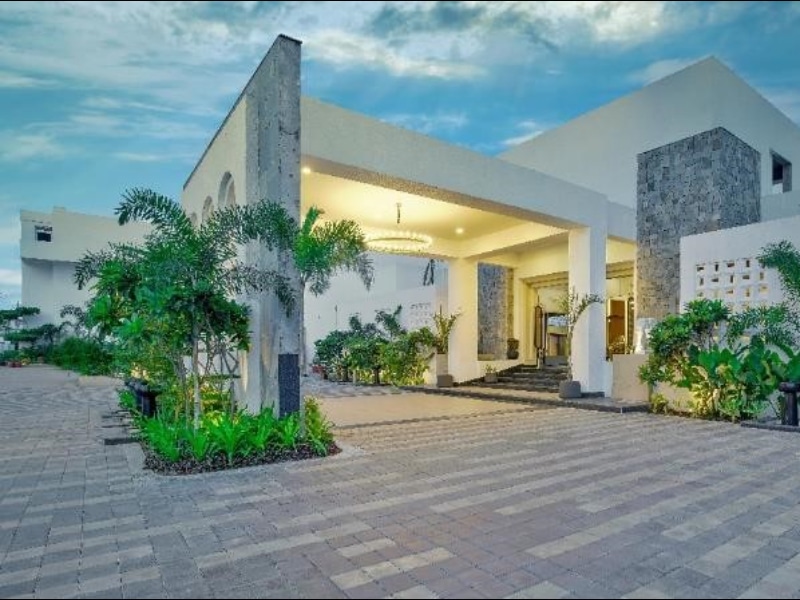


The hospitality industry has taken the mantle of going green by adopting a slew of measures to impact the environment positively.
Eco Sensitivity
Hoteliers and designers are using a ‘three-zero-concept’ approach: using local construction materials and skills (zero kilometres); prioritising energy management and lower emissions (zero carbon dioxide); and introducing life-cycle management into the building process (zero waste).

The Den Hotel, Bengaluru, part of Dan Hotels Israel, a LEED Gold-certified hotel, is a zero-discharge unit. “We as a team ensure that every drop of water is utilised and all wet waste is recycled. We focus on systematic elimination and minimal usage of non-biodegradable materials, which goes beyond plastic; this includes inorganic and e-waste. We firmly believe in 3R’s (Reduce, Reuse, Recycle). We ensure that we adapt to the latest technology to reduce our carbon footprint and aim toward carbon neutrality in years to come. We regularly monitor and reduce wastage, be it natural resources, energy, or food,” says Vinesh Gupta, GM, The Den, Bengaluru. Likewise, Shangri-La Bengaluru is committed to addressing the impact of climate change in its operations. The renewable solar power plant supplies 90% of the hotel’s electricity consumption. Fluorescent and halogen bulbs are replaced with LED lights to conserve energy. Electricity is saved by installing timers for lights, kitchen exhaust and air conditioning. “At Shangri-La Bengaluru, we strongly believe upholding the value of sustainability amongst colleagues is crucial. Hence, Shangri-La Academy hosts programmes that cater to driving the purpose through courses such as ‘Engineering Sustainability and Cost Management’, which give a glimpse of how one can contribute to sustainability and take positive actions. Imparting knowledge on the same provides the colleague with a comprehensive understanding of energy and cost-reducing steps and to practice waste management concerns arising from each department,” says Rakesh Sethi, GM, Shangri-La Bengaluru.

Design Interventions

There are several ways to design a more resilient hotel with architectural adjustments and electrical, mechanical, and plumbing systems. Amardeep Gulri, founder & principal designer, Deco-Arte, says, “By choosing sites that allow for more north/south room orientation, reduces nearly half of the solar gain. Adding south-facing balconies can further reduce heat levels while simultaneously functioning as a guest amenity. Where balconies are not desirable, a deeper-set window can achieve similar results. We help hotels to save energy by installing occupancy sensors for lighting control and electronic devices that turn of when not in use and limit the use of heating and cooling systems.”

Minnie Bhatt, the founder of Minnie Bhatt Design, adds, “using elements like rammed earth, natural stone and natural lime plaster, especially terrazzo as part of the material palette for the design of the space. Lots of plants should be an integral part of the aesthetic. Also, woven cane or rattan can be used in furniture or wall panelling.” Post the COVID-19 pandemic, there’s been a considerable shift in rethinking hospitality design with respect to the users’ health and well-being, thereby focusing more on holistic wellness. “Climatically relevant models, including passive solar designs to minimise energy dependence and enhance efficient use of water and conscious water features to support suitable micro-climate, are fundamental as a starting point. Furthermore, we engage with all the stakeholders to brainstorm how any hotel project enhances its effects on the surrounding neighbourhoods and can positively impact the local communities by making them feel a part of any development,” says Mitu Mathur, Director, GPM Architects and Planners.

Making a difference
Sustainability is holistic and spans aspects like organic food, zero food wastage, energy efficiency, water conservation, sewage treatment, no plastics, etc. Anirban Simlai, GM, The Park Hyderabad (Gold-level certification by the U.S. GREEN BUILDING COUNCIL by the Green Building Certification Institute), says, “We continuously strive to reduce our carbon footprint Footprint by use of Natural gas instead of diesel for boiler operations by conversion from HSD to LPG. We use VF Drive (variable frequency) to reduce electricity consumption and implement solar energy. We use high-efficiency glass (DGU), which reduces Thermal Heat and provides daylight with clear outside vision. We have implemented a rainwater harvesting system, a dual plumbing system that recycles water in toilet flushing, water-saving aerators, and greywater reuse for toilet flushing, gardening, and cooling towers. Our organic waste compost machine reduces the need for commercial soil conditioners and fertilisers.”

Food Files
A sustainable food system is another initiative which brings us one step closer to a greener tomorrow. A sustainable food system is a collaborative network that integrates several components to enhance the community’s environmental, economic, and social well-being. Conard also has implemented a zero-wastage policy in which ingredients are used to their full potential. For example, after filleting salmon, they use the trimmings to make a mousse and use its skin for garnish. The Park Hyderabad has introduced a plant-based menu to support local farmers and has shifted to more sustainably sourced and healthier cuisine that offers travellers a unique opportunity to experience a greater connection to the location they are visiting.
Energy Efficiency
Given the fact that Heating, ventilation, and air conditioning (HVAC) systems are the biggest energy guzzlers in hospitality, it is important that these are eco-friendly too. Requirement of fresh air has always been in demand and in the current scenario, indoor air quality maintenance has become an important factor to be kept in mind. The hospitality industry is a sector that sees a steady influx of clients from all walks of life, providing

services to a diverse range of people daily. The ability to maintain healthy and hygienic premises for the clients is one of the most important components of hospitality, and air quality inside and outside the premises is important to be considered. Air pollution is a serious health hazard in India with a rapid rise in PM 2.5 and other air pollutants in various cities of the country. Mitsubishi Electric has introduced Plasma Quad Filters which can reduce the spread of different kinds of viruses and can filter the particles which are bigger in size than PM2.5. These filters can be retrofitted to the existing Mitsubishi Electric-products without causing any damage to the existing interior layouts.

Naohiko Hosokawa, director & business unit head, Living Environment Division, Mitsubishi Electric India, says, “HVAC systems are driving focus towards the green building to reduce the energy consumption levels and simultaneously maintain comfortable interior conditions, to bring out healthy and productive outcomes for the end user. If we talk about any establishment, HVAC systems diversely affect the green building concept as the maximum percentage of the energy used in a building depends on the performance of an HVAC system. Mitsubishi Electric is very conscious about the environmental impacts and the green company is eager to take responsibilities related to the environment. It offers diverse Green Building HVAC products and technologies like VRF-Air conditioning Systems (CITY MULTI), Kirigamine Zen (MSZ-EF series) Air- Conditioners with Heat-pump and Inverter Technology and very high EER, heat pump for round the year usage, MSH GE Series- Split Type Air conditioners with Heat pump, Packaged Air conditioners (Mr. Slim)- Ceiling Cassette units with auto Updown grill with i- see sensor technology.”

Holistic View
For instance, the zero-waste brunch at JW Marriott Mumbai Juhu involves using every aspect of an ingredient to ensure there’s no (or minimal) food wastage. The property has introduced 13 zero-waste food dishes and six beverages at the most-sought after Sunday brunch at Lotus Café. This initiative has resulted in a 15% month-on-month reduction in food wastage. ‘No Bin Saturday’ has been introduced at the associate cafeteria since 2021, which leads to zero wastage of food. On the other days, it is ensured that the food waste is segregated efficiently into wet waste and dry waste. Nikita Ramchandani, General Manager, JW Marriott Mumbai Juhu, says, “Our sustainability efforts have a very 360-degree approach, and we endeavour to integrate them into our entire hotel operations. So, across the board and in various disciplines, these are some things that we have initiated and are in the process for the near future. To summarise, a big part of our sustainability efforts lies in carbon footprint, in terms of heat, light and power. We are committed to using clean energy as a hotel: we buy wind power – 30% to 40% of the energy that we utilise at the hotel comes from wind energy. This has been fairly successful for the hotel. Solar power is also a big endeavour for us. Today, all our periphery lights are solar-powered, so they get energy during the day and power up in the evenings post-sunset. As a hotel, we are also in the process of installing solar panels on the terrace of the hotel.”

Involving guests
Guests are important stakeholders that can contribute to and support sustainable initiatives at hotels. Under the umbrella of Hilton’s campaign “Great Small Breaks”, a one-of-a-kind staycation offer, young guests are given recyclable goodie bags with eco-friendly stationery kits like seed paper diaries, pencils, and bookmarks to rekindle memories of their stay. Rajan Malhotra, Commercial Director, Conrad Bengaluru, says, “the housekeeping team at Conrad Bengaluru have also made significant contributions to help guests be a part of sustainability during their stay at the property. Some of the initiatives are the GRMS guest room management system, where the AC system is on energy-saving mode until the guests enter the room. A few other steps towards this cause would be encouraging guests to use digital keys, rather than using plastic keys and introducing the practice of mindful littering, where guests are encouraged to dispose of clay seed balls, which when disposed turns into a bio-degradable waste and grows into a sapling.”

Certification cues
One of the critical aspects of sustainability comes from certification from Leadership in Energy and Environmental Design (LEED), a green building rating system and U.S. Green Building Council (USGBC), which promotes sustainability in building design, construction, and operation. Embodying the ethos of ‘Responsible Luxury’, ITC Hotels, the world’s largest chain of hotels with the maximum number of LEED Platinum-certified properties has been accorded yet another distinction by the USGBC (United States Green Building Council), with three properties ITC Windsor, Bengaluru, ITC Grand Chola, Chennai and ITC Gardenia, Bengaluru, having also achieved LEED Zero carbon certification making it the first three Hotels in the world to receive this recognition. The Welcomhotel Guntur, launched recently, is Andhra Pradesh’s first LEED platinum-certified hotel. ITC Sonar is the first hotel in the world to receive carbon credits from UNFCCC. Anil Chadha, Divisional Chief Executive, ITC Hotels, explains, “We strongly believe that any effort to save the planet ultimately equals saving ourselves. Innovative LEED net-zero projects align with India’s vision of significantly cutting emissions and are a critical driving force behind the transformation of buildings, cities, and communities to continue to sustain future generations.” Sustainability is the way forward, and hotels are certainly doing their bit for the planet.