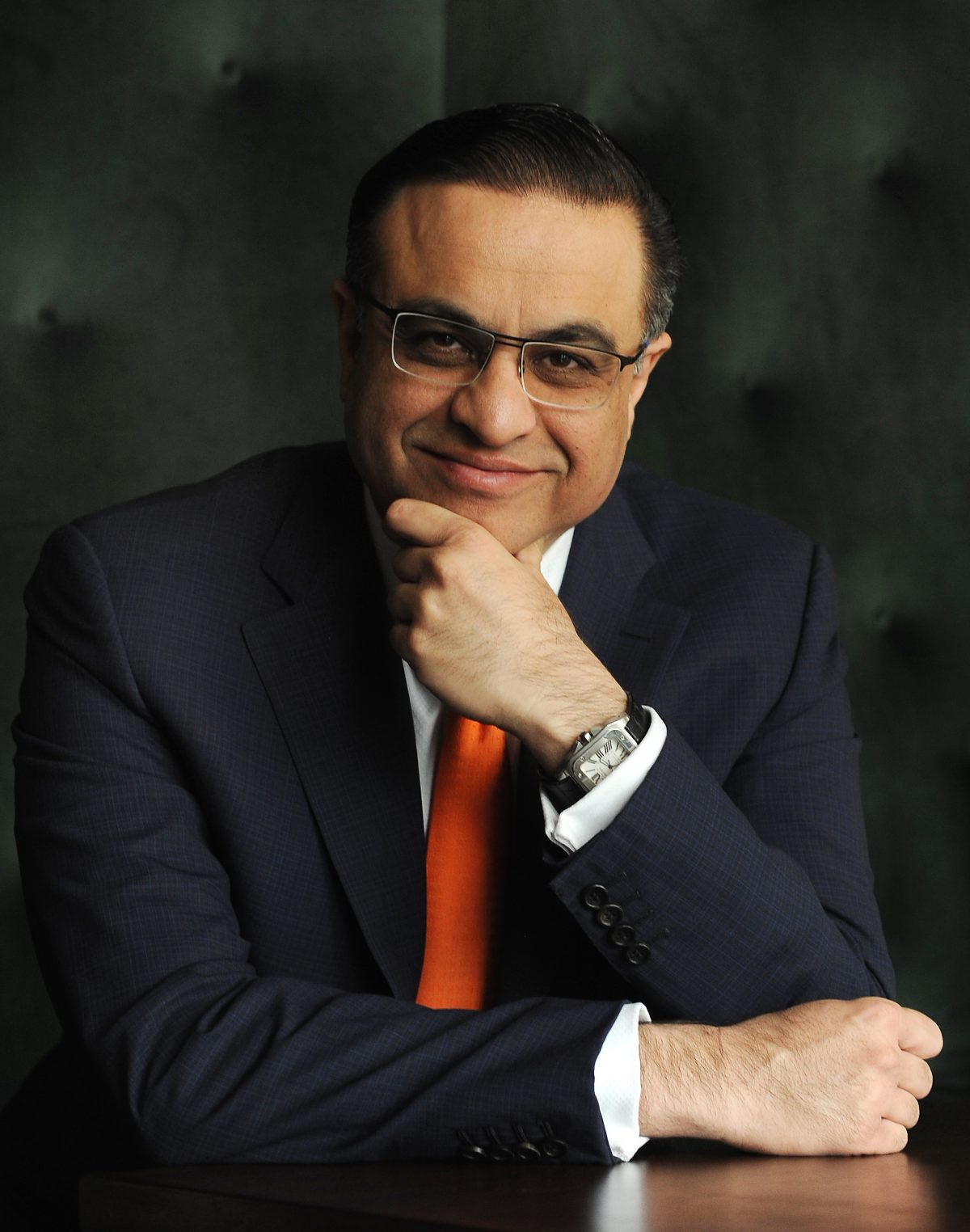
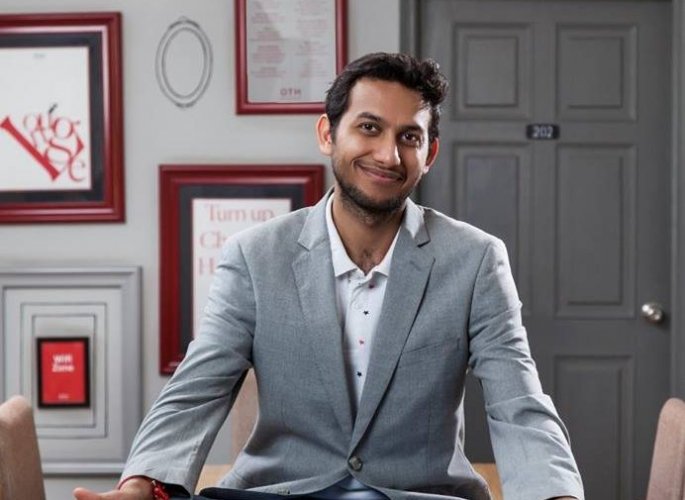
Ashish Jakhanwala
Room rates were stagnating, return on capital was dismal and there was no pricing discipline. So, we did have problems even before COVID-19


Ashish Jakhanwala, MD and CEO, SAMHI Hotels would like to believe that the worst of the pandemic is behind us. After all, his company touched almost 50% occupancy across its portfolio of 27 hotels with 4,500 keys this August. 11 properties even touched 65% of pre-COVID revenues, which is a positive sign.
According to him, the pandemic had a transformational impact on the hospitality industry – no one knew how to deal with this global phenomenon or could predict how long it would last. However, Jakhanwala is proud that SAMHI chose an equable approach to the situation, rather than reacting to fear or frustration. “We did not have mass-scale retrenchment or shut down a hotel,” he asserted.
Of course, growth opportunities were stalled, as the company astutely decided to preserve its capital to meet future contingencies emerging from pandemic-related situations. This included postponing its plans to raise around INR 2,000 crore through an IPO slated for 2020.
Jakhanwala explained, “Often, facing pressure from their shareholders, a public company may resort to more punitive cost savings to display a profit. As a private entity, we ensured that we treated our associates fairly and their motivation will be the principal driving point for recovery.” He would rather evaluate the IPO this year-end, when he is more confident about promising better business outcome to investors.
HOLDING ON
SAMHI Hotels had plans to fortify its portfolio in 2020 by opening a Holiday Inn Express, Kolkata and expanding its room inventory in Hyatt Regency Pune, Holiday Inn Express Bangalore and Fairfield by Marriott Sriperumbudur besides renovating Four Points by Sheraton Ahmedabad. While these are on hold, the company is keeping its plans ready so it can immediately execute the projects when the tide hopefully turns in 2022.
Fortunately, SAMHI has deep-rooted affiliations with its three operators – Marriott International, Hyatt Hotels and Intercontinental Hotels Group. “I believe the true test of any partnership is in bad times than in good, and we worked seamlessly with these three to deal with the current situation,” he stated. Moreover, he lauded the regional teams of these companies for doing all the heavy lifting when it came to course correction.
UNLEARN, RELEARN, REPEAT
The industry learned some tough lessons about economic sustainability last year. On revenue, it was the need to broaden the market segmentation to tap more customers, rather than rely on the RFP clients, especially for hotels in urban locations.
Jakhanwala pointed out that finding the right pricing was one of the biggest challenges for this heavily-discounted sector. “Room rates were stagnating, return on capital was dismal and there was no pricing discipline. So, we did have problems even before COVID- 19,” he pointed out.
Realising that the industry was over-capitalised, SAMHI reoriented its strategies to upend this status quo. “We need to relook at our room to staff ratios and have multi-skilled talent. I hope that we come out much stronger post-COVID because we finally got our house in order,” Jakhanwala concluded.