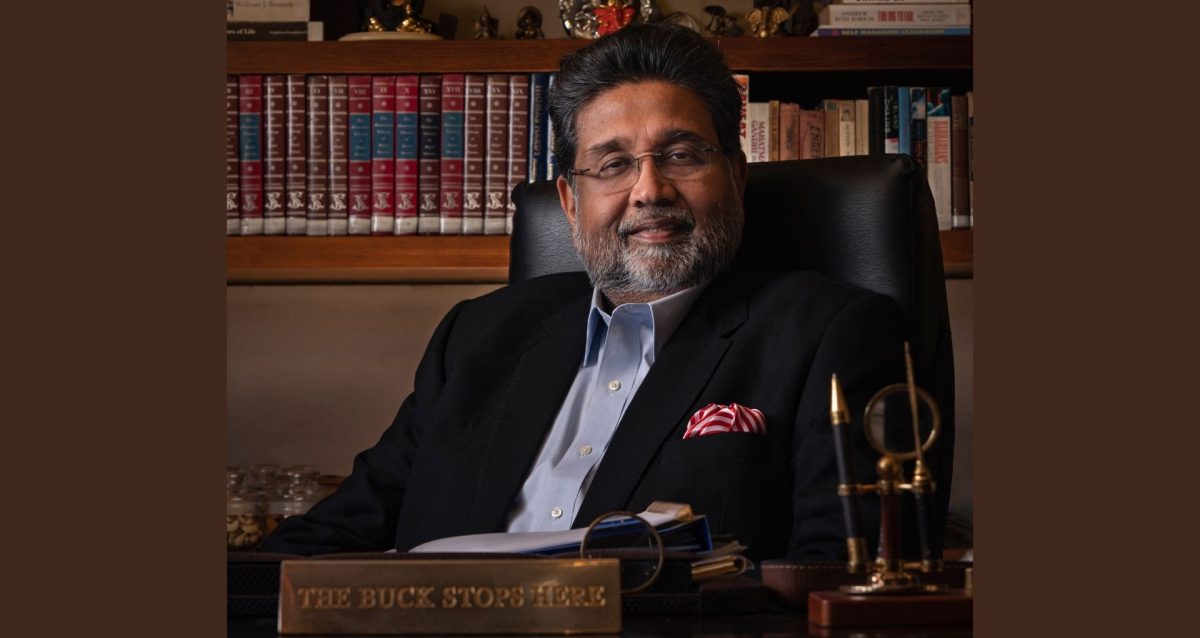
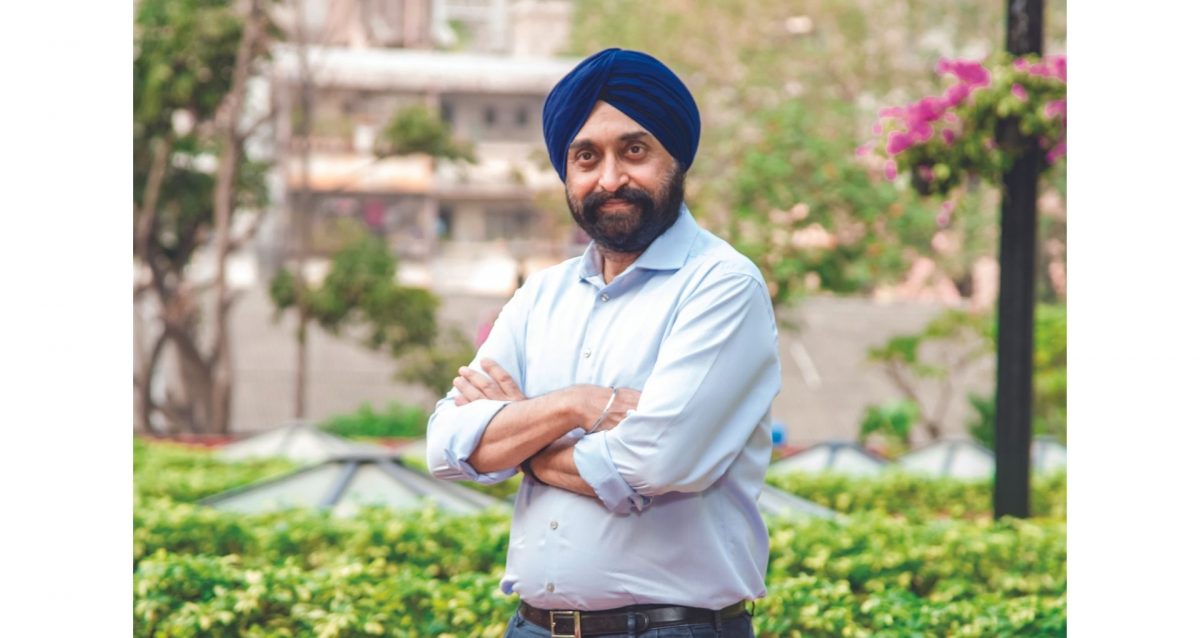
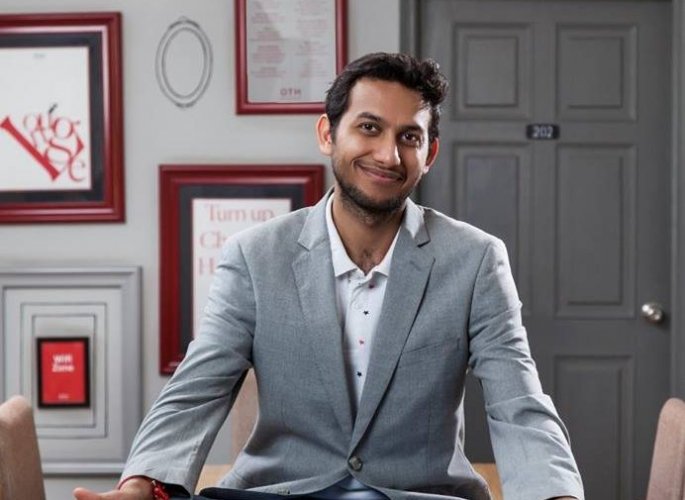
Ranjit Batra
The recovery phase will very much depend on the agility of hotel teams to create maximum value for guests coupled with their ability to manage resources innovatively


Pune-based Panchshil has always been synonymous with uber-luxury hotels, working closely with brands like Marriott International, Hilton Hotels and Resorts and Oakwood. When it started out in 2004, the company was clear about its goal for this sector – it would focus on metros with a strong corporate
presence, where demand was bound to be high. This strategy has worked out well for the real estate major, which has over six upscale properties in India.
From day one, each of its hotels was profitable, till the pandemic struck. The lockdown brought business to a standstill, contracting the economy. Occupancies nosedived as corporate travel trickled down. Talking about this candidly, Ranjit Batra, President-Hospitality, Panchshil Realty said, “Of course, our hotels were affected just like the rest of the industry. However, we managed to financially steer the ship through rough waters towards safer shores, both for our assets and employees.”
SURVIVE, THEN REVIVE
The industry is currently in a survival mode with many players outlining strategies to revive. While sustaining itself, Panchshil Realty did its best to ensure job security for its workforce and safeguard its hospitality assets, which will give it a better shot at business recovery.
“As owners, our primary focus was to keep our hotels afloat and take care of our associates. We financially and morally supported our staff to fight this crisis. Panchshil Foundation successfully vaccinated all employees and their families across all levels, which boosted team confidence,” Batra added.
In an environment of dramatically lowered revenues, high fixed costs, lesser than optimal asset returns, and the need to conserve capital, Panchshil Realty began identifying areas to prioritise and invest in. Believing that flexibility is critical, Batra explained that the company swiftly and seamlessly adapted to societal changes by upgrading its cleaning practices and digitising payment processes and documents to ensure the safety and comfort of its guests.
With long-distance travel, conventions, trade shows, and other corporate events unlikely to return to any appreciable extent for at least another year, it focused on local and domestic travel markets. The hotel owner also trained its sights on city dwellers within a day’s drive seeking a close-to-home respite from the lockdown.
“The recovery phase will very much depend on the agility of hotel teams to create maximum value for guests coupled with their ability to manage resources innovatively,” he opined.
RECOVERY ON THE CARDS
Batra is confident that the economy will recover and the hospitality sector—from restaurants to hotels—will regain its footing. Companies that were nimble in adapting to the new normal will be better positioned to thrive in the years ahead.
According to Batra, a situation of unprecedented instability is generally a good occasion to execute exceptional measures as well as seek newer opportunities in the hotel and tourism industry. “Understanding how customer behaviour has evolved and responding effectively to these changes will be critical in enabling businesses to recover in the post-pandemic economy,” he pointed out. “Our hotels reimagined the guest experience and took deliberate action to build and maintain their trust.”
Since its inception, Panchshil Realty has aimed to open one property every year and its last project was Ritz Carlton Pune in October 2019. Its pipeline for 2022 includes The Amari Project in Maldives in collaboration with Onyx Hospitality. Going forward, it will concentrate on acquiring brownfield assets.