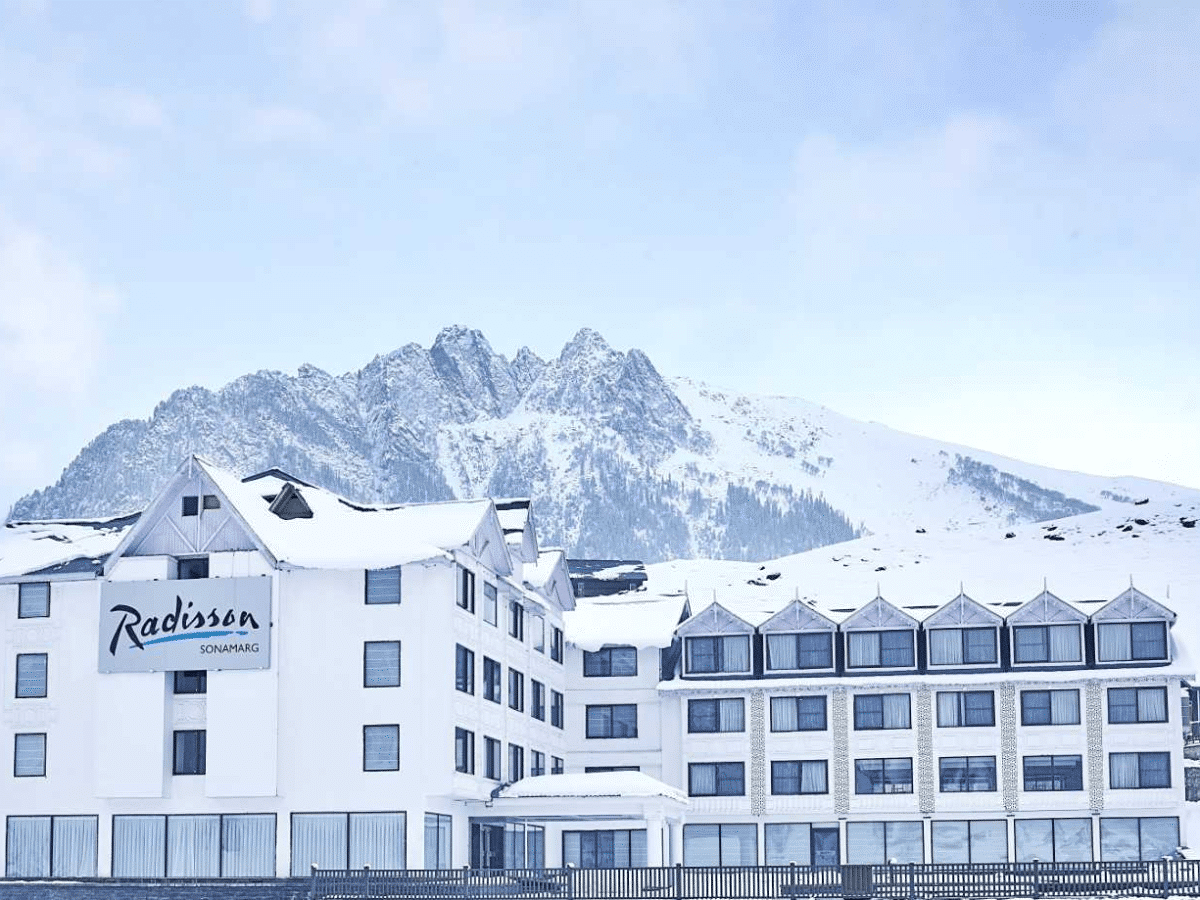

Kashmir, known as “Paradise on Earth,” has always been an important tourist destination and a golden commodity for the Indian subcontinent’s economy. The hospitality and travel industry in Kashmir is highly susceptible to political threats and seasonality, as evidenced by the recent attacks in Kashmiri Pahalgam.
This incidentled to massive travel cancellations, leaving concerns for hotels, tour operators, and allied business sectors on everything from weathering the immediate aftershocks to projecting how the economic outlook will affect the region.
This article studies the financial consequences of public travel cancellations, compounded by seasonal fluctuations, the hospitality industry’s challenges, and some of the strategies that the Kashmir tourism sector could use in seeking to rebuild consumer confidence in the Kashmiri tourism economy.
1. The Current Landscape: A Setback at a Critical Time
According to reports, the recent attack in Pahalgam has resulted in an estimated 50-60% decline in travel bookings for the coming months. Hotel operators, who were preparing for a season full of guests, now see empty rooms and cancellation emails.
Beyond the immediate financial implications, the brand “Kashmir” has taken a hit, and subsequent recovery will be more difficult. It has been reported that new hotel openings, originally meant for May and June, are being postponed as investor confidence wanes.
2. The Revenue Fallout: Quantifying the Economic Impact
Booking Cancellations and Revenue Losses
Initial estimates show that Kashmir’s tourism industry stands to lose between INR 200 – 300 crore this peak season due to mass cancellations. Mid-sized hotels, boutique resorts, homestay operators, and other small tourism sectors are especially vulnerable because their margins are fairly thin.
This cascading disruption extends beyond hotels to other allied sectors like travel agencies, transport operators, and local artisans, all of whom rely heavily on tourism activity to generate revenue during the summer season.
Seasonal disruption: A Peak season Setback
April to May is the beginning of the summer tourist season in Kashmir, the most popular time for domestic and international travelers to visit the region. A recent report from the Kashmir Tourism Department (April 2025) shows that during those two months, close to 45% of the annual revenue for many hotels, tour operators, and local businesses is generated.
The disruption has not only seen a decline in bookings, but has pulled down the busiest and most productive time of the year, making the financial hit even greater, and likely pushing back recovery timelines to the next peak cycle.
Investment and Infrastructure Setbacks
The impact isn’t just short-term. According to the report, a wave of hesitant investor sentiment has created delays in projects and assessments of their commitments moving forward. Luxury brands and boutique hotel operators who have recently entered this region are now uncertain about their returns and occupancy projections.
3. Navigating the Road to Recovery
Crisis Communication and Brand Rebuilding
The focus needs to commence at once to rebuild trust for both tourists and investors. All actors (government, tourism authorities, private stakeholders) need to deliver clear messages that highlight the safety and security upgrades made since any travel advisory mentioned the threat to “Brand Kashmir.” As one incident can damage “Brand Kashmir,” consistent and cohesive messaging will allow for the brand to be rebuilt over time.
Dynamic Pricing Strategies: A Key Lever
During periods of demand uncertainty, AI-driven pricing strategies become an important lever for survival and recovery. Dynamic pricing models that harness AI and real-time market updates allow hotels to achieve occupancy by optimising yield.
For example, those hotels that utilised dynamic pricing in the post-pandemic world recovered occupancy levels 15–20% more quickly than hotels that didn’t. Specialities and market conditions are factors already known, but to avoid over-correcting up and down, yield needs to be kept in mind even for cautious travel segments.
Alternative Market Focus
Stakeholders should widen their market audience by selling Kashmir as a safe, attractive destination for domestic travelers in particular niche markets and segments: adventure tourism, luxurious wellness retreats, cultural experiences, among others. By developing this niche tourism strategy, Kashmir will generate new revenue streams not as exposed to deterioration by international travel, geopolitical instability, and/or any world crises, making for a far more stable and broader tourism economy.
Conclusion
The latest disruption emphasizes the pressing need for the hospitality industry in Kashmir to develop substantial structural resilience beyond a reactive response and recovery model. Uncertainty will always be a feature of the landscape in which Kashmir’s hospitality sector operates; it is how businesses prepare for that uncertainty that counts.
By building risk reduction frameworks, mainstreaming proactive revenue management approaches, diversity in market focus, and enabling dynamic investment approaches, the hospitality sector can maintain its resiliency better, absorb shocks, and protect growth.
The footprint of the attack on Pahalgam still dominates the landscape today; though Kashmir has significant natural advantages, the recovery plan that emerges from it will depend on a carefully thought-out redevelopment strategy and reliance on data. Ultimately, the combination of these factors can facilitate the development of a more sustainable and potentially thriving future for its travel and hospitality market.