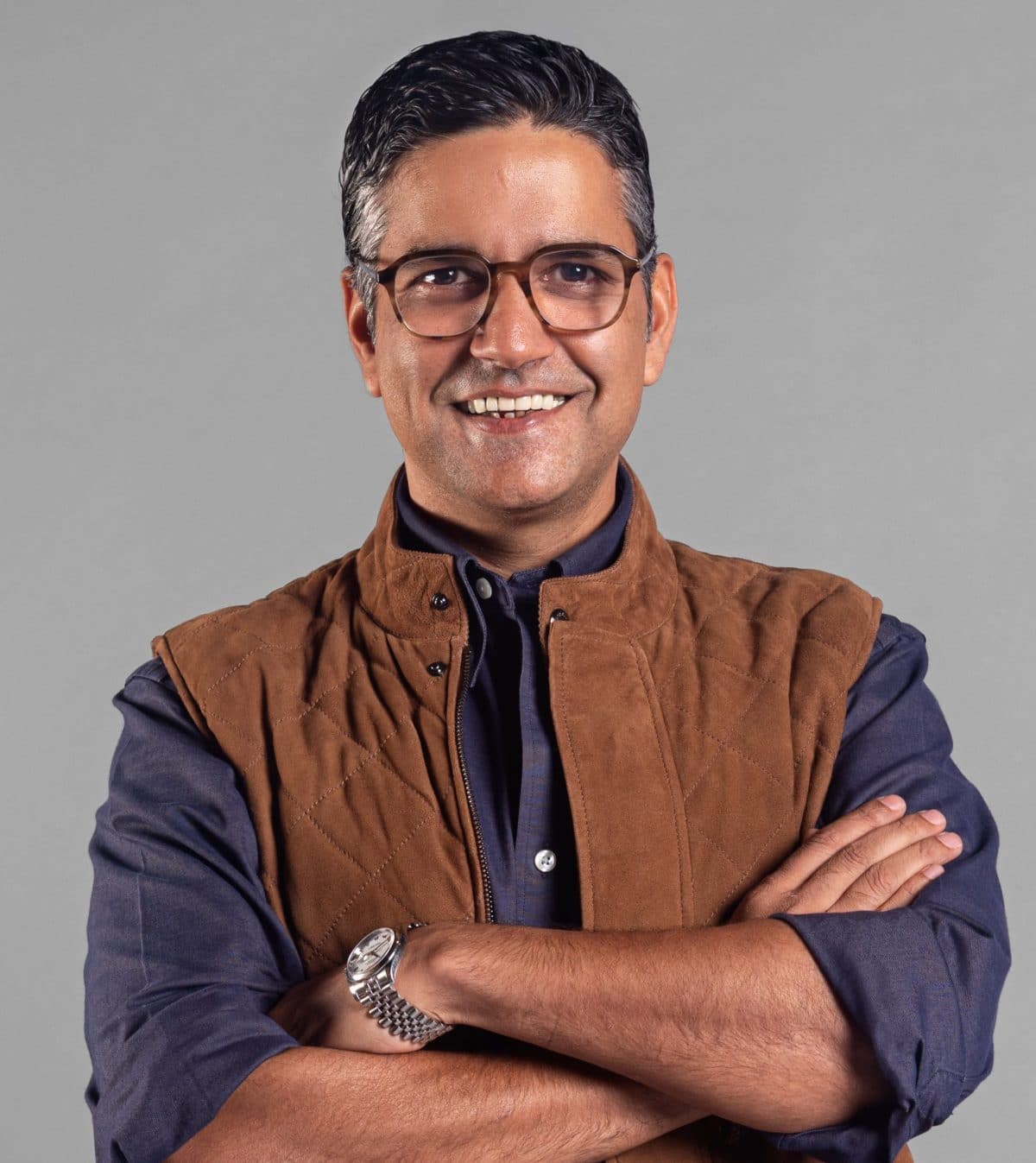
A successful banking professional, Vivek Narain’s plunge into hospitality was unforeseen. But his ability to create transformational spaces that go beyond the set-ups of traditional hotels, clubs and offices was what drove him to create The Quorum and district150. While The Quorum is a work and social lifestyle club, district150 is a hospitality powered meeting and events’ hub.
Narain explains why he decided to hotelise office buildings, the market for the same and more…
What exactly is the concept of ‘hotelisation of office buildings’ all about? And what triggered the idea of foraying into this segment?
Observing and tracking real-world trends helped us identify the need for a space and concept like district150, a lifestyle-focused, hospitality-powered, multipurpose meeting and events’ hub, designed to reimagine the future role of the office building.
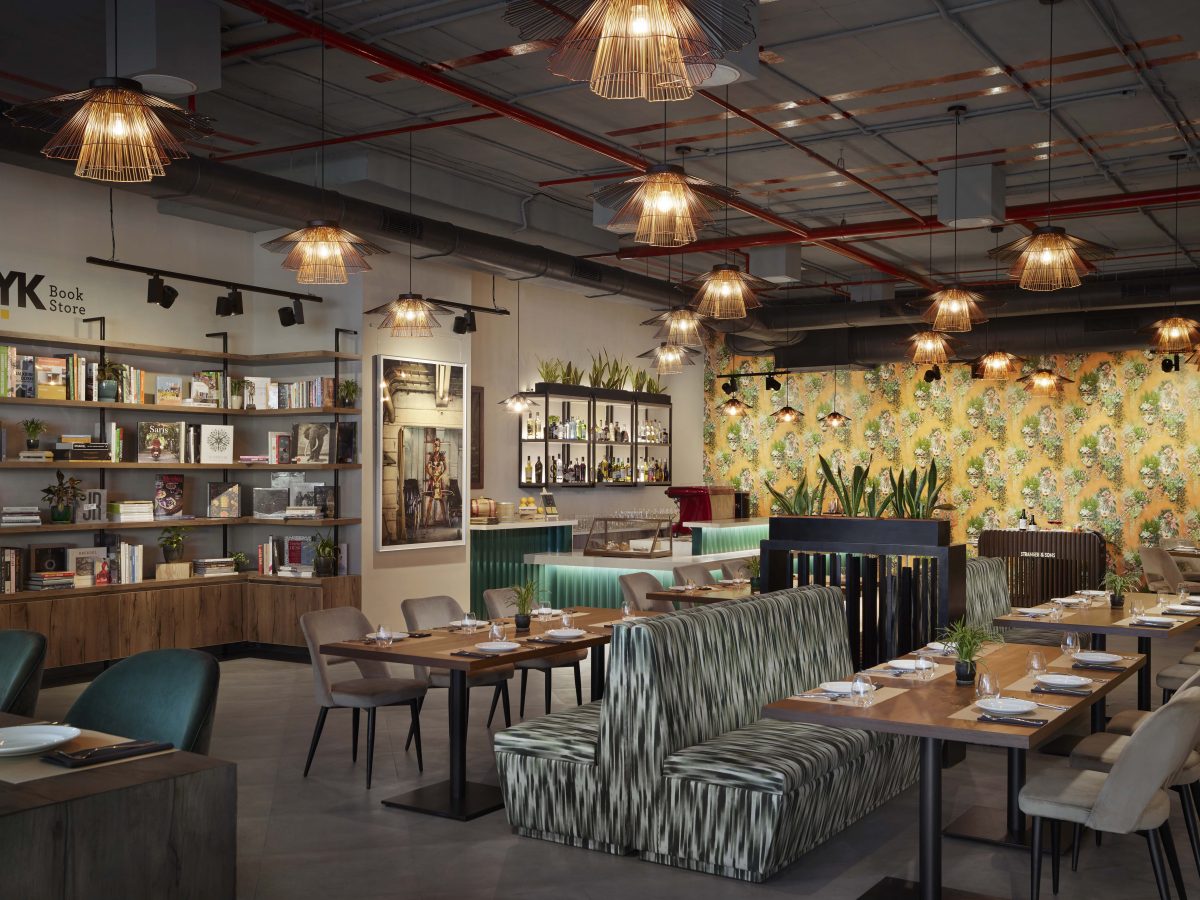
Fundamentally, district150 addresses the existing scarcity in premium meeting and event venues, offering a compelling solution to the supply-side constraint. Traditionally, hotels have been the primary provider of meeting and event spaces in India. Yet, with a significant surge in physical meetings and events and a subsequent demand for the infrastructure to accommodate them, there is a noticeable scarcity in hotel inventory. Considering the significant lead time required for the creation of new inventory (approximately five-six years), we recognise the immense potential within existing office buildings, purpose-built for large movements, to bridge this demand-supply gap. ‘Hotelisation of office building’ refers to the idea of building a hotel-type amenity inside commercial developments, which serves as an experiential venue for business, as well as, social and cultural meetings and events. district150 offers areas for head-down work, conferences, performances, social spaces, rooms for content creation — all integrated under one.
It is conceptualised to encourage a reset in the way we work and engage. There is now a higher emphasis on amenity-rich, experiential offerings in commercial buildings. The rise in the idea of ‘working from anywhere’ has decreased the need for fixed desk space in an office — a trend that has gained momentum globally. Workspaces are becoming less distinct from homes and hotels.
Was The Quorum Club also born out of the same idea? What sets it apart from its counterparts?
The Quorum and district150 are two different brands with entirely different value propositions. In addition to the fact that The Quorum is a members-only club that falls under the segment of club business, its primary focus is on building a community of like-minded individuals. district150, on the other hand, is an open-to-all meetings and events venue, meant to be hired by brands and individuals as per their requirements.

How and when was your first project in this segment planned? How did the execution and strategy fall into place?
district150’s first facility has been established in Hyderabad’s Knowledge City, a development by Sattva Group in partnership with Blackstone India Real Estate. While it has opened doors in November 2023, it had been on the design board since 2019. Before establishing district150, we ran The Quorum for five years. Both our clubs (Gurgaon and Mumbai) are located in grade-A commercial developments, which gave us a front row seat to the evolving role of the office building, where people sought spaces fostering culture and collaboration. A substantial size of The Quorum’s revenue came from a small part of the club — its banquet spaces — as companies needed a venue and hospitality expertise to host events for their clients and employees. We used our learnings from The Quorum to solidify district150’s model and offerings, and launched the brand in 2023.
Additionally, we do a lot of cultural programming at The Quorum to engage our members, which is excellently received by them. This shaped our thesis that office buildings can also double up as social and cultural hubs in the evenings and weekends. In line with this thesis, we have purposefully designed district150’s spaces to be transformative, doubling up as social and cultural infrastructure during non-work hours.
What kind of potential do you see for district150 in the market?
The potential of district150 is rooted in the increasing need for physical collaboration spaces and event venues that can adapt to contemporary requirements. Traditional venues have often struggled to innovate and meet differentiated needs. The aim with district150 is to address these limitations and challenges, and provide an infrastructural solution with a fresh approach to event planning and execution.
What is your vision for district150 in the next five years?
district150 is built for anyone and everyone looking to host meetings and events, corporate or social, across scales. We’re looking to have at least 8-10 district150 developments across major metropolitan cities in the next five years. Mumbai, NCR, Chennai, Kolkata and Pune are on our radar as of now, however, the opportunity is much larger.