The Federation of Hotel & Restaurant Associations of India (FHRAI), representing the hospitality industry across the country, has requested Smt Nirmala Sitharaman, Hon’ble Union Finance Minister and Chairperson of the GST Council, for the rationalisation of GST in the tourism and hospitality sector. The appeal seeks to position Indian tourism as a driver of economic growth while enhancing its global competitiveness in alignment with India’s Vision 2047.
Welcoming GST Reforms
FHRAI welcomed the landmark GST reforms announced by the Prime Minister on August 15, 2025, calling them a step towards strengthening India’s tax regime, simplifying compliance, and driving long-term growth.
Tourism contributes nearly 5% to India’s GDP and has the potential to double with the right policy support. It is among the largest employment generators, creating significant opportunities for youth and women. With its strong multiplier effect, every rupee invested in hospitality yields ₹3.5 in output, while one direct job generates 3.2 indirect jobs.
India vs Global Competitiveness
Despite this strong potential, India’s current GST structure makes the tourism sector less competitive compared to its Asian peers. Countries such as Thailand, Indonesia, Vietnam, Sri Lanka, Singapore, and Malaysia operate under lower tax regimes, ranging between 6 and 10 per cent, which helps them attract significantly larger tourist inflows. In contrast, India’s higher GST structure reduces affordability and weakens its appeal for international travellers.
FHRAI’s Recommendations
FHRAI has therefore emphasised the need for uniformity and simplicity in GST to make tourism services more accessible and globally competitive. It has recommended:
- A uniform GST rate of 5% with input tax credit across all hospitality and tourism services.
- Decoupling GST on food and beverage services from hotel room tariffs to eliminate inefficiencies and revenue losses.
- Regularising past GST payments on an “as is basis” to resolve demand notices from earlier ambiguities.
Unlocking Growth Potential
According to FHRAI, these measures will significantly improve the ease of doing business in the tourism and hospitality sector and will allow the industry to unlock its full potential. Rationalising GST would not only enhance competitiveness but also align India with global standards, thereby strengthening the country’s standing as a world-class tourism destination.
Industry Perspective
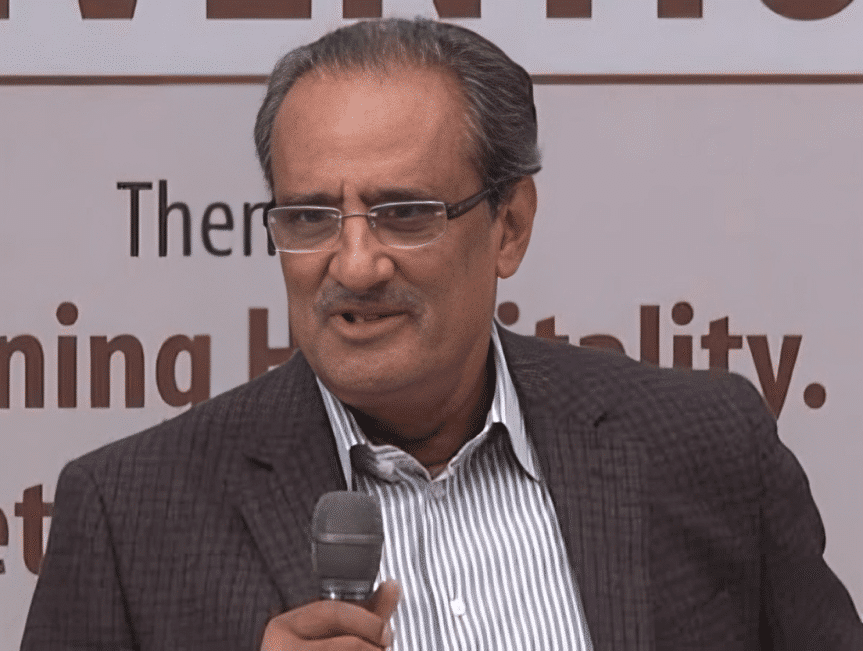
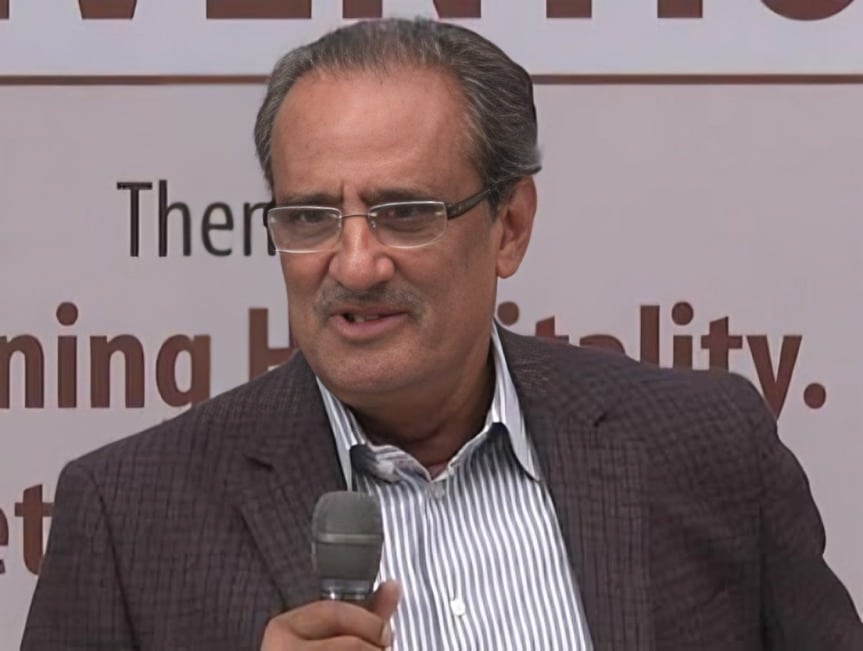
Commenting on the request, K. Syama Raju, President, FHRAI, said: “Tourism is not just about travel—it is a national growth engine with one of the highest multiplier effects in the economy. Rationalising GST is essential for making India globally competitive, affordable for travellers, and attractive for investors. With supportive policy measures, Indian tourism can double its contribution to GDP, create millions of jobs, and play a pivotal role in achieving the Government’s Vision 2047 of a developed India.”