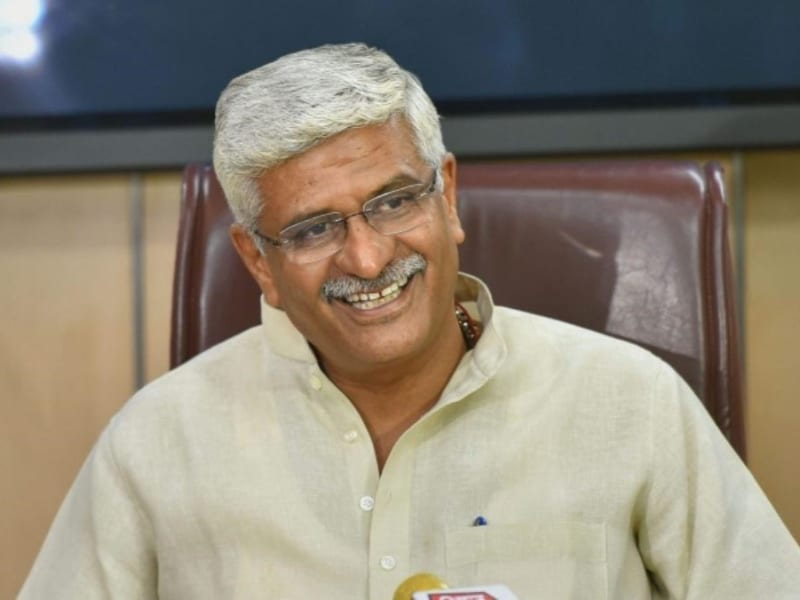

The Tourism Sustainability Summit 2025, organized by the Federation of Hotel & Restaurant Associations of India (FHRAI) in New Delhi, witnessed insightful discussions on the future of India’s tourism sector.
Hon’ble Union Tourism Minister Gajendra Singh Shekhawat, during his address, highlighted the immense growth potential of the sector, emphasizing its role as a key driver of India’s economic growth.
Key Insights from Minister Gajendra Singh Shekhawat’s Address
- Tourism as a Growth Engine
Shekhawat reiterated that tourism is set to be one of the largest contributors to India’s GDP in the coming years. He emphasized that, as the Indian economy grows rapidly, the tourism sector must expand at a parallel pace to keep up. - Climate Change and Industry Challenges
The Union Minister expressed concern over the threats posed by climate change to the tourism industry, stressing the need for immediate action to mitigate its effects, particularly as glaciers shrink and environmental conditions worsen. - Collaborative Responsibility
He called on tourism stakeholders to take collective responsibility for the sector’s future and work together to overcome the challenges, ensuring sustainable development.
Technological Innovation and Sustainability in Tourism
- Artificial Intelligence’s Role
Additional Secretary, Ministry of Tourism Shri Suman Billa highlighted how AI could contribute significantly to the growth of the tourism sector. With a large number of tourists using app-based applications, AI presents an opportunity to enhance tourism experiences. He also mentioned that India aspires to become the world’s third-largest tourism destination by 2047. - Sustainability and Cultural Preservation
Billa stressed the importance of ensuring that tourism contributes positively to India’s cultural heritage. He pointed out that the tourism industry must embrace sustainability to protect both the environment and the country’s diverse traditions.
State Contributions and Local Integration
- Madhya Pradesh‘s Tourism Initiatives
Sheo Shankar Shukla, Principal Secretary, Ministry of Tourism, Madhya Pradesh, showcased the state’s rich tourism offerings, including UNESCO-approved sites, national parks, and spiritual destinations like Ujjain and Omkareshwar. He emphasized the state’s growing rural and tribal tourism initiatives, with homestay options and cruise tourism aimed at diversifying tourist footfalls. - Focus on Local Communities
Billa also spoke on the need to integrate local communities into tourism, encouraging homestays and community involvement. By using local materials and creating job opportunities, tourism can help preserve cultural heritage and promote sustainable economic growth.
Collaboration and Future Outlook
- Innovative Ideas and Partnerships
FHRAI President K. Syama Raju expressed his satisfaction with the summit’s discussions, which allowed industry leaders to collaborate on finding sustainable solutions. The summit also served as a platform for promoting India’s natural resources as potential tourism destinations. - Sustainability in Hotel and Restaurant Sectors
Hemant Jain, President of PHDCCI, underscored the need for hotels and restaurants to adopt sustainable practices, especially as global tourists from markets like the UK and US increasingly demand eco-friendly tourism options. - Global Perspectives on Sustainability
Glen Mandziuk, CEO of the World Sustainable Hospitality Alliance, UK, shared that the global hospitality industry is eager to adopt sustainability practices. He noted that leading technology companies are investing heavily in sustainable solutions, and training General Managers in sustainability is crucial for long-term growth.
Conclusion
The Tourism Sustainability Summit 2025 brought policymakers and industry stakeholders together to shape a sustainable and resilient future for India’s tourism sector.