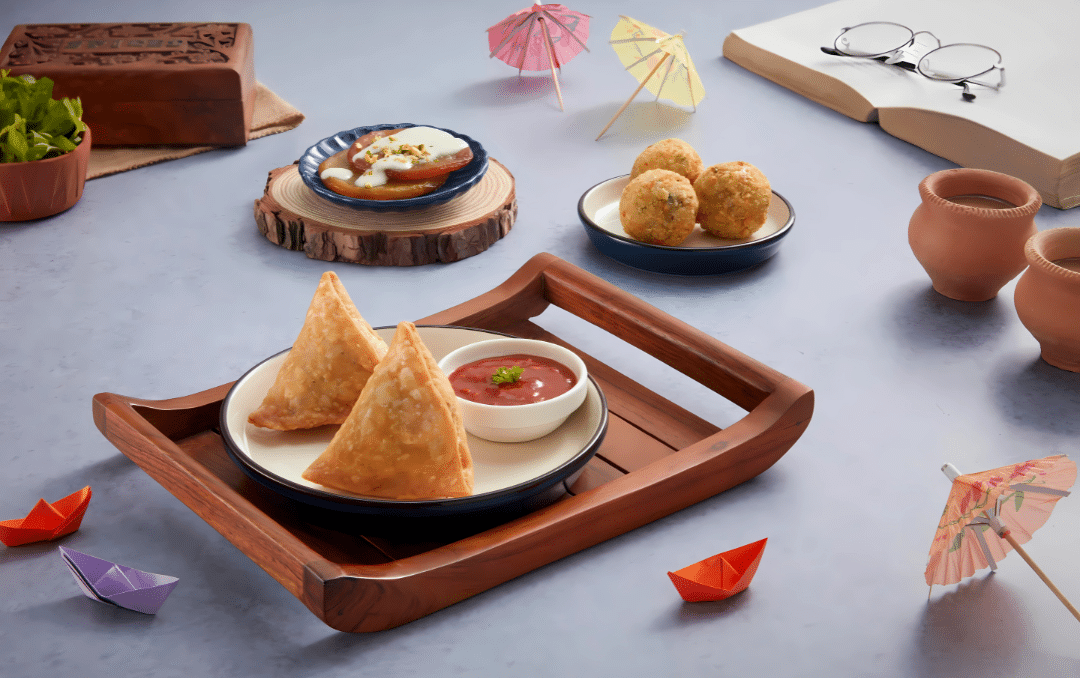

Dinner-and-drinks pairing traditions in India are far from just red wine with steak or Chardonnay with cheese. Indian food has layers of flavours and it all depends on an emotion. Every dish tells a local story of the region where it originated from, the time of the year when it is prepared, and the type of spices used in its making. So, how do we balance the tastes without dulling the senses? Indian cooking is more an art guided by intuition relating to balance, contrast, and tradition than any science with rules.
At the heart of Indian cuisine lies rasa
At the heart of Indian cuisine lies “rasa,” or taste. Unlike Western systems, which tend to emphasize sweet, salty, sour, and bitter, Indian food considers six tastes: sweet, salty, sour, bitter, pungent, and astringent. An Indian meal that is well balanced, be it a simple home-cooked thali or an elaborate five-course-theater, would cover most, if not all of these tastes. Understanding how these tastes interact is the very beginning of learning food pairing.
A South Indian classic pairing
Another South Indian classic comes into mind: rasam with appalam. Peppery and sour with perhaps some pungency, the rasam stands to be perfectly matched with freshly roasted appalam, crisp and airy in texture. It is not so much a contrasting pairing for theater; rather, it is one of balance.
The rasam would be forced to make its way into the cracks that remember those brittle moments of the appalam, which in return crunches into the warm embrace of the rasam. Stirring in just a few drops of ghee into the rasam would mellow the spice and throw creative enhancement into the aroma that is in itself so sharp, smoky, grounding, and rich. The best ongoing dialogue in Indian food does not shout for attention; it softly whispers in unison.
Balanced pairs from dawn till dusk
And Indian food has such balanced pairs to help from dawn till dusk. Some timeless renditions include:
Morning Mood: Poha and Masala Chai
Lightly spicy poha with crunchy peanuts goes along with a warm, astringent cup of masala chai. One comforts, and the other awakens.
Late Breakfast: Idli, Coconut Chutney & Filter Coffee
Soft and fluffy idlis with cool and nutty chutney find the perfect complement in the fresh bitterness of filter coffee, which exhilarates.
Lunch: Dal-Makhani, Jeera-Rice, & Chass
Rich, creamy dal with fragrant, jeera-laced rice for a deep ambiance. Let some chilled chass go down to wipe the palate clean, keeping things light and aiding digestion.
Evening: Aloo-Tikki Chaat and Masala Soda
Hot and tangy chaat is complemented by sparkling masala soda, offering a playful palate cleanser.
Dinner: Biryani, Salan, and Boondi Raita
Layered biryani with smoky salan while balanced with cooling boondi raita. Each element has a purpose: spicy, deep, and calm.
Midnight Craving: Masala Maggi and Cold Milk
That spell of late-night Masala Maggi truly gets an interesting lift from creepy cold milk; heat meets hush in all quietude.
Modern takes and timeless traditions
Such drink pairings in Indian cuisine, particularly traditional ones, are yet to be kept at the forefront; however, the recent interest has been growing. An especially good modern Indian restaurant example would be the one where a spicy tandoori platter is paired with a sweet or mildly citrusy cocktail: a mango-chilli margarita or a gin-based kaffir lime cooler. These drinks cool down one’s palate and balance the heat, which goes well with the smokiness in dry offerings. Traditionally, the other immediate option would be sweet lassi after something spicy or chaas with a heavy thali; instinctively, the body craves some coolant when things turn warm.
Regional pairings grounded in climate and culture
Certain regional combinations are classical since their very essence is tied to climate and production, along with digestive activity. Thus, ker sangri (astringent, sour, and earthy) combined with bajra roti and garlic chutney works in Rajasthan because it’s seasonal, functional, and nourishing yet light. Mustard-based preparations such as shorshe ilish should be had with plain white rice and maybe some mild lime soda; the sharp mustard does not compete but merely requires an empty stage on which to perform.
Modern menus rooted in tradition
Even in high-end restaurants attempting to redefine Indian cooking for global audiences, food pairings that depend on older traditional knowledge seem to work best. For instance, instead of confusing the drinks menu, the people gave a cooler of coconut water with some jaggery and lime to complement an indulgent filter coffee chocolate dessert. The cooler was fresh, slightly acidic, and a gentle nod to South Indian identity, not contending with the flavors of the dessert.
A cultural decision as much as culinary
To be understood, food pairing in Indian cooking is not merely a culinary decision but a cultural one with which one has to deal with the separation of taste, habits, and region. Whether the pairer is the chef designing a menu or a diner putting together a comfort plate, the object remains to combine in a balanced manner: heat and coolness, richness and sharpness, tradition and premeditated modernity.
Food pairing in India is more of a sensorial experience, with cases being shaped by memory, impulse, and the tried combinations of history. The deeper we understand its origins, the better our creativity will be to sow flavour bridges that truly work.