
Driven by a mission to create Asia’s foremost wellbeing destination, Gavin de Souza, Managing Director – Writer Lifestyle Pvt Ltd, and CEO – Dharana at Shillim, has carried forward his family’s legacy – a dream seeded decades ago by his father and uncle to conserve the 2,500-acre Shillim Valley in Maharashtra. What began as an ecological restoration initiative evolved into a pioneering model of sustainable luxury, where environmental stewardship and human wellbeing co-exist.
With three decades of diverse expertise, Gavin has shaped his career across global and local operations. He began in the family’s relocation business, learning under the mentorship of his late father, William de Souza. In 2003, he ventured into boutique real estate development, blending precision with innovation. By 2011, as Managing Director of Writer Realty, he redefined luxury living through transformative real estate, hospitality, and wellness projects—merging exceptional design, cutting-edge technology, and life sciences to elevate lifestyles sustainably.
Excerpts from the interview:
Dharana at Shillim is rooted in your family’s vision of conservation. Tell us more about it…
The idea behind Dharana at Shillim is deeply rooted in my family’s long-standing commitment to conservation. It began back in the 1980s, when my father and uncle discovered the Shillim Valley in the Western Ghats and were moved by its raw, untouched beauty. What started as admiration soon turned into a mission. When they saw the damage caused by unsustainable practices like slash-and-burn farming, they knew they had to preserve the land.
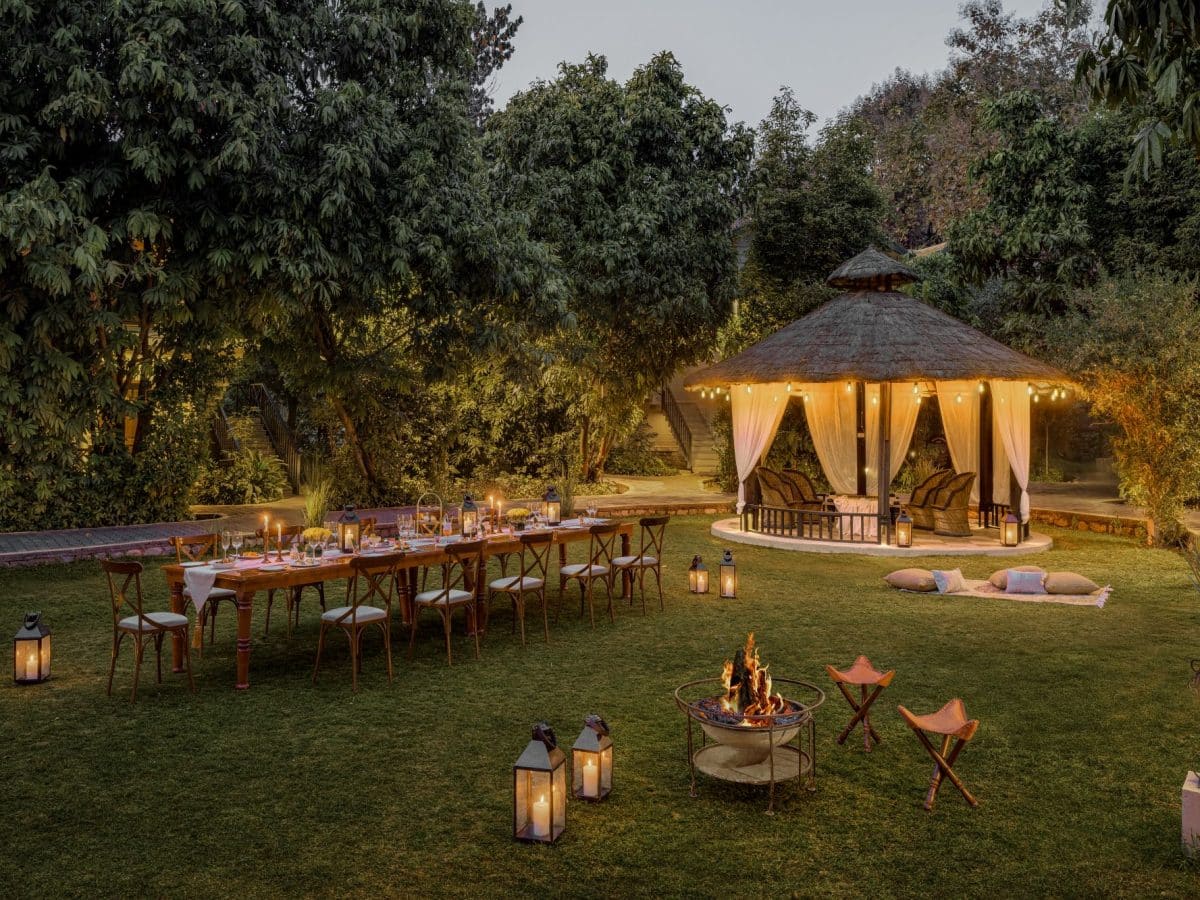
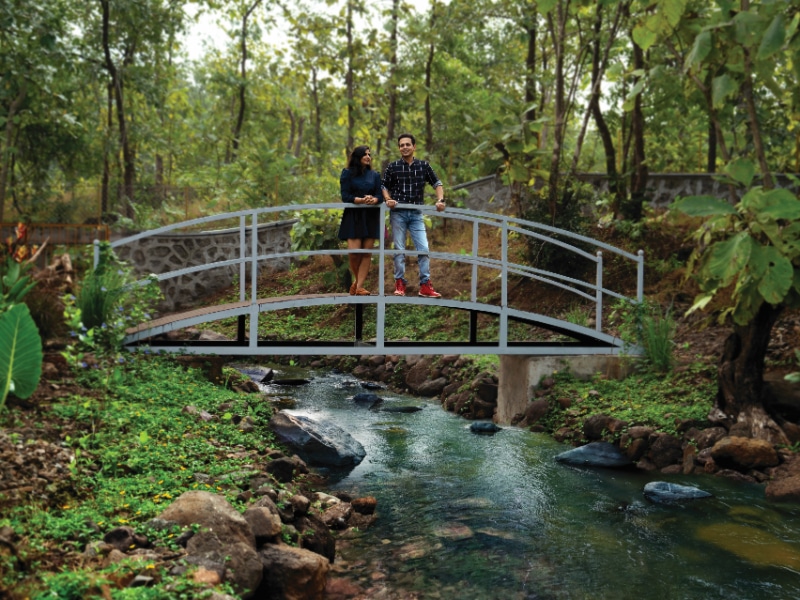
It wasn’t easy. But over time with immense effort, they managed to protect over 2,500 acres of forest, driven by a single, unwavering goal: to safeguard the valley’s biodiversity. Dharana at Shillim is a natural extension of that legacy. Today, it serves as both, a sanctuary for wellbeing and a model of environmental stewardship – home to over a million trees and countless native species. It’s a space where people can reconnect with nature and themselves, and where the principles of sustainability, healing, and conscious living come together in harmony.
The Shillim Valley project began as an ecological restoration mission. Can you take us back to the earliest days – what state was the land in, and what was the first step toward its revival?
When the project began, the land was severely degraded from years of deforestation and unsustainable farming. It felt as if it was calling out for help. We thought the first step was to understand and listen to the land itself – understanding its needs and honouring its natural rhythms.
The goal wasn’t to build, but to heal. We focused on restoring the soil, replanting native species, and revitalizing water systems to bring the land back to life. This deep, intentional healing process laid the groundwork for a space where both nature and people could flourish together, reflecting our belief that true wellness begins with the earth itself.
What specific strategies were employed to regenerate the 2,500-acre forest ecosystem – flora reintroduction, water conservation, soil health?
Once the land was secured, the focus shifted from protection to purposeful regeneration. The first step was to be mindful – using sustainable materials like bamboo and earth to create low-impact structures that blended seamlessly with the landscape.
Meanwhile, we took efforts in reforestation with a nursery set up near Pawna Lake, followed by a large-scale planting program using seeds that were directly sourced from the Shillim forest. The philosophy was simple: Plant native to restore native. Over 60,000 saplings were nurtured until they could thrive independently.
The restoration extended beyond ecology; it became a community-driven mission. We involved local men in protecting the land from fires and poaching, while women took the lead in nursery care and seasonal plantation drives. What unfolded was not just the revival of an ecosystem, but the building of a shared purpose.
It took over two decades to acquire and conserve the valley, and another decade to bring the vision of Dharana to life. Every hand that contributed played a part in restoring Shillim – both its land and its spirit, and we are grateful to each of them for joining us in this cause.
Dharana offers a profound integration of place, purpose, and practice. How did you approach curating this immersive experience – beyond just amenities?
Our approach at Dharana has always been to be more than just a destination – it’s a space for deep inner work and healing of the mind, body, soul in the lap of nature. We have wanted to curate an experience that transcends the conventional indulgence and amenities associated with travel, something that is rooted in purpose, where every element serves a deeper intention. From the architecture and daily rituals to our personalised programmes, everything is designed to guide guests inward. We believe wellbeing isn’t a goal, rather a journey of learning and implementing.
Our wellbeing programmes unfold alongside a culinary studio, nature immersion, organic farming, creative expression, and knowledge-sharing sessions, all designed to deepen one’s understanding of the self and the natural world. It’s a holistic pathway to raising one’s conscious vibration and embracing the interconnectedness of life. Ultimately, Dharana fosters both – individual and environmental health.
How does the architecture and layout of the retreat reflect the principles of energy flow, ecological harmony, and holistic healing?
The architecture and layout are inspired by principles that support energy flow, ecological balance, and holistic wellbeing. The layout is inspired by Vedic principles and designed to support the natural flow of energy, ecological balance, and a deep sense of wellbeing. Everything from the placement of villas to the winding pathways has been thoughtfully crafted to align with nature and bring peace of mind.
The retreat was brought to life by a team of visionaries, including landscape artist Margie Ruddick and architect Stevan Harris, with support from Yale University architecture students. They studied the Shillim Valley in depth to ensure the retreat would sit gently within its surroundings, not disrupt them.
The design draws on both ancient wisdom and modern cognitive psychology—much like the calming effect of a Zen garden. By keeping visual distractions minimal and creating harmony in every detail, the space helps guests feel instantly at ease. Here, architecture becomes part of the healing—offering more than beauty, it offers balance.
Are there specific sustainability practices that you’re especially proud of?
Sustainability is at the heart of Dharana at Shillim. We are especially proud of our 486 kW solar plant, which currently powers around 20% of the retreat and has helped us significantly cut down on diesel usage. Water conservation is another cornerstone. Through rainwater harvesting and on-site reservoirs, we are able to collect up to 18,000 kiloliters of water annually.
We’ve also taken conscious steps to close the loop—composting all organic waste to nourish our own farms, and completely eliminating single-use plastics across the retreat. Another initiative close to our heart is the reintroduction of rare native species—over 460 planted so far, with the aim of increasing forest cover by 10% by 2030. Each of these efforts is a step towards creating a retreat that gives back more than it takes.
Are there plans to replicate the Dharana model in other ecologically sensitive regions – or will Shillim always remain the singular flagship?
While Shillim will always be the soul and flagship of Dharana, the vision is much larger. We certainly have the capability to expand Dharana’s footprint in the long term; however, our current focus is on showcasing the brand’s strength and what truly sets it apart from other wellness retreats, both in India and globally. Our aspiration is clear: To be a leading luxury wellbeing retreat.
How does the upcoming launch of the Physical Restoration Studio expand Dharana’s definition of wellbeing beyond traditional spa and yoga therapies?
At Dharana, we see wellbeing as something far more holistic than just spa treatments or yoga sessions. The Physical Restoration Studio will reflect that broader vision. It’s a space designed to support not only physical health, but also neurological and functional resilience.
Here, guests can engage with innovative tools by our partner brands like Total Gym, Reaxing, and Airofit- each chosen for its ability to offer low-impact, high-benefit movement. These systems help improve everything from strength and stability to breath control and motor coordination, making them suitable for all ages and fitness levels.
More than just a gym, the studio is an invitation to reconnect with your body in a conscious, mindful way. It’s where movement becomes medicine, and where physical restoration is approached with the same depth and intention that defines every part of the Dharana experience.
What daily wellness practices or philosophies do you follow that stem from the Dharana principles?
I begin each day with meditation and conscious breathing to clear my mind and set intentions. My morning is complemented by a nourishing, healthy breakfast, I believe in integrating movement into my routine, whether through yoga or a walk to stay connected to my body and surroundings and avoid a sedentary lifestyle.
I also prioritize rest and reflection amidst a hectic schedule. These simple yet powerful practices help me cultivate mental clarity, physical vitality, and emotional harmony – principles we live by at Dharana at Shillim.