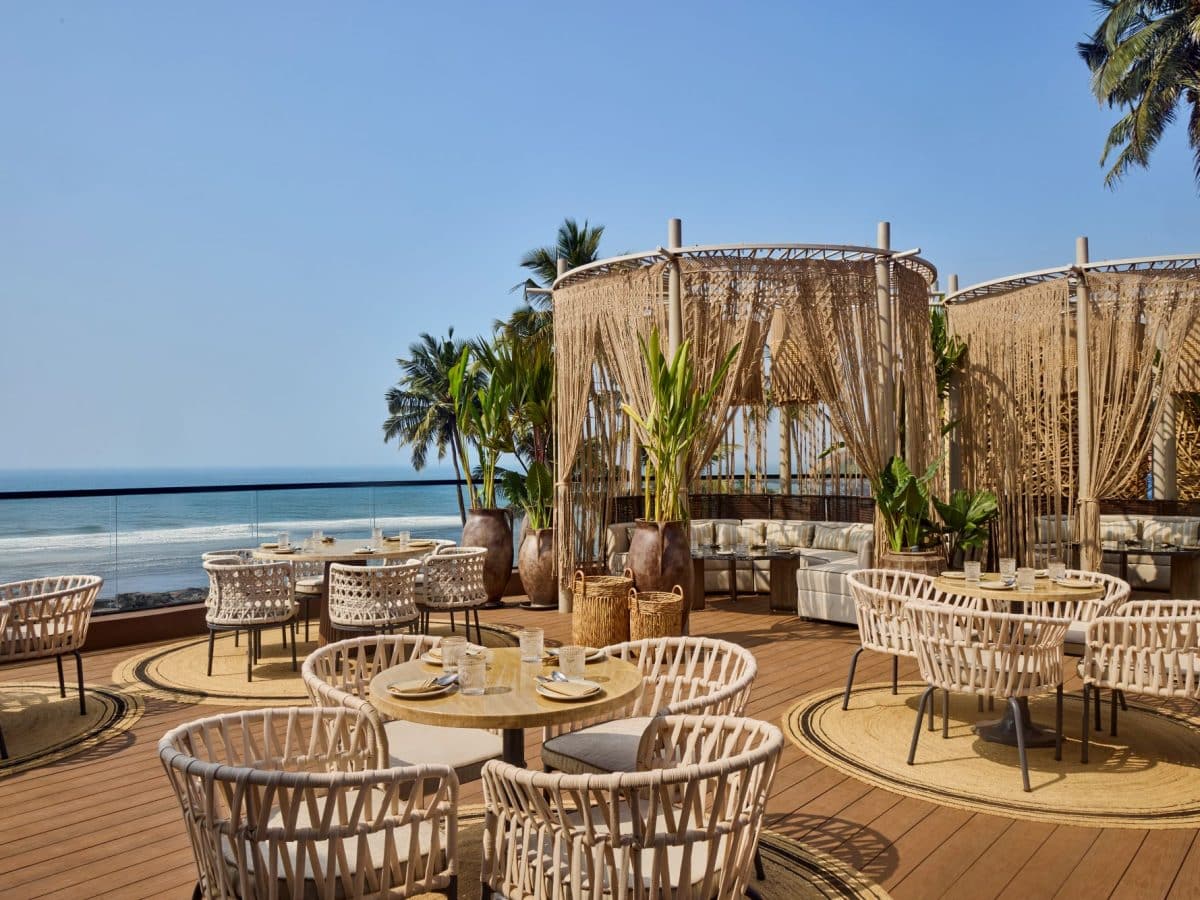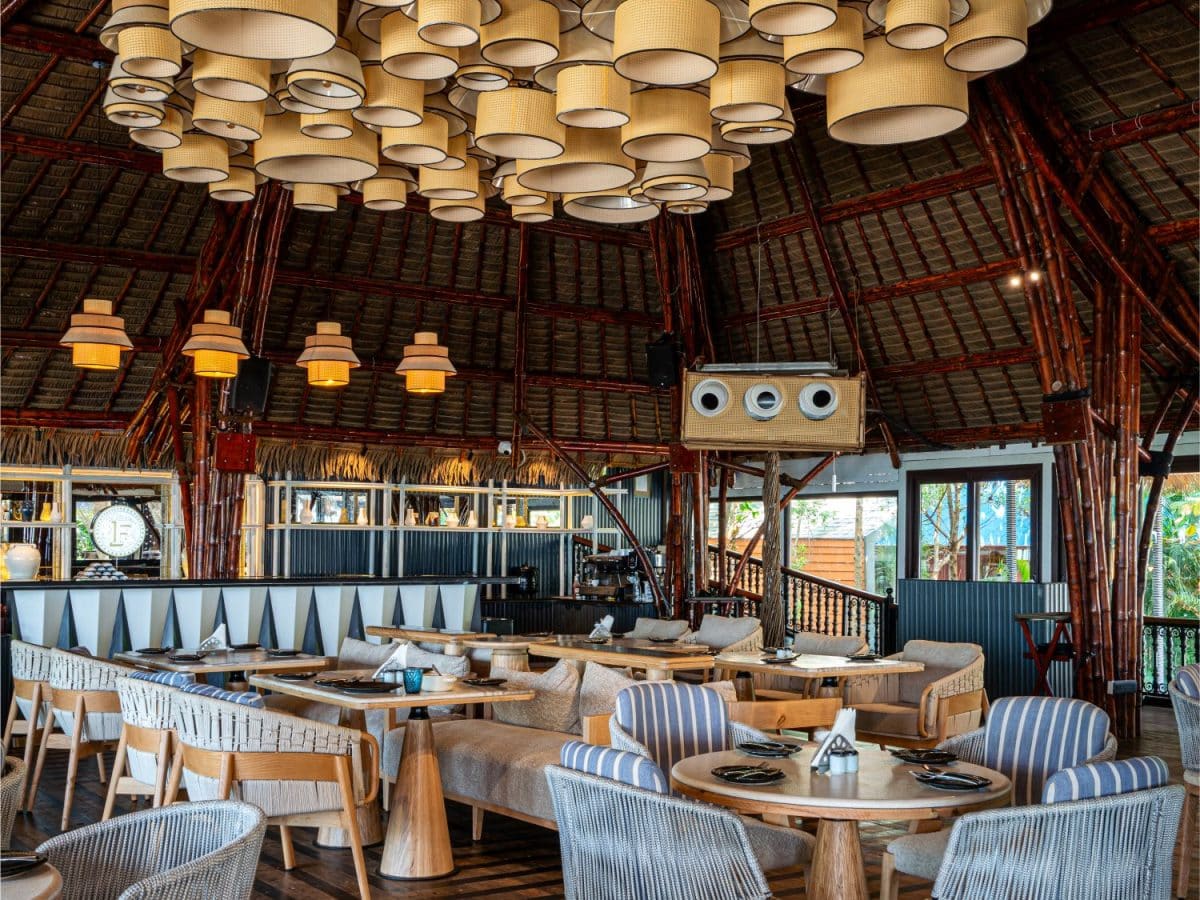

Earthitects is a design studio that believes true luxury lies in reconnecting with nature. Founded on the philosophy of Reverse Urbanization, the firm creates spaces that blend seamlessly with their natural surroundings, offering immersive, eco-sensitive experiences.
At the helm of Earthitects is George E Ramapuram, an architect deeply influenced by his upbringing in Coorg’s lush landscapes. His design ethos—“God is the greatest architect, and nature is the greatest design” shapes Earthitects’ work, from the breathtaking Evolve Back Resorts to sustainable retreats like Stone Lodges in Wayanad. By integrating indigenous materials, traditional craftsmanship, and sustainable practices, George and his team are redefining hospitality and residential design in India.
In this conversation, he shares his journey, design philosophy, and vision for the future of luxury hospitality.
Your philosophy of reverse urbanisation is intriguing. How has this concept shaped the design and ethos of Evolve Back Resorts, and how does it redefine luxury hospitality in India?
Growing up in Coorg’s lush greenery shaped my belief that “God is the greatest architect, and nature is the greatest design.” This deepened while working on Evolve Back Resorts, leading me to coin ‘Reverse Urbanisation’—the core philosophy behind Earthitects Holiday Experiences.
Reverse Urbanisation redefines luxury by moving away from urban chaos to nature-centric living. At Earthitects, this vision translates into eco-sensitive design, using locally sourced materials and sustainable practices to create serene, immersive spaces. Here, luxury is not excess but a return to nature, setting a new standard for responsible hospitality in India.
Evolve Back Resorts are celebrated for their seamless integration with nature. Could you share how you approach designing spaces that allow guests to immerse themselves in the surrounding environment?
At Earthitects, our design philosophy is rooted in the belief that nature is the greatest design. Our approach to Evolve Back Resorts focuses on seamless integration with the natural environment, ensuring that every space enhances, rather than disrupts, its surroundings.
We achieve this by embracing the land’s natural contours, preserving existing flora, and using locally sourced materials to create structures that feel organic and timeless. Large open spaces, natural ventilation, and earthy textures allow guests to experience the wilderness without barriers. Thoughtfully designed water bodies, bird-friendly landscapes, and indigenous plant life further enrich this immersive experience.
By blending architecture with nature, we create sanctuaries where luxury is defined by harmony with the environment—offering guests an authentic and restorative connection to the world around them.

With projects like the Kabini and Hampi resorts, you’ve showcased the art of blending local heritage with modern comfort. How do you ensure that the cultural essence of these regions remains central to the guest experience?
At Earthitects, we design spaces that celebrate the spirit of the land by blending local heritage with modern comfort. Evolve Back Kabini reflects the architectural traditions of the Kadu Kurubas, featuring mud walls, thatched roofs, and cow-dung-smeared floors. Interiors embrace vernacular design with ethnic furniture, tribal-patterned furnishings, and handcrafted details, creating an authentic wilderness experience.
In Evolve Back Hampi, we pay homage to the Vijayanagara Courtly Style, with fort-like entrances, arched hallways, and regal suites. Elements like teardrop-shaped balustrades, bay windows, and lotus motifs echo the grandeur of the empire, while the use of stone floors and dark wood furniture enhances the royal ambience.
By honouring Indigenous architecture, we ensure that every stay offers guests a genuine connection to the land’s history, culture, and timeless beauty.
Sustainability is a cornerstone of your work. What are some innovative sustainable practices incorporated into the Evolve Back properties, and how have they been received by guests?
At Evolve Back, sustainability is a way of life. Our resorts minimize environmental impact through eco-friendly architecture, energy efficiency, water conservation, and waste reduction.
We also support local communities by investing in education, healthcare, and cultural preservation. Initiatives like a preschool in Coorg and healthcare aid for underprivileged patients reflect our commitment to responsible tourism.
Guests appreciate these efforts, enjoying luxury with a conscience—an immersive experience that honours both nature and heritage.

In a competitive hospitality market, what sets Earthitects and Evolve Back Resorts apart as pioneers of nature-inspired luxury?
What sets Earthitects and Evolve Back Resorts apart is our philosophy of nature-inspired luxury, where design, sustainability, and cultural authenticity come together to create immersive experiences.
Unlike conventional resorts, our approach is rooted in Reverse Urbanization—moving away from urban chaos to reconnect with nature. We design spaces that seamlessly blend into the landscape, use locally sourced materials, and incorporate traditional architectural styles unique to each location.
Our commitment to sustainability, responsible tourism, and community engagement ensures that guests don’t just stay in luxury but experience the land, its heritage, and its natural beauty in its purest form. This vision of luxury that gives back truly sets us apart.
Post-pandemic, travellers are increasingly seeking meaningful and rejuvenating experiences. How do your designs cater to this shift in preferences, especially for Indian and international audiences?
Post-pandemic, travellers seek authentic and rejuvenating experiences, which our designs embody. In Coorg, we embrace Plantation-style and Kodava architecture; Kabini reflects Hadis tribal villages; Hampi showcases Vijayanagara grandeur; and at Earthitects Wayanad, our sustainable mountain bungalows blend luxury with nature. Each destination offers a unique, immersive connection to its heritage and surroundings, catering to both Indian and international travellers.
The Stone Lodges in Wayanad are a fine example of merging rustic charm with luxury. What was your vision behind this project, and how do they reflect your signature style?
The vision behind Stone Lodges, Wayanad was to create luxury that coexists with nature, inspired by the raw beauty of mountain lodges. Designed with our philosophy of Reverse Urbanization, these residences blend rustic charm with modern comfort, using locally sourced materials, natural stone, and upcycled wood.
Every element, from butterfly-friendly landscapes to zero-waste practices, reflects our commitment to sustainability. The design seamlessly integrates with the surroundings, ensuring that residents don’t just live in nature—they live with nature, embodying our signature style of nature-inspired living.

Your projects often draw from the architectural styles of their locales, such as Kodava heritage in Coorg. How do you strike a balance between honouring tradition and offering contemporary luxury?
Inspired by Plantation-style and Kodava heritage, our architecture reflects the region’s rich traditions while seamlessly blending modern comforts.
Using locally sourced materials, traditional craftsmanship, and sustainable design, we create spaces that honor Coorg’s cultural essence while offering contemporary luxury. This balance ensures guests experience the authentic charm of Coorg, making their stay truly immersive and timeless.
The philosophy of ‘God is the Greatest Architect’ deeply influences your work. How does this belief shape your approach to designing hotels and resorts that celebrate nature?
Our core belief, “God is the greatest Architect and Nature is the greatest design to ever exist,” influences every project we undertake. This philosophy, deeply ingrained in me and the entire Earthitects team, drives us to harness the beauty and wisdom of nature to facilitate life in its abundance.
When designing any space, we focus on enabling guests to fully experience and appreciate God’s creations—whether it’s through using natural materials, crafting spaces that blend seamlessly with the environment, or ensuring that each design celebrates the harmony of nature. This belief ensures our designs are not just luxurious, but also a celebration of the world around us.
As a pioneer in nature-inspired hospitality, what is your vision for the future of luxury resorts in India, and how do you plan to evolve the guest experience in alignment with your philosophy?
My vision for the future of luxury resorts in India is to create deeper, more meaningful connections between guests and nature. As a pioneer in nature-inspired hospitality, I believe the future lies in sustainable, immersive experiences that offer luxury without compromising the environment.
We plan to evolve the guest experience by continually embracing innovative, eco-friendly practices while ensuring that each resort reflects its unique natural and cultural surroundings. The focus will always be on authenticity, sustainability, and designing spaces that not only offer comfort but also a spiritual connection to nature—allowing guests to feel truly immersed in the environment, as part of it.