From conceptualization to building to the final execution and operation of a hotel, hoteliers look out for strategies which will eventually divert their hospitality business into a profit. They also keep themselves updated on revenue management strategies, which gives them an upper hand in this competitive market. But how is the architectural layout directly relevant to the growth of the hotel’s revenue?
The visual appeal

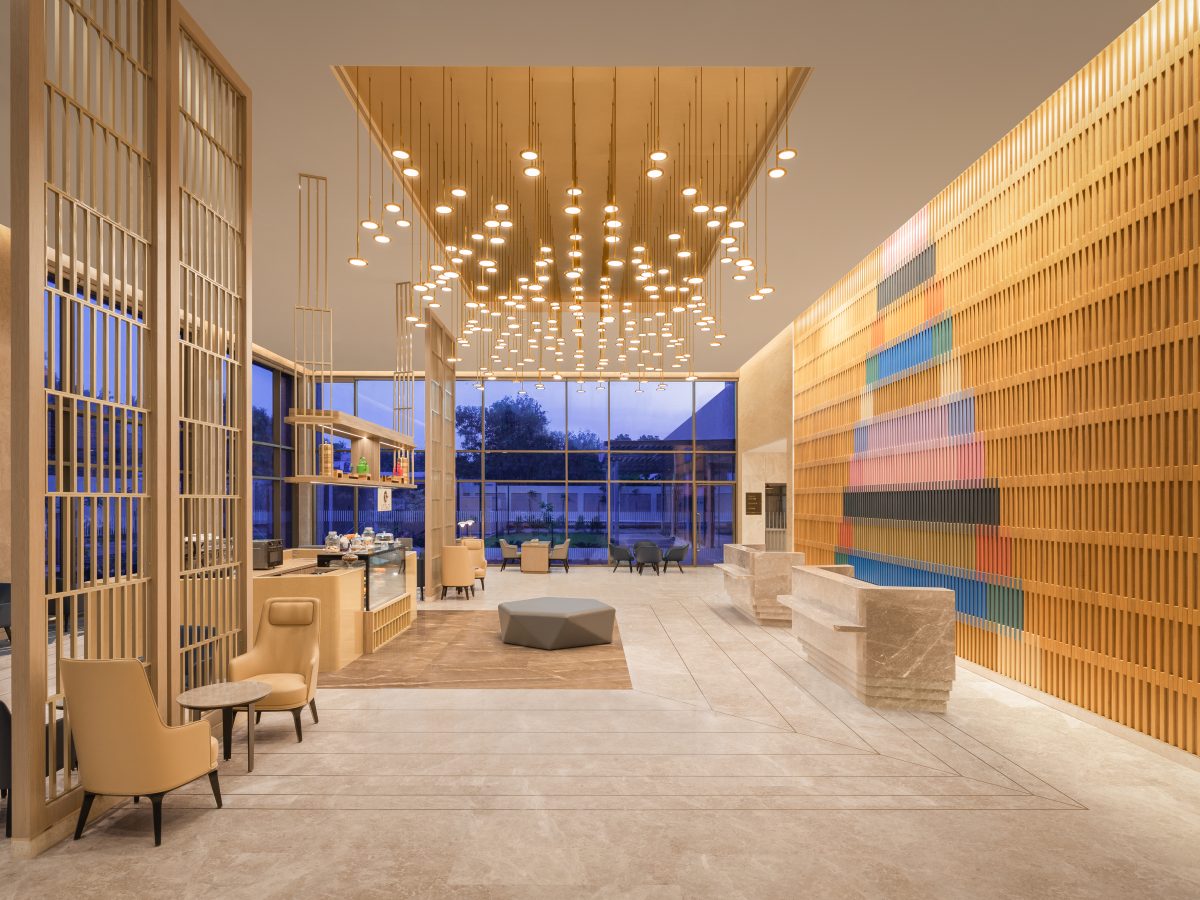
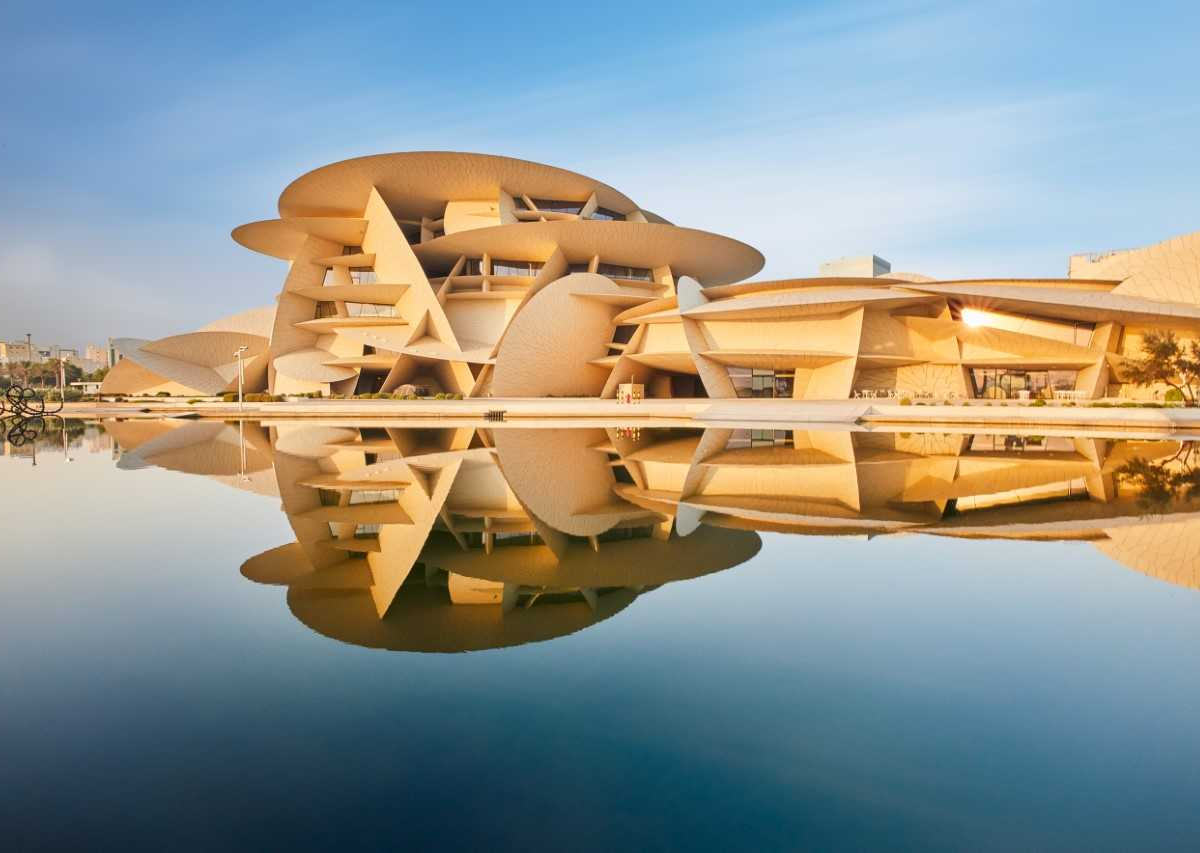
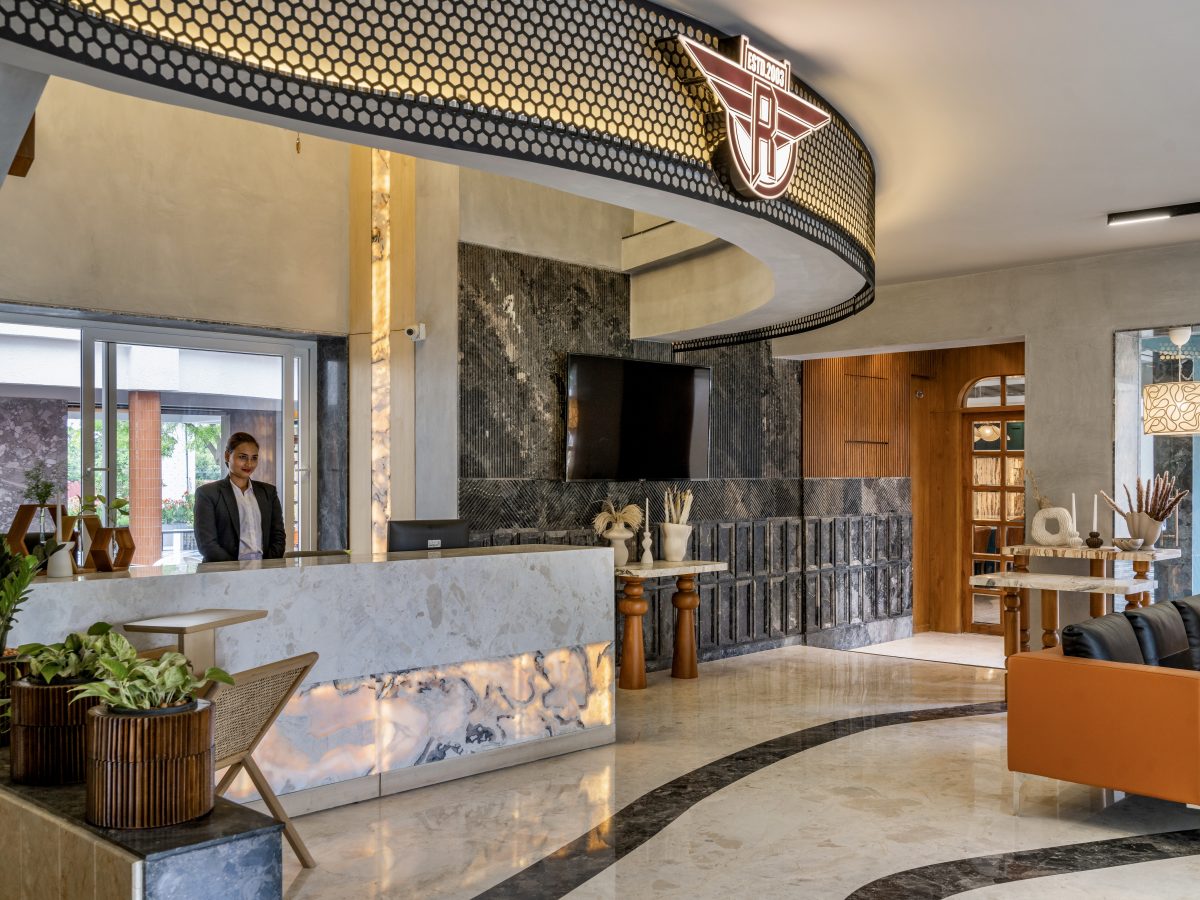
Gautam Khanna, Director of Operations, Raffles Udaipur, expresses, “The design and architecture of a hotel create the first impression on guests. A visually appealing and well-designed exterior can attract potential customers and encourage them to choose the hotel over competitors. A striking and unique architectural style can create a memorable brand identity, helping the hotel stand out in a crowded market.”
And this can add immensely to a hotel’s revenue. Ajay Sharma, General Manager, Taj Corbett Resort & Spa, Uttarakhand, explains, “The architecture of the resort has been one of the major components of our revenue growth. The elegantly styled cottage rooms with a rustic ambience have been instrumental in augmenting revenue growth. While impeccable hospitality and Taj standard services have always been our strength, the architecture of the resort and its pristine location amidst the majestic Himalayan foothills has been a major highlight for guests.”

Briefing them right
Khanna elaborates on the key considerations to keep in mind while commuting to the architect:
- Market Research and Target Audience: We need to begin by conducting thorough market research to identify the target audience and understand their preferences, needs, and expectations. This will provide architects with detailed information about the target market, including demographics, travel patterns, and desired experiences, which will help ensure that the design aligns with the target audience, leading to higher occupancy rates and revenue generation.
- Functional and Efficient Layout: We need to emphasize the importance of a functional and efficient layout throughout the hotel. We also need to work with architects to design spaces that optimize guest flow, enhance staff productivity, and minimize operational costs. Factors such as easy check-in and check-out processes, clear wayfinding, efficient room configurations, and convenient access to amenities and services need to be considered. A well-planned layout contributes to positive guest experiences and smooth operations, ultimately impacting revenue.

- Integration of Technology: Architects need to be instructed to integrate technology seamlessly into the design. Features such as smart room controls, keyless entry systems, mobile check-in/ check-out, and personalized guest experiences through data analytics need to be considered.
- F&B Facilities and Revenue Opportunities: Work with architects to create inviting restaurants, bars, and cafes that cater to different dining preferences. A well-designed F&B area not only enhances guest experiences but also serves as a significant revenue generator for the hotel.
- Sustainability and Energy Efficiency: Encourage architects to incorporate sustainable design principles and energy-efficient features into the hotel. This can include eco-friendly materials, energy-efficient lighting systems, water-saving fixtures, and renewable energy sources. Apart from being environmentally responsible, sustainability initiatives can lead to cost savings and appeal to environmentally conscious guests, positively impacting revenue.
Unlocking the design potential
Exciting additional amenities not only help yield revenue but also lead to a strong hotel presence, which lets them stand ahead of the competition.

Sarabjit Singh, Founder & Architectural Designer, Villa Ortiga, suggests, “Incorporate a spa and wellness centre to attract guests seeking relaxation and rejuvenation. Designing flexible conference and event spaces can attract corporate clients, generating substantial revenue. Creating exclusive room categories with luxurious amenities can command higher rates and attract luxury-seeking guests. Lastly, incorporate fitness centres, swimming pools, and recreational facilities to appeal to the health-conscious guests, which can generate additional revenue through memberships and rentals.”

Amey Dahanukar, Founder & Principal Architect, ARA Designs, adds, “One of the most significant game-changing factors in modern hotels is the food and beverages offered, including simple coffee shops and banquet facilities. These elements contribute substantially to the overall income of the hotel, running parallel to room revenue. In some instances, the food bill alone may surpass the revenue generated by the rooms, showcasing the substantial impact of these supplementary offerings. It’s important to bear in mind that the quality and star rating of the hotel determines the facilities it should provide.”
The extra efforts
Upsurging the hotel’s architecture, hoteliers also construct unique income pockets and explore marketing affiliations in and out of the premises for a revenue boost. With lush outdoor views to soothing lake views, hoteliers have left no stone unturned while maximizing their site use.

Sharma explains, “Taj Corbett Resort &; Spa has distinct pockets that can easily cater to different group sizes. The key aspect is that surrounded by an abundance of nature; the canopy of mango trees and well-maintained lush green gardens make it a perfect venue to host different wedding functions. Additionally, the banquet hall is a fine option to combine both indoor and outdoor events. The new block with an addition of 14 more rooms that includes the upcoming presidential suite has lush green lawns with a breathtaking view of the Kosi. This has been the new inclusion to the venues. Recently, the resort also played host to the G20 summit, and it was a moment of privilege and honour for the entire team to have hosted the event successfully.”

Elaborating on the above, Khanna says, “Our spa generates a good amount of revenue for the hotel. People checking in at our resort are pampered with our opulent and experiential spa which uses different therapies based on different body types. We provide the opportunity to enjoy a romantic high tea experience at Belvedere Point at our hotel, where they can savour delicious treats while taking in breathtaking views of the lake. To add an extra touch of elegance, we adorn the table with beautiful fabric and candles, creating a magical ambience. For those seeking a more enchanting evening, we offer dinner at our polo lawns, accompanied by live singers serenading the couples with melodious tunes. The lawns are thoughtfully decorated with soft lighting and an exquisite table setup. This creates a romantic atmosphere, perfect for a memorable dining experience.”

The correlation between sustainability and revenue growth
Emphasis on local materials can drastically reduce energy use and emissions. Dahanukar spotlights, “As designers, we firmly believe that the use of the most expensive materials does not inherently enhance the aptness or beauty of a design. Instead, we prioritize the utilization of locally available materials and incorporate local art into our designs.”
He adds, “For instance, while designing a hotel in Karjat, we discovered the local basalt stone. We decided to incorporate exposed basalt walls into the design, effectively integrating them as a fundamental part of the overall aesthetic. This choice reflects our commitment to sustainability by utilizing local elements and ensuring that the design remains uncompromised throughout the process. So this was more about being sustainable, making sure you use the local elements as a whole and not dilute your design in the process.”
Local retailers and market vendors have a clear idea of the region, which also helps cut down on additional expenses. Sarabjit Singh, Founder & Architectural Designer, Villa Ortiga, says “We conduct research and identify affordable options without compromising quality. Collaborating closely with suppliers and contractors to negotiate competitive prices and explore value engineering opportunities is critical to managing costs.”

A double-edged revenue strategy
Architects are not just focusing on long-term profits for hoteliers, but also look after the local employment. Dahanukar avers, “Before we embark on any design endeavour, we conduct comprehensive research on the surrounding area. This allows us to familiarize ourselves with the available materials and the skilled artisans within the local community. By involving them in our projects, we not only provide them with a sustainable source of income but also tap into their expertise in their artistic traditions. This mutually beneficial arrangement ensures the best outcome for all parties involved.”