

1. What are some of the latest trends in the F&B domain?
We have seen a shift in consumer behavior over the last couple of years, wherein people have become more health-conscious and are choosing healthier food options. Organic food; plant-based food; alternatives for dairy, salt, and sugar are some of the most popular searches and it is safe to say that these options continue to be at the forefront. Cell-based cultured protein is an industry that continues to rise as a leading alternative-protein source. Alongside this, many consumers are adopting veganism as sustainability is becoming increasingly important.
2. What untapped opportunities can hotels explore by utilising their existing F&B infrastructure?
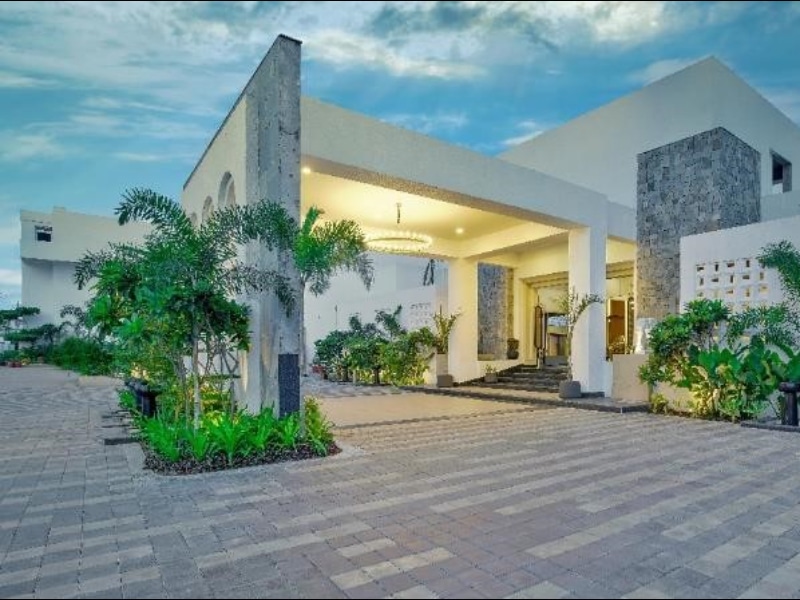
At Doubletree by Hilton Jaipur Amer, we have beautifully laid-out kitchens and restaurants. Going beyond that, we can set up kiosks at corporate events, elegant hi-teas between socialites, and supply packed meals to corporates to make our F&B presence more prominent. We can also take up high-end outdoor catering for events alongside renting out our scenic venue for pre-wedding shoots and similar.
3. How is the hotel handling food wastage?
With sustainability becoming increasingly important, it has become imperative to handle food wastage well. Keeping that in mind, we try to reduce as much food wastage as we can through improving ingredient purchasing, inspection of raw materials, making sure proper storage facilities are in place, menu design, employee training on food wastage, and portion control.
4. Should hotels consider leasing kitchens for cloud kitchen requirements during non-peak hours?
Post-pandemic, cloud kitchens have definitely become a saving grace for several F&B outlets as food deliveries have become an essential part of consumers’ everyday lives. Nonpeak hours at the hotel can be used for food deliveries through various food delivery channels. Leasing kitchens for cloud kitchens would not practically be possible for us as peak hours for both would overlap and we wouldn’t want to compromise on the quality in any way.

5. What about hotels leasing their F&B spaces to standalone marquee restaurant brands on a revenue-share model?
This concept has become very popular and it has worked well in western countries. Standalone restaurants have exceeded customer expectations with the wide variety of meals that they offer, the striking presentations of their dishes, and their collaborations with celebrity chefs. There is no doubt that this concept will be an addition to the hotel’s revenue and there is an enormous potential for success given that customers are constantly driven to discover, explore and ideate on unique pathways.
6. How are training and development being taken up by the hotel for its F&B division?
Training and Development are at the utmost priority for any good F&B division so as to increase employee satisfaction and performance which correlates with higher customer satisfaction. Training has to be both internal and external, wherein internal training is more about working on soft skills, while external training is more on-the-job learning. Our practice at the hotel is of providing a robust mix of both which results in increased employee confidence to handle various day-to-day situations arising in the hotel.