
Three years ago, the Michelin Guide came up with the Green Star, an award for restaurants that combine culinary excellence with outstanding eco-friendly commitments. This is the eponymous brand’s effort to recognize food and beverage establishments in England, Scotland, Wales and Ireland that are at the forefront of the industry regarding their sustainable practices.
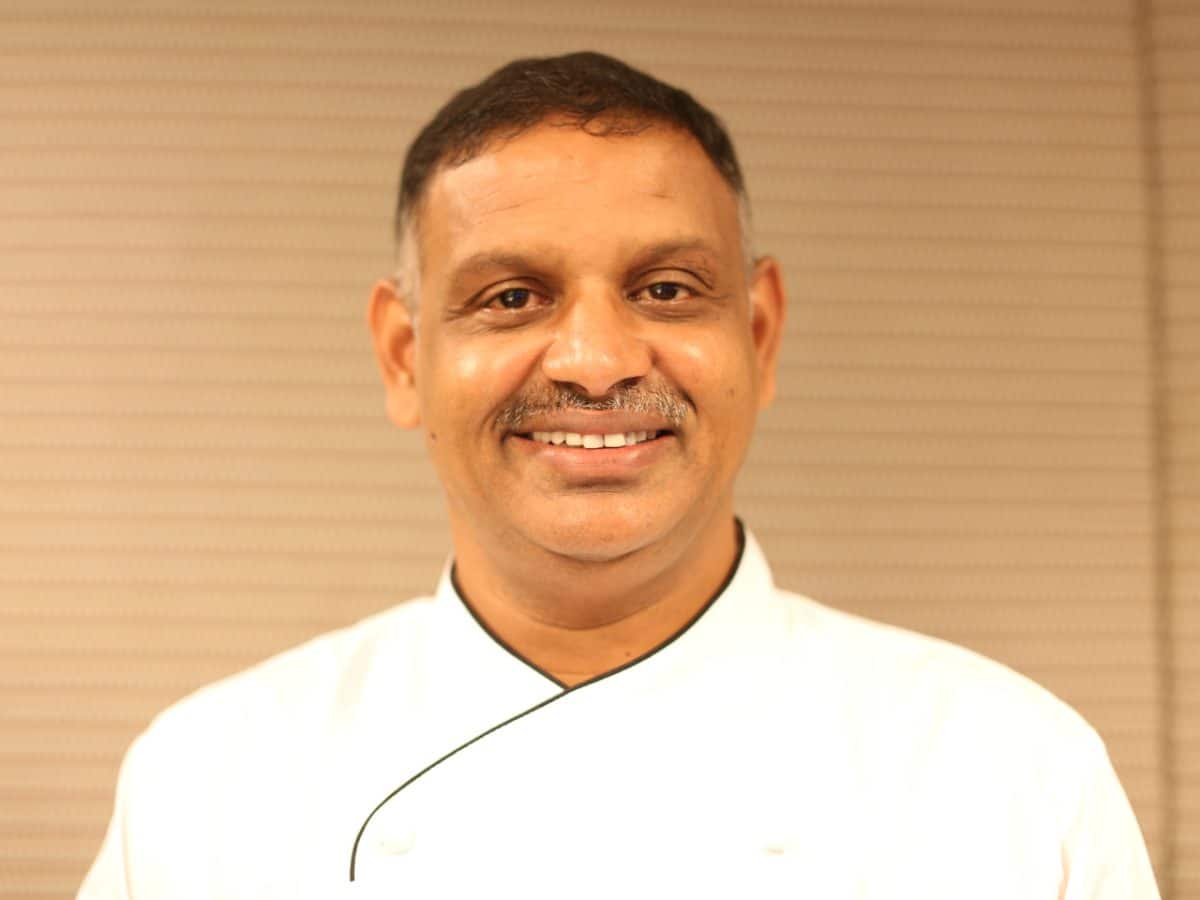
Earlier this year, Manisha Bhasin, Corporate Chef, ITC Hotels, was awarded the Special Award for Sustainability by Food Superstars. If you wonder what the connection between the two is, it goes on to underline that the trend of sustainable and eco-friendly restaurants is no flash in the pan. Bhasin reiterated that it is the need of the hour and going forth; more food and beverage players will emphasize bespoke farming, minimize the use of pesticides, and say no to genetically modified foods.
What is sustainable dining here to stay?
Diners today want to know about every ingredient’s source and carbon footprint, as they believe in sustainability. They are focused on wellbeing through food, recognising what we always believed in – that you are what you eat. So, instead of canned or processed foods, they are shifting to chemical-free organic produce.
How can restaurateurs and chefs marry elements like elegance, simplicity and respect for ingredients in their menu?
Chefs can work with farmers and showcase local ingredients on their menus, using artistic ways to invoke interest and ensure good health. They can create global cuisine using native ingredients, which will give local farmers a boost.
For instance, a simple ingredient like rhododendron, which is very healthy, can be plated differently. Similarly, several cheesemakers in the Himalayas create their own Gouda and Camembert using local resources. In addition to giving a diverse product range to consumers, it also generates employment in the region.
At ITC Hotels, we offer local cuisine under the aegis of the ‘Local Love’ program, where each hotel provides is based on the regional cuisine’s heritage. This gives diners unique food experiences and a better connection to the place they are visiting.

How can chefs ensure that sustainable procurement, shortening supply chain, food wastage, packaging, water and energy consumption, and recycling are followed rigidly in their establishments?
Sustainable procurement is possible only if chefs stay in touch with local farmers and have a constant exchange on product sourcing and production. Each city has its own farmers’ market, and chefs can visit these to connect with indigenous producers since they use it as a platform to showcase their products.
Food wastage, water, and energy conservation start from the entry-level and organisation’s culture. It is imperative to train, educate, and sensitise not only employees but also patrons about these elements to demand sustainable offerings during their visits.
ITC Hotels responsible dining initiative is extended to our delivery service too. We mindfully curate menus from our restaurants and use the most superior packaging techniques, which factor different aspects, including cuisine, temperature, distance travelled, mode of transport consumption techniques, etc.
Based on our ethos of Responsible Luxury, we promote healthy eating by creating healthier options on the buffets and menus. We use indigenous produce through various programs like Alert Treats, Feel Good menus, Forgotten Grains, Still Made Here, Good For You, Choose Wisely, Kitchens of India food promotions and our recent Zesty Mornings program. This messaging goes to a large cross-section of society, helping us create awareness amongst guests and associates.

How are chefs getting creative with menu design to ensure it aligns with the seasons throughout the year by avoiding ingredients that do not follow the local farming and production cycle?
A menu design will not do much to the food if the same is not supported with great food, and concept. Thus, usage of local produce in food and in all the elements of dining is vital. This is whether it incorporates local inspirations in the design element and thus recreating it with the local artisans or revisiting the traditional cooking techniques using traditional vessels to ensure original tastes.
How can chefs at fine dining restaurants ensure proximity, access, and control to a small local ecosystem that fulfils the demands of quality and seasonality?
Chefs can stay in touch with the small local ecosystem by constantly interacting with the local community surrounding the hotels. We have successfully done this at ITC Grand Bharat, at WelcomHotels Chail, WelcomHotels Bhubaneshwar, WelcomHotels Amritsar and other hotels.
These properties are located in areas where tradition and community can lend a lot to the menu offering. Chefs need to understand the local cuisine and ingredients and design their signature dishes at these locations. This will create more awareness and give impetus to the local ecosystem.

Over the past couple of years, many consumers ordered from ghost kitchens with great enthusiasm. Even hotels started considering ghost kitchens as a viable alternative to restaurant dining rather than the last resort. Now with things returning to normal, what is your prediction for the future of ghost kitchens?
Ghost kitchens will continue to be around for some time, even as dining out picks up. However, the brand experience in the restaurant setting will continue to rise. The ghost kitchens concept might decline but not go away completely.
What challenges are hotels likely to face while incorporating a ghost kitchen into their Food and Beverage program, especially when it comes to logistics and delivery?
Major hotel chains have their set standards, whether the material quality, final food experience, and, more importantly, kitchen hygiene, which are non-negotiable. To adhere to these requires certain expenses, which perhaps many stand-alone ghost kitchens find it exorbitant. Also, one of the major concerns is training staff at the ghost kitchen to ensure that the brand standards are adhered to.