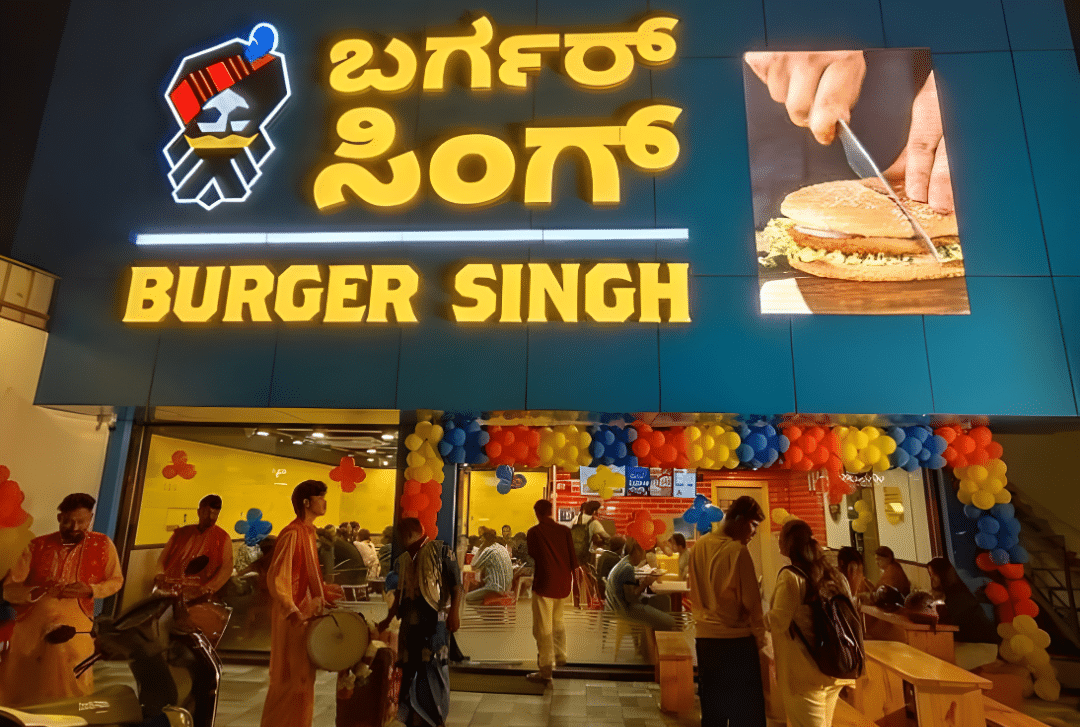

Burger Singh announced the successful close of its Series B funding round, raising INR 82 crore at a valuation of INR 520 crore. The round was led by Artal Asia Pte Ltd and the round saw participation from a mix of new and existing investors such as Negen Undiscovered Value Fund, Aurum Rising India Fund etc.
Focus on franchise-led growth
The company will use the funds to strengthen its systems and infrastructure to support a franchise-led growth model. While India’s quick-service restaurant sector has expanded over the years, it remains largely driven by company-owned or master franchise formats, with limited structured support for independent franchise operators. Burger Singh aims to address this gap.
Expanding franchise backbone
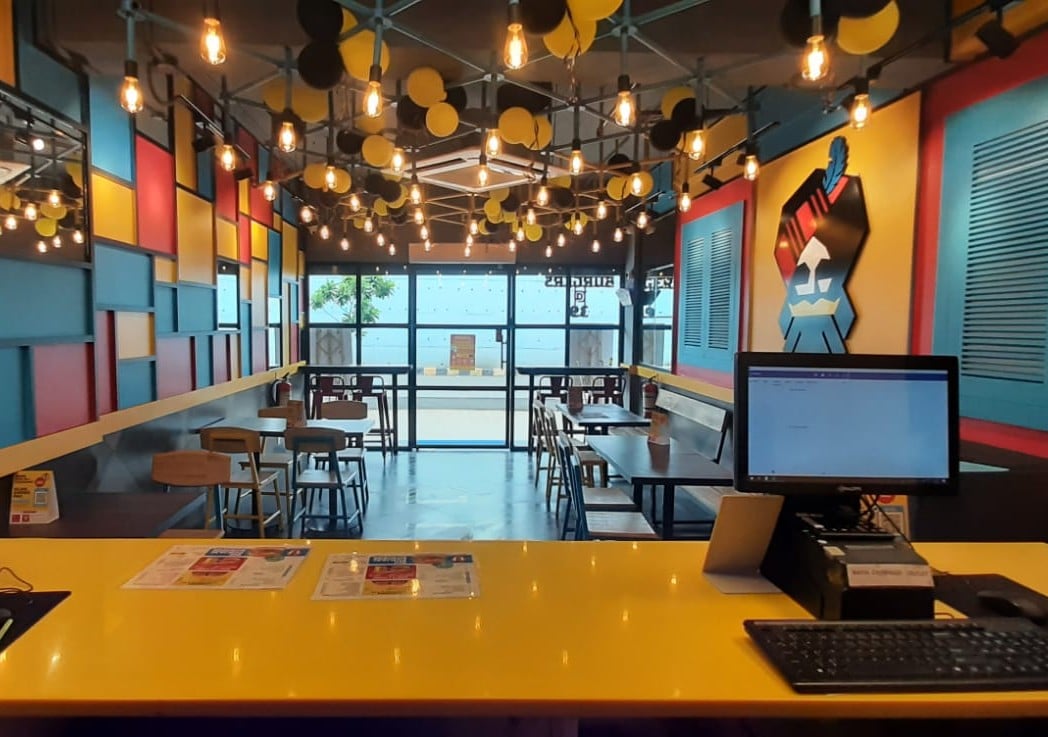
With 200+ stores already in operation, Burger Singh has built one of the strongest franchise backbones among homegrown restaurant brands in India. The new funding will be used to deepen the company’s franchise engine across store design, training systems, operating manuals, supply chain integration, technology, and on-ground market support, with the goal of making restaurant entrepreneurship in India more structured, scalable, and repeatable.
Business performance and growth
For FY 2024–25, Burger Singh recorded revenue of INR 117 crore, reflecting continued growth across both metro markets and emerging cities. The brand has built strong consumer resonance through its Indianised menu, accessible pricing, and a sharply differentiated brand voice, with products such as Nikku Singh, Udta Punjab 2.0, Churmur Pandey, and Bunty Pappeh Da Aloo becoming strong recall drivers in a crowded category.
Founder’s perspective
Kabir Jeet Singh, Founder and CEO of Burger Singh, said: “India has no shortage of entrepreneurs. What it lacks is enough high-quality operating platforms that allow those entrepreneurs to succeed in the restaurant business at scale. That is the gap we are solving. Burger Singh is building a franchise-first machine with the systems, supply chain, design standards, training, and operating discipline required to make store ownership more structured and more repeatable. We are not just opening outlets; we are building the platform Indian entrepreneurs can plug into to create successful restaurant businesses.”