
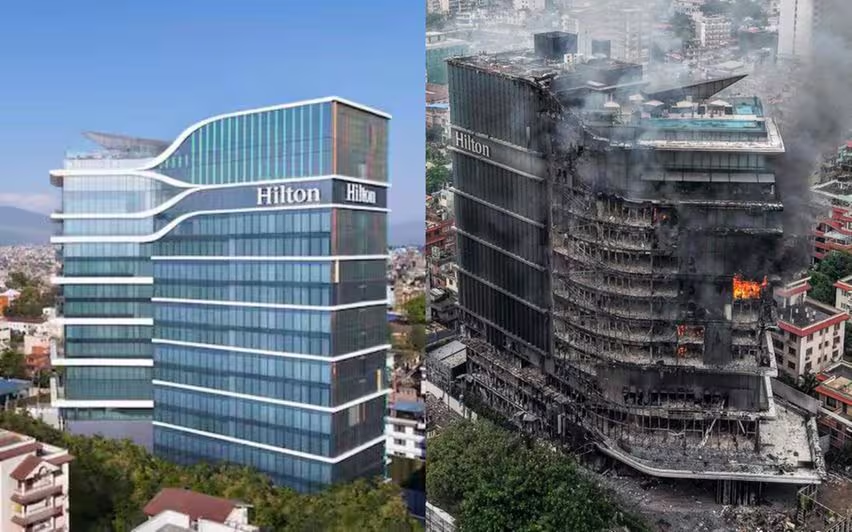
Hilton Kathmandu Hotel, the tallest in Nepal, was engulfed in flames on Tuesday during intense anti-corruption protests. Dramatic scenes of the multi-storey hotel charred and smoking have been widely reported, with windows shattered amid thick plumes of smoke rising over the capital city. Eyewitness videos circulating online capture the heartbreaking extent of the damage as protesters targeted what they see as a symbol of privilege and corruption. (Sources: Hindustan Times, Times Now, Times of India, Business Today)
Why the Hilton Became a Target
At the heart of the unrest is the Hilton Hotel’s partial ownership by the family of former Prime Minister Sher Bahadur Deuba. For protesters, the hotel isn’t just a building; it’s a glaring emblem of political privilege, nepotism, and decades of perceived corruption. This has made it a lightning rod amid a youth-led uprising demanding accountability and sweeping reform. The Kathmandu Fire Brigade has confirmed that much of the building’s infrastructure has been destroyed in the violent events. (Sources: Financial Express, Times of India, Hindustan Times)
Ministers Under Attack Amid Rising Tensions
The protests took a violent turn against political figures as well. Finance Minister Bishnu Prasad Paudel was physically attacked and chased by angry mobs, as confirmed by prominent video reports. These attacks underscore the raw frustration of Nepal’s younger generation, who are expressing their deep dissatisfaction with the political establishment. While some clips circulating on social media remain unverified, they contribute to a vivid portrayal of the turmoil overtaking the nation. (Source: Hindustan Times)
Army Steps In to Restore Order
With violence spreading, Nepal’s army assumed full control of security in Kathmandu. Curfews were imposed, and patrols have been intensified in an attempt to quell unrest and protect critical infrastructure. The situation remains fluid, and while the army’s presence brings some hope of calm, uncertainty lingers about the path forward for Nepal’s fragile political landscape. (Sources: AP News, BBC, Reuters, UN News, New York Times, News On Air)