1. What are the initial steps taken to streamline the efficiency of all systems and equipment deployed in the hotel?
A proper asset track sheet has been maintained, along with a preventive maintenance plan, and this is regularly monitored. Logs are maintained and monitored on a day-to-day basis whereby operational deficiencies are attended to then and there.
2. How the property uses IoT to its benefit, especially for the functioning and operation of its facilities?
We are considering the importance of this technology and may adapt it to our future systems.

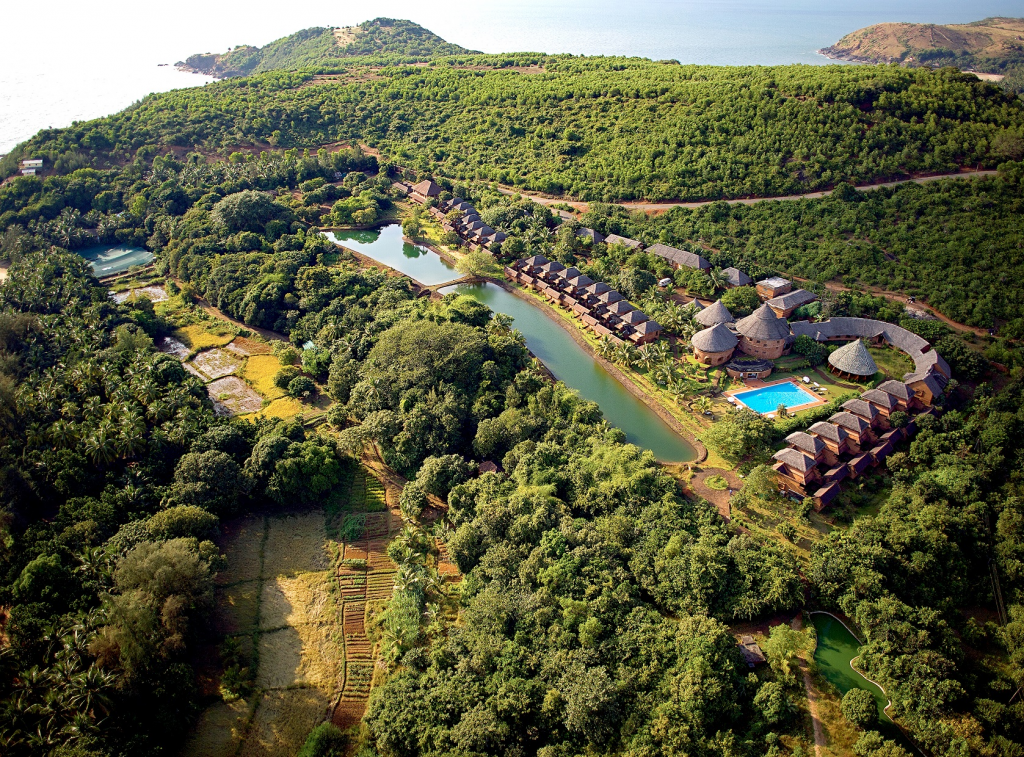
3. Elaborate on the sustainability initiatives undertaken by the team that had an impact on business. Man-made Rainwater harvesting lakes/ponds that are a part of the resort’s landscape SwaSwara, a CGH Earth resort, propounds the philosophy of preservation and reinvention. Freshwater is a scarce resource here and we have adopted rainwater harvesting to make us self-sufficient, implementing this system in a local school too. The rainwater harvesting system consists of three big reservoirs that can hold up to 18 million liters of water. This water which is collected during monsoons forms the only source of water for the rest of the year for all uses of SwaSwara. Several local species of fish feed on algae and mosquito larva and keep the lake clean. These rainwater harvesting ponds are integral to the main landscape of the property. These large water bodies double up as a beautifully serene backdrop for the villas.
Organic farming – All of our properties have a large portion of their land dedicated for organic farming where the local farmers are encouraged to come and farm on our premises. In the case of Marari Beach, 4 acres of land is dedicated for organic farming of indigenous vegetables and fruits and organic paddy cultivation. Organic farming is integral to CGH Earth, and we work closely with local governing bodies around our properties to engage in similar practices. The produce harvested finds its way into our daily menu.

Waste Management – We turn our wet waste into biogas and vermicompost, used as cooking fuel and manure respectively. Some of our dry waste is used in truly creative ways. Plastic bottles make for an attractive interim building material while paper cans, cups, and bottles are up-cycled into decorative items for various festivals around the year at each of our resorts.
Off The Grid – 75% of our power needs at Spice Village are met from solar energy harnessed on the property. Barring some heavy machinery used in the kitchen and laundry, we can proudly say that we are ‘off the grid’, thereby bringing down our electricity costs.

Replacement of plastic mineral water bottles with purified rainwater in reusable glass bottles – Brunton Boatyard, located in the historical town Fort Kochi is a 26-room property. Every year, we used to provide over 13,000 bottles (plastic) of packaged drinking water in the rooms. With the new facility, we hygienically package drinking rainwater that has been treated using microfilters and reverse osmosis technology. The glass bottles are sterilized before every use. We have replaced the plastic bottles in the rooms with reusable glass bottles through this initiative.

Elephant grass thatching in Spice Village – The cottages in Spice Village are drawn on the built forms of the tribal people of the Periyar Forest region, the Manan tribe. The indigenous roofing material for their homes has been Elephant grass. We have adopted the same roofing material and technique on our property. Every year, for more than 24 years, we have been dependent on the tribal community to rethatch our roofs. The number of tribal people living in the forest has reduced but their resource, elephant grass, has become a menace in the forest. Every year the forest department encouraged the tribal community to burn the grass, which often led to forest fires. This has been reduced to a minimum with the use of this grass for roofs in the resort. The demand has increased for a material which otherwise was turning into a big problem. The grass is bought through the eco-development committee set up by the government for the tribal community, and all the profits from selling this material go back to their community.
4. What are the common mistakes prevalent in the industry at the time of selecting and integrating various systems and equipment?
From the operational learning we have gained over the years and looking closely at the industry, we see that there are more efficient systems available. However, there have been occasions when we have chosen low-cost options looking at immediate cost-savings rather than long-term benefits. Noticing how this has adversely affected us in the long run, we have corrected our course.

5. With budgets coming under significant strain, how have you managed to continue on-ground operations without impacting guests or employee experiences?
The hospitality industry always believes that there is tremendous scope for improving day-to-day operations. Therefore it is a collective responsibility of the entire team to come out with innovative ways to cut down on wasteful expenditure. Improvisation in operations by deploying multi-skilled manpower is another area that CGH Earth has adopted. Needless to say, our constant aim is to upgrade utility equipment with next-generation energy-efficient ones, thereby saving energy, especially in the older properties


6. How did you develop an engineering budget and operating strategy that is aligned with your property business strategy?
Most of CGH Earth’s hotels and resorts are constructed in line with local architecture and traditional methods of construction. It is also built on an ecosystem that has a symbiotic relationship with the local community. A lot of our planning, around the maintenance of our properties, depends on a constant dialogue with experts from the community. For example, the thatching of the roofs of our villas at Spice Village, SwaSwara, and Marari Beach, is planned well in advance, where we procure the raw material when it is available in the market in plenty at lower rates. The thatching is executed during a lean time when the local workforce is available. We have peak and lean periods of guest inflow throughout the year. Maintenance activities are carried out during the period when we have low guest inflow, ensuring that our top-line revenue is not affected.


7. What Kind of long-term preventive maintenance and 10-year asset protection plans are you currently executing for your property
At CGH Earth, we plan our preventive maintenance activities on a 52-week-schedule basis, wherein it incorporates manufacturers’ recommendations for monitoring. Asset protection and monitoring of the efficiency of equipment are conducted internally and externally every year. Based on the performance and energy efficiency of the equipment, systems/machines are either upgraded partially or a complete revamp is carried out.