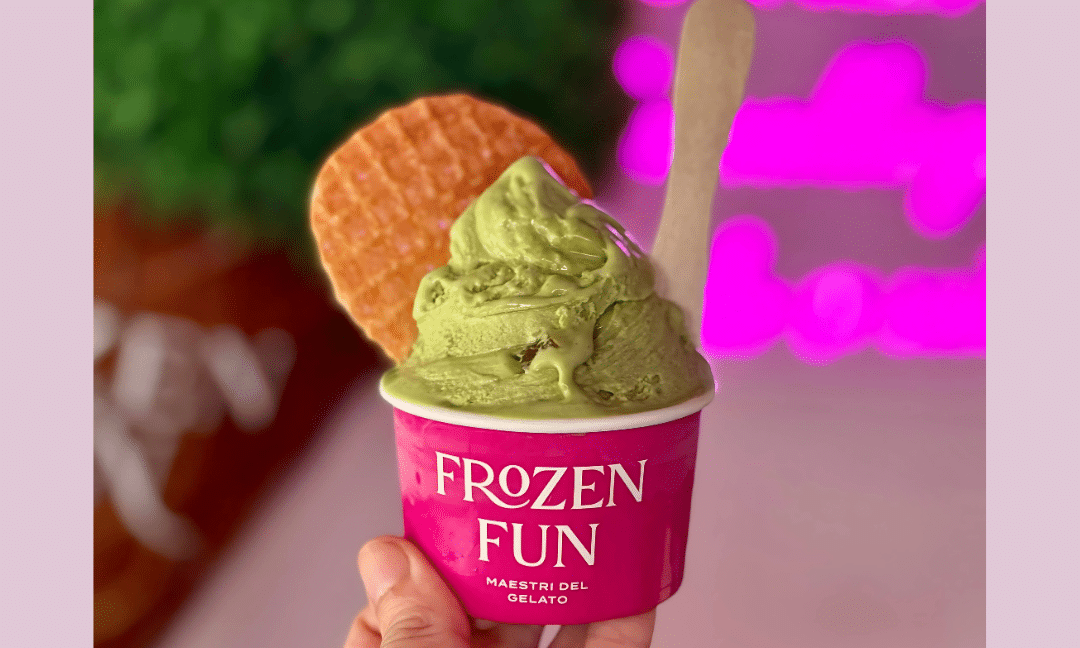

Matcha has seen a sharp rise in popularity recently, largely driven by the growing consumer focus on health, wellness, and mindful eating, and hotels are jumping on the bandwagon.
Health first
One of the key reasons behind the surging popularity of matcha is that guests are increasingly seeking out ingredients that not only taste good but also offer functional health benefits. Matcha, being rich in antioxidants like catechins, along with its calming-yet-alert energy boost, has found favour with health-conscious travellers. Additionally, social media has played a role, with matcha’s striking green hue making it visually appealing and highly shareable. It also aligns well with the growing demand for plant-based, clean-label, and artisanal food experiences.
“We have seen a major shift in what guests are asking for these days—healthier options, mindful ingredients, and beverages that do more than just taste good. Matcha ticks a lot of those boxes. It’s rich in antioxidants, gives a smooth caffeine boost without the jitters, and has a clean, earthy flavour that’s grown on a lot of people. Social media has played its part too. Its versatility has also made it a favourite in the F&B industry—appearing in everything from artisanal lattes to gourmet desserts,” says Ranjan Rajani, Corporate Chef, Sahara Star and Aamby Valley City.
Matcha musings
Matcha is making its way into many non-traditional dishes as well. Matcha has truly gone from a traditional tea ceremony staple to a global culinary sensation and is having its moment on menus everywhere. While matcha teas and colourful bobas have become almost expected, chefs are now whisking its vibrant green colour and earthy notes into more surprising creations: from silky lattes and creamy gelatos to delicate pastries and even savoury sauces. It’s the perfect blend of wellness and indulgence, catching the eye and the camera of guests who crave something both mindful and memorable.
At Novotel New Delhi City Centre, the team embraced this trend in their own playful way with a Matcha Cheesecake, a twist that truly stands out from the usual matcha fare. “It’s a dessert that surprises and delights: the creamy richness of classic cheesecake elevated by the subtle, sophisticated depth of matcha. What started as a creative experiment on our menu has quickly become unexpectedly popular among our guests, turning into a signature favourite. It is proof that today’s diners love discovering something fresh, global, and just a little bit adventurous, especially when it combines comfort with an unexpected twist,” explains Umesh Singh, Executive Chef, Novotel New Delhi City Centre.
Calming factor
Matcha is not just a trend; it has a sense of calm and tradition that people can connect with. It blends wellness with ritual, and whether served the classic way or with a modern twist, it is something that feels both timeless and relevant.
Rahul Ravindran, Beverage Manager, Fairmont Jaipur, explains, “At our pan-Asian restaurant, Zarin, matcha is central to our curated tea ritual, thoughtfully integrated into the dining journey. Guests can enjoy matcha prepared in the traditional Japanese style, both hot and cold, using ceremonial techniques that emphasise harmony, respect, purity, and tranquillity. Served alongside dishes inspired by Asian heritage, our matcha offering isn’t just a drink but an immersive, sensory moment. From the bamboo whisk to the chawan bowl, every element reflects authenticity and care.”
Siddharth Ravindran, Pastry Sous Chef, JW Marriott Hotel Bengaluru, adds, “Our culinary team at UNO Izakaya has embraced matcha in creative ways that pay homage to its Japanese origins while satisfying changing international preferences. Our Matcha Crème Brûlée is a particularly good example, combining the creamy decadence of the traditional French delicacy with the earthy bitterness of ceremonial-grade matcha and a faint flavour of ginger. A sophisticated, East-meets-West creation that has gained popularity among guests.”

Not a fad
While some ingredients ride brief trend waves, most industry experts believe that matcha is here to stay—especially within wellness and hospitality spaces. “Its benefits are backed by tradition and science, and it fits well with the broader movement towards mindful, health-supportive dining. Like coffee or turmeric lattes, it may evolve in its form and presentation, but matcha’s inherent appeal will endure. Particularly in properties like ours, where guests are seeking restorative experiences close to nature, matcha complements that narrative beautifully,” says Arindam C Bahel, General Manager – Operations – and GM, The Fern Hotels & Resorts.
Incidentally, their in-house restaurant, Whistling Pine, serves Himalayan Matcha Latte, a comforting blend of ceremonial-grade matcha, almond milk, and a touch of local organic honey, and an Iced Matcha & Lemongrass Fizz, a refreshing cooler combining matcha with lemongrass extract and sparkling water, perfect for the warmer afternoons. They also serve Matcha & White Chocolate Mousse, a light, airy dessert featuring matcha’s earthy notes balanced with creamy white chocolate and Matcha Almond Biscotti. They are currently also developing a matcha buckwheat pancake for their breakfast menu, pairing it with local berry compote.
Overcoming challenges
Matcha offers remarkable health benefits, but its growth comes with challenges. Authentic preparation is often overlooked, and rising demand may lead to quality inconsistencies across producers. As competition from other superfoods grows, maintaining standards and ensuring supply chain compliance with local regulations will be key to sustaining matcha’s success.
Amol Salunke, Pastry Chef, Sheraton Grand Pune Bund Garden Hotel, avers, “Unlike conventional ingredients, matcha requires careful pairing to avoid overshadowing or clashing with other elements. Its slightly grassy, deep notes do not always behave predictably in savoury formats. We have had to fine-tune our techniques, whether it is when to infuse or fold it in, or how to balance acidity and richness around it. That process has made our team more mindful and meticulous, which we see as a strength, not a constraint.”

As matcha manufacturing is so specialised, vendors’ quality can differ greatly. It is earthy and naturally bitter; these flavours necessitate a careful approach when creating recipes to guarantee harmony and balance with other ingredients.
Contemporary audience
Today’s guests, especially Gen Z and millennials, are very health-conscious and actively look for ingredients that are both nourishing and interesting. Beyond being a trend, matcha offers real benefits: it’s packed with antioxidants, supports sustained energy, and pairs well with modern, lighter recipes. Matcha resonates with a new generation of conscious diners who value both tradition and nutrition.
The idea is to move beyond just culinary use and introduce matcha as part of a larger wellness experience. Culinary storytelling begins with ingredients that speak to today’s values, such as wellness, sustainability, and discovery. Matcha gives hoteliers a canvas to explore that intersection. It is not just about tapping into a global trend but about reimagining it with integrity and intention.