
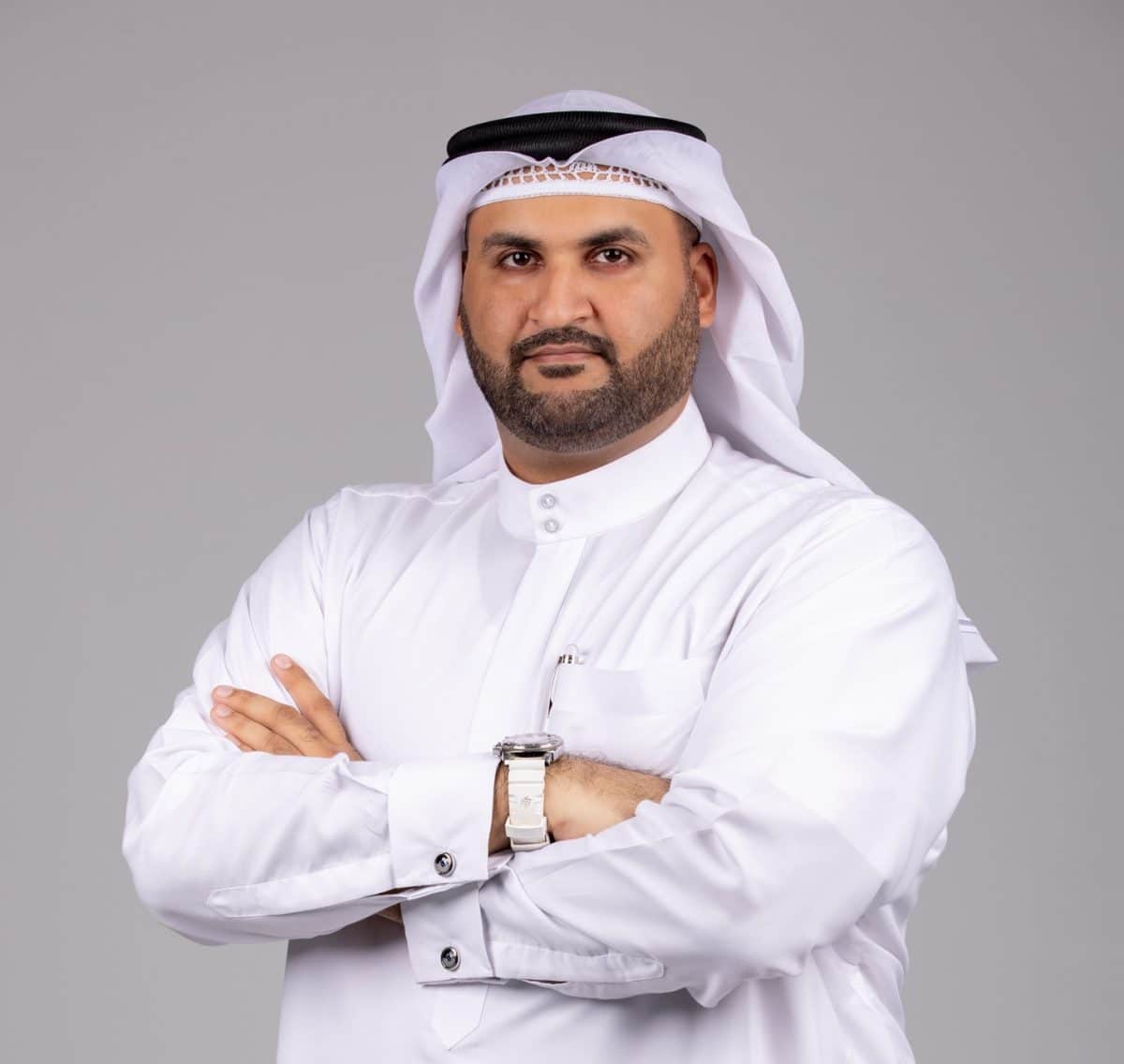
The growing tourist footprint in Dubai, especially of India, is a fascinating study. The UAE is ensuring the numbers increase and tourists get more than what they expect. And talking about it is Bader Ali Habib, Regional Head of Proximity Markets, Dubai Department of Economy & Tourism (DET). Since 2019, he has been leading DET’s tourism South Asia programs. South Asia is a major player in the tourist footfalls in Dubai (approximately 17%).
Bader has 11+ years of experience in branding and marketing and prefers bringing out his creativity to provide results. He leads DET in marketing strategy, communication, destination branding, and digital marketing. Excerpts from our interview with him…
Dubai has catered to almost 17 million international tourists which contributes to 19% of its economic growth. What are the triggers behind this surge?
First and foremost, the steps the Government and leadership have taken through the pandemic and post-pandemic build a lot of confidence for people in terms of businesses and Dubai is a place to further excel in your growth in life and career opportunities.
What this pandemic has also done is build a lot of agility in the way we think. With the golden visas, we’ve been able to show people that they might as well come and live here. A lot of people chose Dubai, not just because it served their business needs but also gave them a lifestyle that their places could not offer.
From a tourism perspective, we were the first city to reopen after the pandemic. We decided not to close the city. So, it was very smartly done. Plus, we kept opening new hotels and attractions. People are looking at Dubai as a destination to come back and do different things. The average length of stay is also growing.
Dubai’s F&B culture is also becoming big. What has led to these innovations?
Again, this goes back to the fact that Dubai is very multicultural. Dubai is also easy to set up your business. From a gastro perspective, we have over 13,000 restaurants and cafes in Dubai today. That’s one of the highest for a city. Restaurants don’t open just for the heck of it. There is profitability. Also, when it comes to food delivery apps, they’ve propelled a lot of people to eat outside. Through the pandemic, the culture of ordering kicked in. And it stayed. There are a lot of cloud kitchens as well.
Also, when it comes to diversity, the place has become the testing bed for people. From India, many of your top restaurants, if going global, look at Dubai. I think that’s the USP of Dubai. We’ve given them that comfort because you’re also addressing a different cohort every time.
And Dubai’s been built in a way that you won’t find certain areas meant for the rich. Within the same place, you’ll find a Michelin restaurant. Beside it, you’ll find a nice, casual eatery opened by a new mom who wanted to try something different.
We are regarded as one of the top gastro destinations in the region.
India has always been a dominant market. What keeps drawing Indians to Dubai?
Number one is the way Dubai has positioned itself as a safe and tolerant city. Indians have been coming to Dubai for over a century. Hospitality is in the Emirati DNA. We’ve been hosting expats for many years. Today, the Emirati population is no more than nine or 10% of the UAE population. And yet we remain very peaceful.
With India, connectivity has always been strong. Until last year, we were connected to 22 cities. With Surat, it’s 23. Indians don’t need to think twice.
Third, the visas have always been very timely for Indians. Generally, Dubai has always been easier on visas. On top of that, we recently launched the five-year multi-tourist visa. And Indians would potentially be the biggest beneficiaries of that. Because of the proximity, we know Indians would keep coming. You guys are a culturally rich country. So, you have so many regional holidays. People tend to take extended weekends. If you have this five-year multi-tourist visa, you can always decide to book a ticket, shop at the airport and then fly in the next five hours.
The local Indian population has also helped. They’ve been ambassadors for Dubai all these years. You see so many influencers from Dubai being followed by Indians. Indians know what’s happening in Dubai through their eyes.
How does 2024 look as far as the Indian market is concerned?
There are three areas we want to focus on this year. Number one, we want to increase stopovers. The volume of Indians coming via transit in Dubai into the West is immense. Many are still not coming to the city. We’re building strategies to attract more Indians to spend a minimum of one night.
The second would be the luxury segment. We’ve seen a lot of luxury movements happening in India. But there’s a lot more still happening in Dubai. We want to make sure we can keep giving that exposure to Indians in terms of ultra-luxury hotels, bespoke concierge services, ultra-luxury experiences, Michelin-starred, and bespoke gastronomic experiences.
And the third would be the further penetration into tier 2 and 3. India is big. We know the money is distributed in the pockets of India. So that effort will continue moving forward.
And how are you going to manage the visas for them?
Today, you already have a stopover visa of 96 hours. Emirates and BFS have introduced new applications for a pre-approved visa. If you are a US visa holder, you can go online and get your Dubai visa approved. You don’t have to queue for another visa.
A stopover visa is cheaper because it’s only for four days. It’s convenient now because you can apply for it online. For the stopover segment, we’re running a global campaign in all markets, and India is one of them. We’re showing people how much can be done in Dubai, whether you’re looking for adventure, shopping, gastronomy or relaxation.


.jpg)