
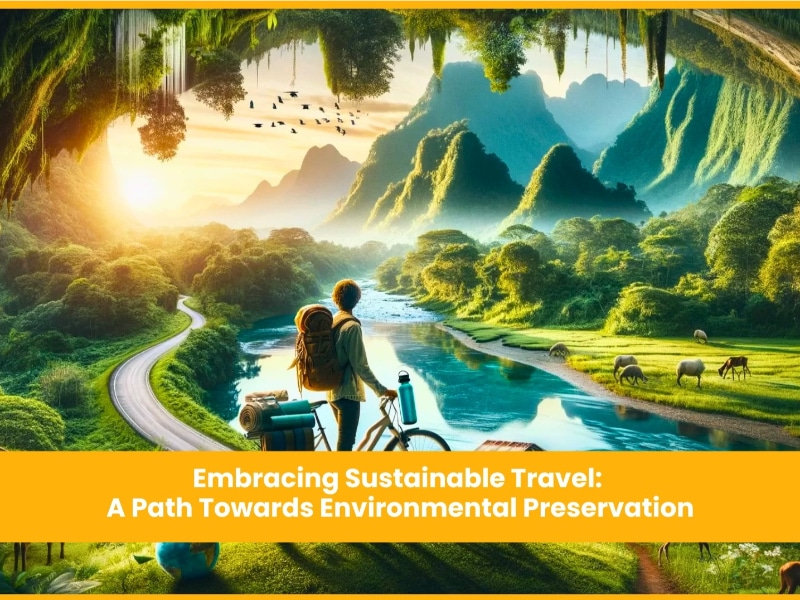
Sustainable travel has emerged as a crucial endeavour in today’s world as the tourism industry grapples with its environmental impact. From carbon emissions to the disposal of plastic waste, the footprint of travel is significant.
According to the United Nations World Tourism Organization (UNWTO), global tourism accounts for approximately 8% of total greenhouse gas emissions, and on average, a hotel guest produces about 1.5 kilograms of waste per day, contributing to the 1.3 billion metric tonnes of global waste generated annually by the tourism sector (UNEP).
By adopting sustainable practices, travellers can contribute to environmental preservation and support local communities worldwide. Sustainable travel can significantly reduce carbon emissions. For instance, a study by Transport & Environment found that taking public transport instead of personal transport for a holiday can cut emissions by up to 90%.
“The future of travel lies in our ability to embrace sustainability and responsible tourism practices. Every journey we take should leave a positive impact on the planet and its inhabitants.” – Jane Goodall, Primatologist and Environmentalist.

Sustainable travel practices that travellers must adopt:
- Opt for eco-friendly accommodations: Consider staying at hostels or eco-lodges that prioritise sustainability. Sharing a room with fellow travellers not only fosters a sense of community but also reduces energy consumption. With fewer rooms to cool or heat, hostels consume less electricity, resulting in lower carbon emissions.
- Pack light and wisely: When packing for your trip, opt for reusable and eco-friendly items, such as refillable water bottles, bamboo utensils, and cloth bags. Minimise single-use plastics and choose durable, long-lasting products that can be reused throughout your journey. By packing light, you’ll also reduce the weight of your luggage, resulting in lower fuel consumption during transportation.
- Utilise public transport: Instead of relying on private vehicles or taxis, explore your destination using public transport, such as trains, or buses. Public transportation systems not only reduce traffic congestion but also help minimise air pollution and greenhouse gas emissions. Embrace the opportunity to immerse yourself in the local culture while reducing your environmental impact.
- Respect nature and wildlife: Practice responsible wildlife viewing and outdoor recreation by following established guidelines and regulations. Avoid activities that exploit or harm animals and ecosystems, such as riding elephants or collecting souvenirs made from endangered species. Leave natural habitats undisturbed and take only photographs, leaving behind nothing but footprints.
- Educate yourself and others: Stay informed about the environmental and social issues facing your destination and strive to be a responsible traveller. Share your knowledge and experiences with others, encouraging them to adopt sustainable travel practices. As Mahatma Gandhi once said, “The earth provides enough to satisfy every man’s needs, but not every man’s greed.”

Conclusion: Sustainable travel is not merely an option but a responsibility that each traveller bears. By adopting eco-friendly practices, supporting local communities, and advocating for environmental conservation, we can safeguard our planet’s natural wonders and ensure a brighter future for generations to come. As travellers, let us embark on a journey of exploration and discovery while leaving a positive impact on the destinations we visit.
“Sustainable travel isn’t just a trend; it’s a necessity. We must protect the places we love to visit and ensure they thrive for generations to come.” – David Attenborough, Naturalist and Broadcaster.