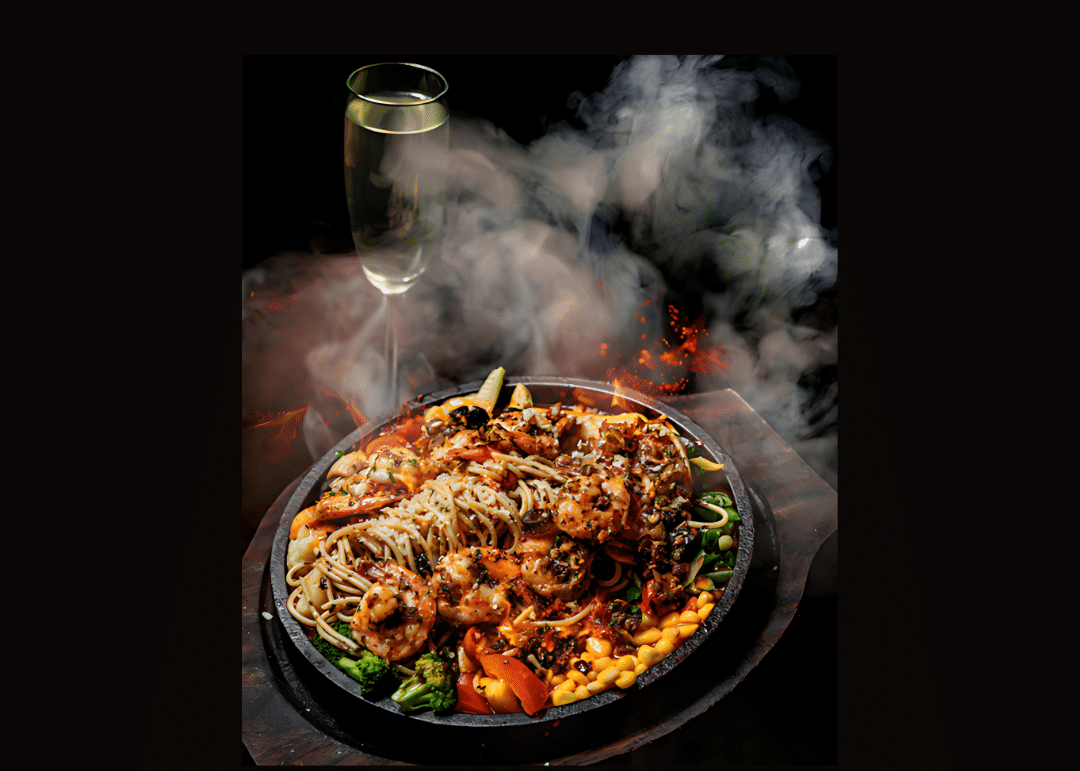
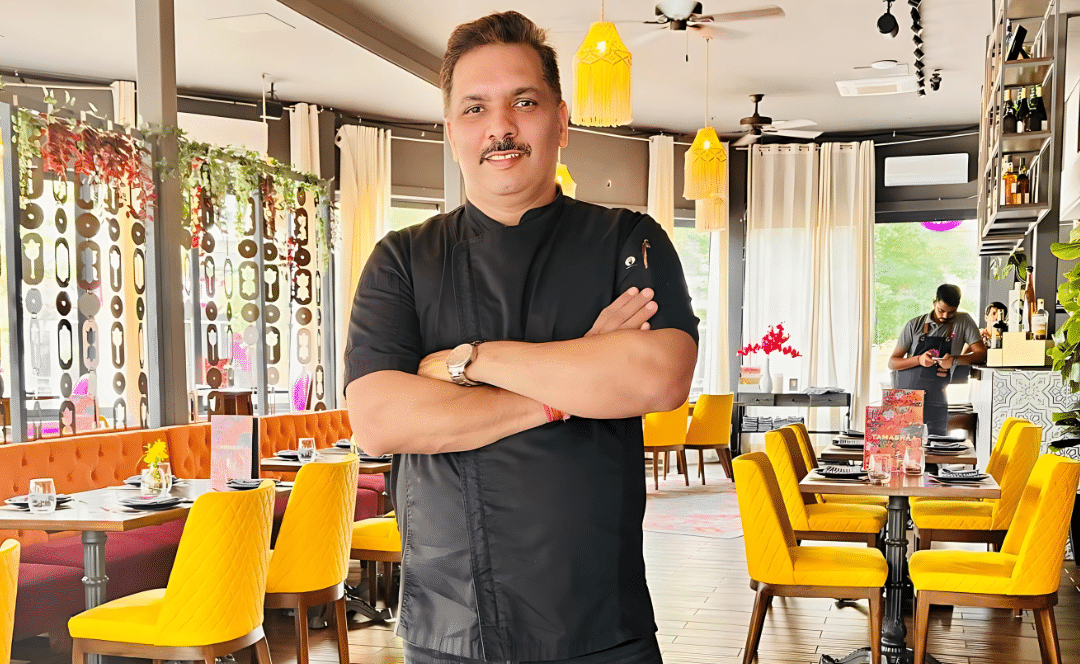
Over the past few decades, Indian culinary professionals have emerged as dynamic pillars of the global food scene, transforming palates far beyond South Asia. From Michelin-starred restaurants in major capitals to popular pop-ups in suburban neighborhoods, “desi talent” — chefs and restaurateurs of Indian origin — are riding a powerful wave of culinary innovation, cultural pride, and entrepreneurial ambition.
1. A Rich Culinary Foundation
The roots of Indian cuisine run deep, woven with centuries of spice trade, imperial patronage, and regional diversity. From the fiery curries of Tamil Nadu to the delicate kebabs of Lucknow and the aromatic biryanis of Hyderabad, India’s culinary tapestry offers an unparalleled reservoir of flavors, techniques, and traditions. This rich foundation gives Indian chefs a distinctive edge abroad, allowing them to introduce depth and authenticity into dishes that draw both curiosity and admiration from diners seeking novel taste experiences.
2. Professional Training and Global Exposure
Many Indian cooks and chefs today benefit from formal training at prestigious institutions like the Culinary Institute of America, Le Cordon Bleu, or India’s own Institute of Hotel Management. Supplemented by apprenticeships in fine-dining restaurants across London, Dubai, New York, and Sydney, they bring back a fusion of classical European techniques and refined sensibilities sharpened by global culinary discourses. This dual expertise empowers them to elevate Indian cuisine from textbook stereotypes to contemporary artistry.
3. The Rise of Regional and Street Food Concepts
While fine dining earns accolades, Indian street foods and regional cuisines are flourishing in casual settings worldwide. In cities like San Francisco, London, and Melbourne, one can find vada pav stalls, dosa corners, chaat cafés, and paratha food trucks helmed by Indian chefs aiming to replicate the vibrant street scenes of Mumbai, Delhi, and Kolkata. This casual renaissance is part of a cultural mission to break the ubiquitous “curry-in-a-hurry” stereotype and spotlight India’s diverse, approachable food culture.
4. Entrepreneurial Spree & Diaspora Ambitions
Underpinning this culinary ascent is a powerful diaspora entrepreneurial spirit. Indian immigrants and expatriates, buoyed by networks of family funds, mentorship, and passionate community support, are launching startups centered on Indian food — ranging from ghost kitchens and delivery-first brands to packaged artisan sauces and digital cooking platforms. These ventures bridge cultural nostalgia and commercial opportunity, tapping into the global appetite for spice, authenticity, and novelty. Investors have taken note, pouring funding into scalable Indian food businesses that resonate with young, urban audience worldwide.
5. Educational Influence & Culinary Diplomacy
Indian culinary professionals are now a force in culinary education and cultural diplomacy. Roles as visiting chefs at culinary schools, curators of regional food expos, and organizers of spice masterclasses at global food festivals are reshaping perceptions — positioning Indian cuisine as a sophisticated, evolving, multifaceted world cuisine deserving of study and respect. Governments and trade bodies increasingly support these initiatives to boost tourism and spice exports.
6. Facing Challenges & Keeping Authenticity
Despite sweeping successes, Indian chefs abroad navigate unique challenges. They must balance expectations — catering to Western tastes while preserving authenticity, often amid misconceptions that all Indian food must be fiery or vegetarian. Ingredient sourcing can be tough: many rely on specialty spice importers or have to experiment to replicate flavors. Moreover, competition from fusion trends necessitates staying innovative without straying too far from the culinary ethos they champion.
7. Cultural Exchange and Adaptation
What began as a culinary export is now undergoing a vibrant cycle of adaptation. Diaspora chefs remix their regional Indian heritage with local ingredients and techniques from their new homes — think Goan tempeh vindaloo in Toronto, Punjabi-style tacos in London, or Kerala fish curries using Pacific fish in California. This two-way exchange enriches both cuisines and fosters cross-cultural understanding.
8. The Road Ahead: Sustainability & Next-Gen Talent
Looking ahead, the global Indian culinary scene is poised to embrace sustainability and conscious sourcing, echoing larger food industry trends. Young chefs, including those trained in India’s Agri-Food enterprises, are exploring farm-to-table models around spices, exploring heirloom grains, and championing environmental responsibility. Meanwhile, the next generation, shaped equally by digital media (food blogs, videos, social commerce) and traditional kitchens, are redefining what it means to be an “Indian chef” in the 21st century.
The rise of Indian culinary professionals on the global stage is more than just a gastronomic trend — it’s a cultural movement. It showcases the adaptability and passion of “desi talent,” its deep regional roots, and its ability to forge meaningful connections through food. As chefs transform kitchens worldwide, they carry stories of heritage, innovation, and community. From haute cuisine to street-level feasts, they are as much ambassadors as artisans — proving that India’s kitchens, both traditional and reinvented, are a thriving global force.