The Union Budget 2025 brings promising reforms to boost India’s hospitality and tourism sectors. With initiatives like expanding the UDAN scheme and promoting regional cuisines, the budget aims to enhance connectivity and encourage growth. These changes create opportunities for entrepreneurs and small businesses to thrive. Let’s hear from the experts about what these developments mean for the industry.
Simranjeet Singh, Director, CYK Hospitalities
The Union Budget 2025 marks the beginning of substantial financial reforms that are going to reshape the F&B consultancy and hospitality sectors. The expansion of credit guarantee coverage will provide better financial support for startups and small enterprises, reducing risks while paving the way for innovation. The strengthening of the role played by financial institutions will provide much-needed support toward funding early ventures to scale up quickly in the hospitality and food businesses.
The establishment of a dedicated startup credit ecosystem is a game changer, particularly for first-time women entrepreneurs and businesses from SC and backward communities, creating a larger scope of participation in the industry. In addition, simplifying access to credit could be a boon in itself, particularly with schemes such as the ₹2 crore loan initiative for women entrepreneurs that would encourage newer ventures and diversify and promote inclusivity in the F&B space.
It is in this context that the sector expects accelerated growth, decked in furtherance of enhancement of supply chains, going into the promotion of regional cuisines, and the development of the agriculture sector, all of which pave the way.
Krishna Rathi, Senior Country Director, India Subcontinent and MEA at Agoda
Agoda acknowledges and celebrates India’s exciting potential as a top travel destination and is enthusiastic about the tourism plans announced in this year’s Union Budget. The investment in recent years in infrastructure enhancements and destination marketing is undeniably paying off.
At Agoda, we see this reflected in a 22% year-on-year increase in inbound accommodation searches to India. With this year’s announced investments in the expansion of the UDAN scheme to connect 120 new destinations, enhanced support for homestays, and the development of top tourist destinations in collaboration with state governments, we’re hopeful that India will be able to sustain this momentum.
Especially as this comes on top of continuing positive trends like visa easements and inspirational destination marketing campaigns promoting India’s diverse experiences and attractions.
Ayu Tripathi, Director, Aahana Resort
We appreciate the government’s forward-looking vision for India’s tourism sector as outlined in the Budget FY2025-26 presented by Finance Minister Nirmala Sitharaman. The comprehensive measures announced demonstrate a clear commitment to strengthening tourism infrastructure and enhancing the overall visitor experience across the country.
The plans to develop 50 premier tourist destinations, along with the successful air connectivity to 120 new destinations, will enable an additional four crore passengers over the next 10 years to explore India, showcasing promising growth potential. The emphasis on diverse segments, including spiritual, religious, and medical tourism, suggests potential opportunities for varied tourism experiences across India. As industry stakeholders, we welcome these developments and look forward to contributing to India’s growing hospitality, travel, and tourism landscape.
Ajay Singh, Chairman and Managing Director, SpiceJet
This is a forward-looking, middle class-friendly budget that promises to boost spending, stimulate development, and set the stage for India’s growth in the coming years.
With the launch of a modified UDAN scheme that will introduce 120 new destinations and bring 4 crore additional passengers into the fold over the next decade, the aviation landscape in India is set for a transformative shift. This initiative will not only make air travel more accessible to remote regions but will also drive economic growth and tourism, further empowering local economies.
UDAN has proven to be one of the most successful schemes under the Modi government, and as the first private airline to participate, SpiceJet remains fully committed to actively supporting its continued growth.
Ashish Sidhra, Co-founder of Alike.io
The Indian Budget 2025, presented by Finance Minister Nirmala Sitharaman, marks a significant turning point for the country’s tourism sector. With a comprehensive and multi-faceted approach, the government aims to elevate the sector’s contribution to GDP to an ambitious 9-12%, aligning with global peers. This strategic initiative is set to enhance connectivity, upgrade tourist destinations, and simplify travel regulations, thereby attracting more visitors and boosting the economy.
The Modified UDAN Scheme is a cornerstone of this transformation. By introducing 120 new destinations and targeting an additional 4 crore passengers, the scheme will significantly improve regional air connectivity. This will not only make travel more accessible for domestic tourists but also attract international visitors to lesser-known destinations, thereby spreading the economic benefits of tourism more evenly across the country.
Public-Private Partnerships will play a crucial role in enhancing infrastructure and visitor experience at the top 50 tourist sites. By leveraging the expertise and resources of the private sector, these partnerships will create world-class tourist destinations that can compete on a global scale. This initiative is expected to increase tourist footfall, boost local economies, and create numerous employment opportunities in the travel and hospitality sector.
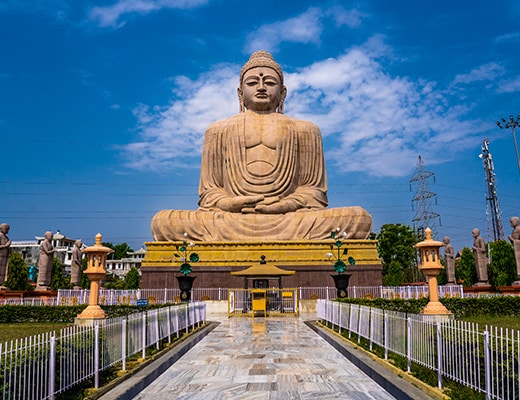
The focus on Spiritual Tourism, particularly the promotion of Buddhist tourism, is another significant step. By attracting international travelers from countries with significant Buddhist populations, this initiative will not only boost cultural and spiritual tourism but also foster greater international understanding and goodwill.
The ‘Heal in India’ initiative aims to strengthen India’s position as a global medical tourism hub. By promoting medical tourism in partnership with the private sector, the government is set to offer world-class healthcare services to international patients.
Employment growth in the travel and hospitality sector is a key focus of the budget. New initiatives aimed at generating jobs and strengthening the workforce will create numerous employment opportunities, supporting the overall growth of the industry. This is particularly important in a sector that was hard-hit by the pandemic and is now poised for a strong recovery. The extension of Mudra loans to homestays is a significant move to encourage local tourism. By providing financial support to small-scale hospitality businesses, the government is enabling them to thrive and offer unique, authentic experiences to tourists. This will not only boost local economies but also preserve and promote local cultures and traditions.
Finally, the introduction of visa fee waivers and e-visa options for certain tourist groups is a game-changer. By simplifying the travel process, these measures will make India a more accessible and attractive destination for international tourists. This is expected to significantly increase tourist arrivals and boost the overall revenue from tourism. The Indian Budget 2025 is a continued testament to the government’s commitment to transforming the tourism sector. With these initiatives, India is poised to continue its tourism growth story and further establish itself as one the world’s leading domestic and international tourism markets.
Manju Sharma, Managing Director, Jaypee Hotels & Resorts
We at Jaypee Hotels and Resorts commend the Government of India for the visionary ‘Heal in India’ initiative in the Union Budget 2025-26. This program, supported by a 20,000 crore rupee allocation by government, focuses on medical tourism and aligns perfectly with our wellness offerings at Tamaya Spa at Jaypee Greens Golf & Spa Resort, Greater Noida.
Our specialized treatments, including traditional Ayurvedic treatment, varioud kind of yogas, aqua based treatments and modern wellness services, position us to serve the growing medical tourism sector. The government’s emphasis on employment-led growth, improved amenities, and infrastructure harmonization will enhance the experience for medical tourists. We are actively developing partnerships to create comprehensive wellness packages, combining medical treatments like naturopathy combining with allopathy by a registered doctor with rejuvenating spa experiences. This holistic approach sets the stage for India to become a global leader in healthcare and wellness tourism.
In addition, the government’s plans to develop the top 50 tourist destinations across the country, with states providing land for hotel development, will significantly boost the hospitality sector. The focus on improving ease of travel, giving streamlined facilities, and potential visa fee waivers for select tourist groups will incentivize travel. The special emphasis on spiritual and religious tourism, particularly destinations related to Lord Buddha, will attract more visitors. These comprehensive measures will drive India’s growth as a premier tourism destination.
Jayant B Manmadkar, CFO, Brigade Group
The union government has presented a budget for inclusive development to accelerate growth. While there has not been any specific announcement for the real estate sector, the enhanced focus on UDAAN, which integrates smaller towns into the airline network and boosts tourism, will positively impact the hospitality sector. Streamlining the process and speeding up approvals for merger schemes and fast-track mergers will further benefit the industry’s consolidation.
Additionally, consistent overall policy framework aiming for an annual growth rate of 8%, compared to the current rate below 6%, is crucial for long-term success and achieving the targeted growth of the Indian economy. Additionally, the lowering of personal income tax will ensure higher disposable income, enabling tax payers to spend more on consumption, including buying homes.
Vishal Puri, Co-Founder, Spalba
The Union Budget 2025 has made promising steps forward for India’s startup and hospitality sectors. Heartening to see that some concrete steps have been taken to foster innovation, sustainability, and infrastructure development. Investments in tourism infrastructure and connectivity enhancements, like the development of greenfield airports and the modified UDAN scheme, should boost domestic and international travel. However, the quality of services at these airports, specifically with respect to the large number of cancellations needs to be controlled for these measures to be effective.
Including hotels in the harmonised tourism infrastructure scheme is a welcome move to support the sector’s expansion. Moreover, the ₹1 lakh crore Urban Challenge Fund promises to transform cities into growth hubs, aligning with the need for enhanced urban tourism experiences. We need to make sure that this fund is more effectively utilised than the older Smart Cities scheme.
We see some good initiatives for startups too, with an extended tax holiday, simplified compliance procedures, and increased funding through the ₹10,000 crore Startup India Fund. The focus on climate tech and digital innovations, coupled with reduced compliance and new R&D hubs, should catalyse growth and sustainability across sectors.
Rajan Sethi , Managing Director of Bright Hospitality
The Union Budget 2025 presents a promising roadmap for India’s hospitality and tourism sector, with a strong focus on infrastructure development, skill enhancement, and connectivity. The emphasis on developing the top 50 tourist destinations, along with streamlined visa policies and Mudra loans for homestays, will significantly boost domestic and international tourism. Initiatives like performance-linked incentives for states and skill development programs in hospitality will help elevate service standards and create new employment opportunities.
Furthermore, the expansion of the Udaan scheme and the development of Greenfield airports will enhance accessibility, making travel more seamless for tourists. At Bright Hospitality, we see these measures as a catalyst for growth, allowing us to expand our footprint and continue delivering exceptional culinary and hospitality experiences. We look forward to leveraging these opportunities to contribute to India’s evolving hospitality landscape.
Ritwik Khare, Founder and CEO, ELIVAAS
The Union Budget 2025 provides a significant boost to tourism and hospitality, with plans for the development of 50 top destinations and enhanced infrastructure. This presents exciting opportunities for us to redefine luxury villa experiences, not only in popular tourist hotspots but also in offbeat and emerging destinations across India and the world.
The government’s focus on improving connectivity through the Udaan scheme and easing visa facilitation will help elevate India’s position as a top global travel destination, ensuring seamless travel experiences for high-end tourists. The Budget’s emphasis on supporting startups through simplified regulations and increased access to funding will further enable our growth. As a startup in the luxury hospitality sector, these initiatives will strengthen our ability to innovate and offer exceptional vacation rentals in both renowned and hidden gems.
We support the government’s push for local employment and the development of hyper-local tourism to tap into the rich diversity of India, boosting local economies while offering travelers unique cultural experiences. We welcome these initiatives and look forward to curating exceptional stays that align with India’s growing appeal on the global tourism map.
Pardeep Kumar Siwach, DGM- Mayfair Spring Valley Resort
The government’s renewed focus on infrastructure, connectivity, and spiritual tourism aligns with our commitment to providing world-class hospitality in one of India’s most scenic and culturally significant locations—Northeast’s Assam. The emphasis on developing top destinations and the inclusion of hotels in the harmonized infrastructure list will further strengthen the hospitality sector.
Additionally, the promotion of medical tourism and the ‘Heal in India’ initiative will position India as a global wellness hub, attracting travelers seeking rejuvenation and holistic healing. We are excited about the potential tourism growth, especially with the focus on seamless travel experiences, destination-led employment generation, and a growing interest in wellness retreats and medical tourism.
Lucas Ramos, Senior Director, Travel & Membership – Asia, Pacific & India, Resorts Condominiums International RCI
Budget 2025 underscores the Indian government’s commitment to positioning tourism as a key pillar of economic growth, job creation, and global engagement. By developing top destinations in partnership with states, enhancing medical tourism through the ‘Heal in India’ initiative, and introducing visa reforms, India is strengthening its appeal as a world-class travel and healthcare hub.
The inclusion of hotels in the harmonized scheme and visa waivers for select foreign tourists further reinforce a comprehensive, future-ready travel ecosystem. With strategic policy alignment and private sector collaboration, this budget paves the way for India to become a more accessible, competitive, and thriving global destination.
Hussain Patel, Director, TripJack
The Union Budget 2025 reaffirms the government’s strategic vision to position India as a world-class tourism destination while driving employment-led growth. The initiative to develop 50 top tourist destinations in partnership with states, backed by improved infrastructure and inclusion of hotels in the infrastructure HML framework, will significantly enhance the country’s hospitality ecosystem. The emphasis on skill development through Institutes of Hospitality Management, easier access to MUDRA loans for homestays, and enhanced connectivity to tourist sites will empower local communities and entrepreneurs, creating sustainable employment opportunities.
Furthermore, performance-linked incentives for states to strengthen destination management—covering aspects such as tourist amenities, cleanliness, and marketing—will ensure a superior travel experience for visitors. The continued focus on spiritual and religious tourism, particularly destinations associated with Lord Buddha’s life and legacy, aligns with India’s rich cultural and heritage-driven tourism potential. Simplified e-visa procedures and visa-fee waivers for select tourist groups will also make India more accessible to global travellers, reinforcing its position as a vibrant and diverse tourism hub.
Promoting medical tourism in collaboration with the private sector in addition to capacity building and easing visa application norms will also provide a huge fillip to India’s tourism sector.
Aditya Sanghi, CEO of Hotelogix
I welcome the government’s commitment to enhancing tourism across 50 destinations linked to Lord Buddha’s journey. The expected influx of visitors will spur the development of new hotels and infrastructure.
It will significantly support India’s growing religious tourism, which is set to generate a revenue of about 59 billion by 2028 and create 140 million temporary and permanent jobs by 2030. Also, the proposed streamlined e-visa system and Visa fee waiver for tourists from select countries will promote inbound tourism as the country is getting ready to host 3%-5% more foreign tourists in 2025 vs. last year.
Priyanka Raju, Director, Kalyani Developers
The initiatives announced in today’s union budget for the tourism sector such as the Udaan regional connectivity schemes, collaborating with state governments to develop the top 50 tourist destinations, supporting airport and infrastructure development, promoting employment growth, organizing intensive skill development programs, providing MUDRA loans for home stays, offering performance-linked incentives to states for effective destination management, and issuing VISA waivers for tourist groups comes as a boost for the sector.
The focus on spiritual and medical tourism will further boost the sector. The extension of regional connectivity to 220 new destinations and the anticipated increase of 40 million additional passengers will create new opportunity for the hospitality industry by driving demands for accommodations, fnb and ancillary services. It will significantly contribute to making travel more accessible and affordable, while also bolstering local economies.
Sanjay Sethi, Managing Director & Chief Executive Officer, Chalet Hotels Limited
The Union Budget 2025 has outlined a set of impactful initiatives that will play a pivotal role in boosting India’s tourism sector, underscoring the government’s dedication to advancing the travel and hospitality industry.
Key measures, includian visa-free access for specific foreign groups, simplified e-visa procedures, and the expansion of the UDAN scheme to 120 new destinations, will greatly improve connectivity and ease of travel, benefiting both domestic and international tourists. The planned development of 50 key tourist destinations in collaboration with state governments is a game-changer, ensuring better infrastructure, improved connectivity, and world-class amenities.
This will not only elevate India’s global tourism competitiveness but also encourage private sector investment in the hospitality ecosystem. The government’s focus on medical tourism is another welcome move that positions India as a leading global hub for high-quality healthcare and wellness services, driving demand for hospitality and allied sectors.
More Importantly, putting extra disposable income in the hands of the consumer will boost overall consumption, as well as help in accelerating domestic tourism and increase demand for hotels and travel services. With tourism playing a critical role for employment generation and economic contribution, these measures will act as strong enablers for sustained growth.
Tarun Gulati, Director, Himalayan Hotels
The Union Budget 2025-26 brings encouraging news for the travel and hospitality sector, particularly with initiatives like the development of 50 top tourist destinations, visa fee waivers, and MUDRA loans for homestay businesses.
These measures will significantly boost tourism, enhance traveler experiences, and create new opportunities for hospitality entrepreneurs. The focus on infrastructure and ease of travel aligns with our vision at Himalayan Hotels to offer world-class hospitality while promoting sustainable tourism. We look forward to leveraging these initiatives to further elevate guest experiences and contribute to India’s growing tourism economy.