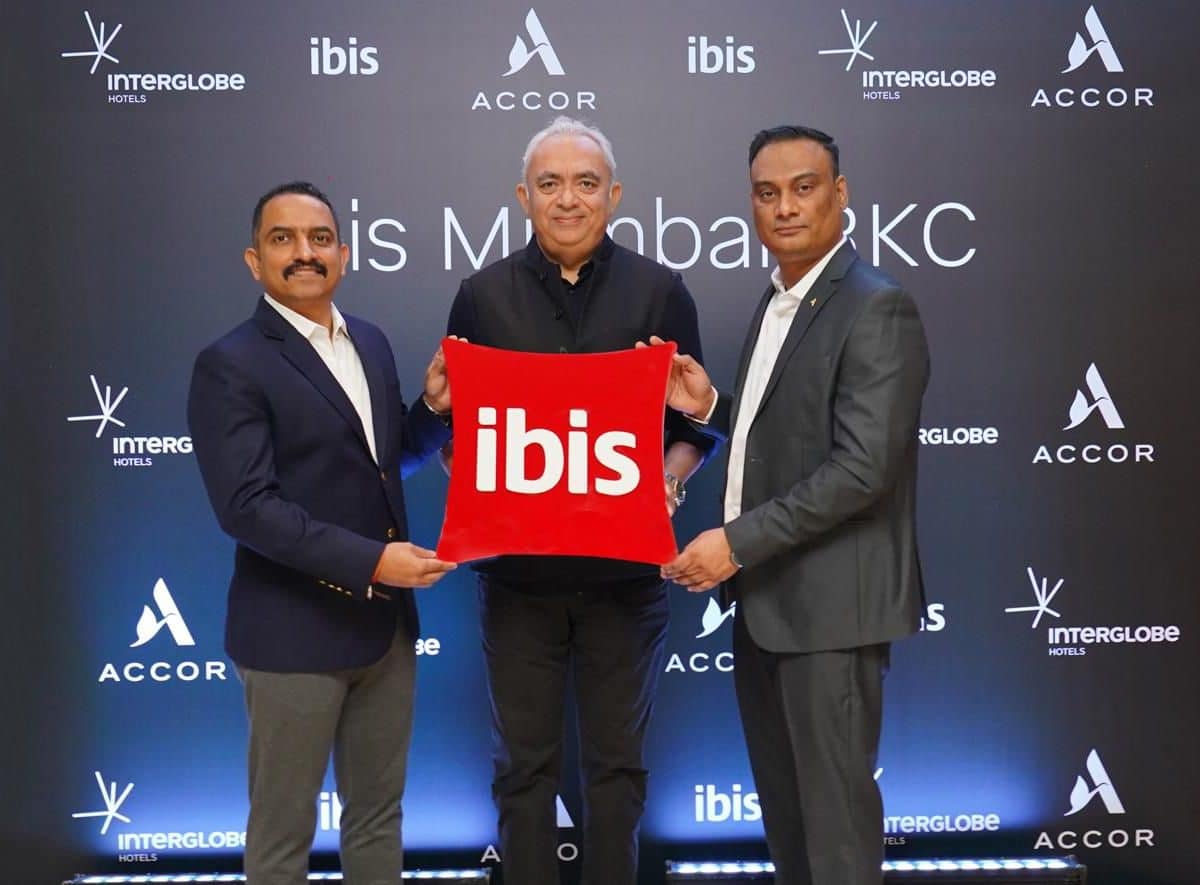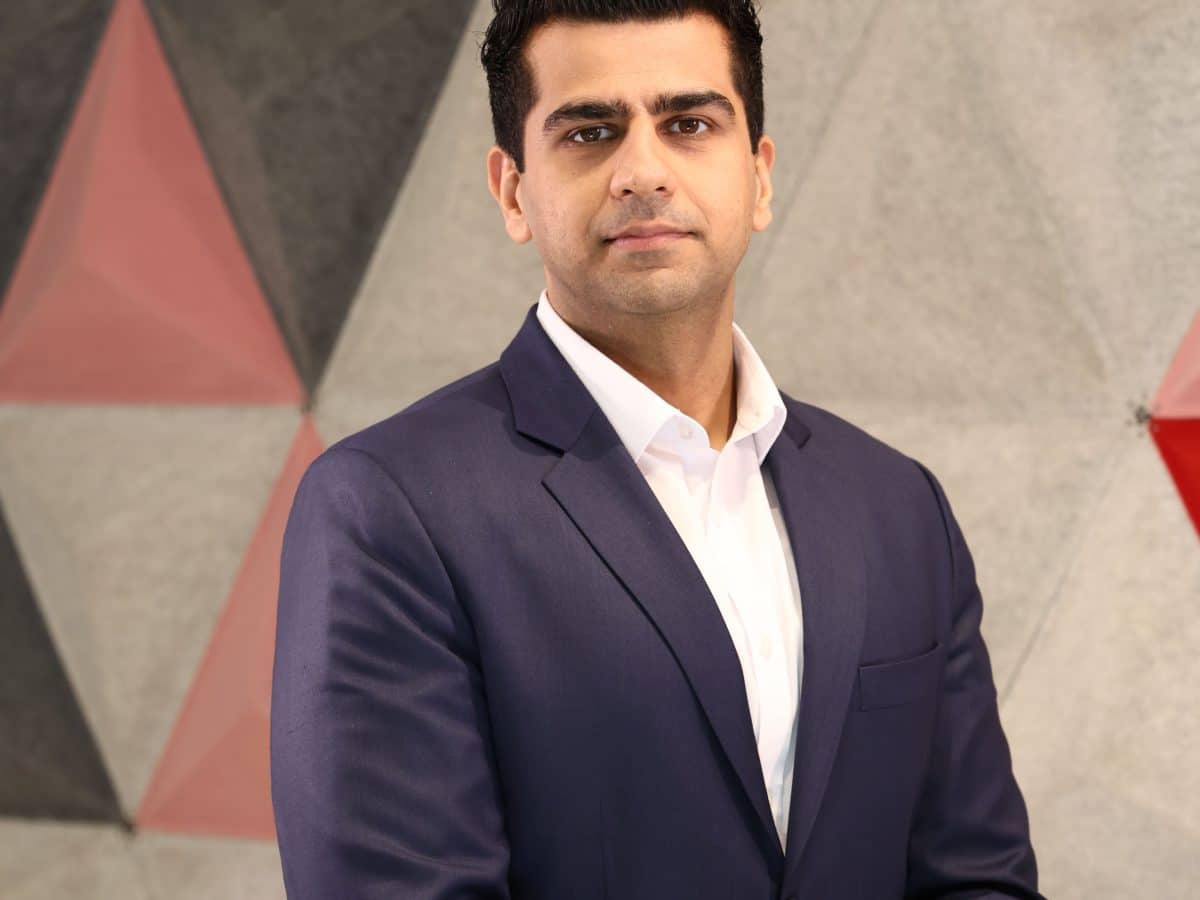
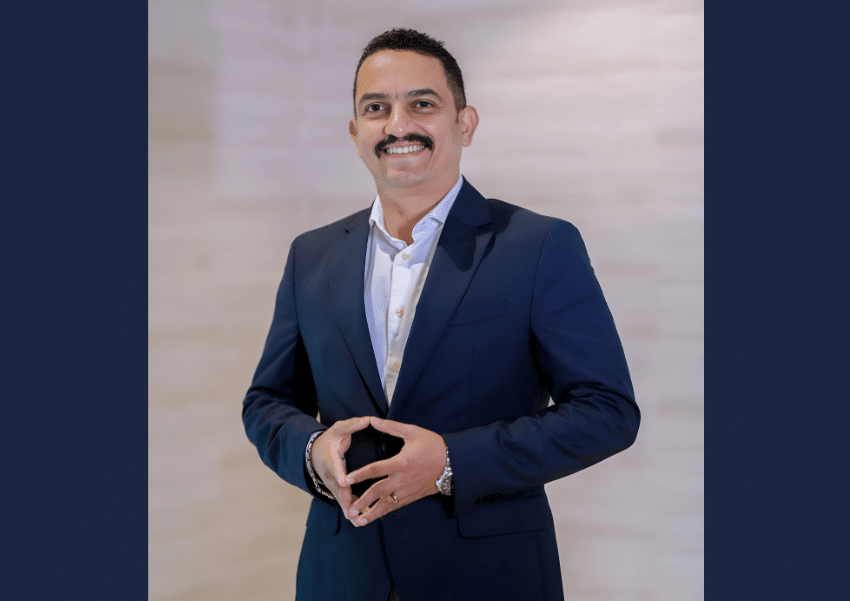
It was during the vibrant launch of ibis BKC Mumbai that we caught up with Tejus Jose — a man as grounded as the brand he represents. From behind-the-scenes discipline to sharp market strategy, Jose’s steady stewardship is helping ibis India navigate growth without losing its DNA.
With over 24 years of comprehensive experience in hotel management, Jose oversees the operations of 24 ibis hotels across 14 cities pan India.
Calm, measured, and quick to cut through fluff, Jose spoke to us about what it really takes to run a 25-hotel portfolio in today’s India. With a no-holds-barred appreciation for the evolution of the industry, an uncompromising emphasis on operational excellence, and an openness to embracing technological leaps, Jose is taking the ibis brand towards a solid and thrilling future.
The Post-Pandemic Reset: A Game-Changer for Hospitality
Reflecting on the industry’s past, Jose gives a sharp observation. “The industry, as such, has done well incrementally, year after year,” he notes, noting that growth before COVID used to oscillate between 3% and 8%. The pandemic, however, was a massive game-changer.
“When COVID hit, and when the rubber really hit the road, so to speak, it did create some very fundamental questions for many hotel owners and operators,” he states.
The biggest wake-up call? Project profitability was not enough; operating profitability had to be challenged. With high capital expenditure and expensive borrowing rates in India, breaking even before the next cycle of renovation became critical.
“Hotel development has always been a tough and hard-hitting industry,” he says.
COVID caused the sector to set the absolute minimum prices necessary to remain viable, justifying staff per hotel room and negotiating building costs.
“We maintained that, anything lesser than this minimum cost, was not worthwhile to do the business,” Jose states. Revenge travel and new price points, he believes, together revolutionized the entire industry dynamic, where profitability became a primary consideration rather than an aside.
“Profit was at the periphery. COVID aided us in framing that question.”
Catching the Tide: A Revived Appetite for Growth
The bounce, Jose says, boosted industry mood. “Now that we know what the formula was, we were willing to spend more money and build more hotels,” he says.
He points to a backlog of demand following a two-to-three-year hiatus in hotel development, post-pandemic, which has led to a stampede of new projects.
“Several factors are at work,” he goes on to say, pointing to both revived optimism and pent-up market potential.
Staying True to the ibis DNA
When queried how his leadership has transformed ibis, Jose responds in characteristic modesty.
“I don’t think we’ve changed,” he admits openly. What he does point out, however, is the brand’s good foundations, praising ibis’s original attempt to redefine midscale hospitality in India.
“It is reaping the fruits of its time and effort and energy invested over so long,” he remarks.
His top leadership priority has been to: Strengthen processes, so there is consistency in the 25-hotel chain.
Guest experience, consistency, hotel upkeep, acquisition of business, and customer retention are still his top priority on a regular basis for his staff.
Building Careers, Not Simply Filling Posts
Attracting talent is one of the industry’s significant post-pandemic challenges. Jose concedes as much but says ibis’s approach is different.
“You’re not coming on board to have a job. You’re coming because we’re providing you with career pathing,” he explains. Formal employee programs across various levels of employees — starting from entry levels to departmental heads seeking to become GMs — are utilized to foster development culture.
“It’s the intersection of two great things,” Jose states — company growth aligned with individual career growth.
Learning Across Brands and Borders
Jose has had a diverse career, having worked with hospitality giants Marriott and Hilton prior to coming back to Accor with ibis. In each experience, he has learned leadership lessons.
“Every company has its problems by virtue of its DNA,” he theorizes.
Rather than borrowing solutions from one company to another, he is a proponent of borrowing from business and life lessons and applying them to the situation at hand.
“What you learn in each company is how to manage them. The learnings are life lessons,” he states, offering a rich metaphor: “If you want to cook your rice too fast, rice can be raw at the top or bottom. That learning can even be used to cook an egg.”
Technology: An Enabler, Not the Core
Jose is candid about the role of technology in hospitality. “Technology is providing a solution to an issue. It’s an enabler and not the focal point of the business,” he says.
The industry remains bricks-and-mortar, but strategic adoption of technology is necessary. One of the highlight initiatives during Jose’s term has been the deployment of technology to monitor energy-consuming devices.
“When those devices are operating outside of the set ranges, it sends out an alert,” he explains.
From air conditioning in lobbies to walk-in fridges in kitchens, these monitoring systems alert inefficiencies and prevent both guest discomfort and energy waste. Around 50% of ibis hotels have installed this system, with others in progress.
“Even though it doesn’t solve the problem by itself, it enables us to detect the problem in the first place,” says Jose.
Pioneering Sustainability Initiatives
Apart from energy management, ibis India is also leading the way in monitoring food wastage.
“We are tracking food wastage as a measurable KPI, per guest in the hotel,” Jose reveals.
The idea is to eventually monitor food waste by category — protein, non-protein, raw, cooked — to create wiser procurement and service strategies. Not only does this benefit sustainability, but operational efficiencies also receive a boost.
Execution and Consistency: The Twin Pillars
Jose’s leadership philosophy is based on two broad strategies: “Execution and consistency,” he describes.
Whether it’s maintaining escalation matrices for maintenance alerts or creating a culture of anticipatory problem-solving, he reiterates that knowing a process is not enough.
“Execution is key,” he says.
Steady and Strategic Growth
With ibis’ growth, Jose has a practical vision.
“We are going after cities, not going too deeply into Tier 2 and Tier 3,” he believes. Growth will be calculated and will go into markets that are consistent with the brand’s midscale positioning.
The recipe for success of the brand, according to Jose, is getting the right blend of right-sizing investment, harnessing technology as an enabler, delivering guest experience consistently, and being grounded in profitability.
Final Thoughts
In a sector renowned for rapid change and high-octane action, Tejus Jose’s stewardship of ibis India is a breath of fresh air for steady, thoughtful progress. His focus on consistency, career development, and operational discipline — all with realistically embracing technological innovation — sets ibis up as a model for sustainable growth in India’s competitive midscale hotel sector.
As the hospitality environment keeps changing, one thing is certain: Under the guidance of Tejus Jose, ibis India is not only embracing change — it is spearheading it, with purpose and precision.