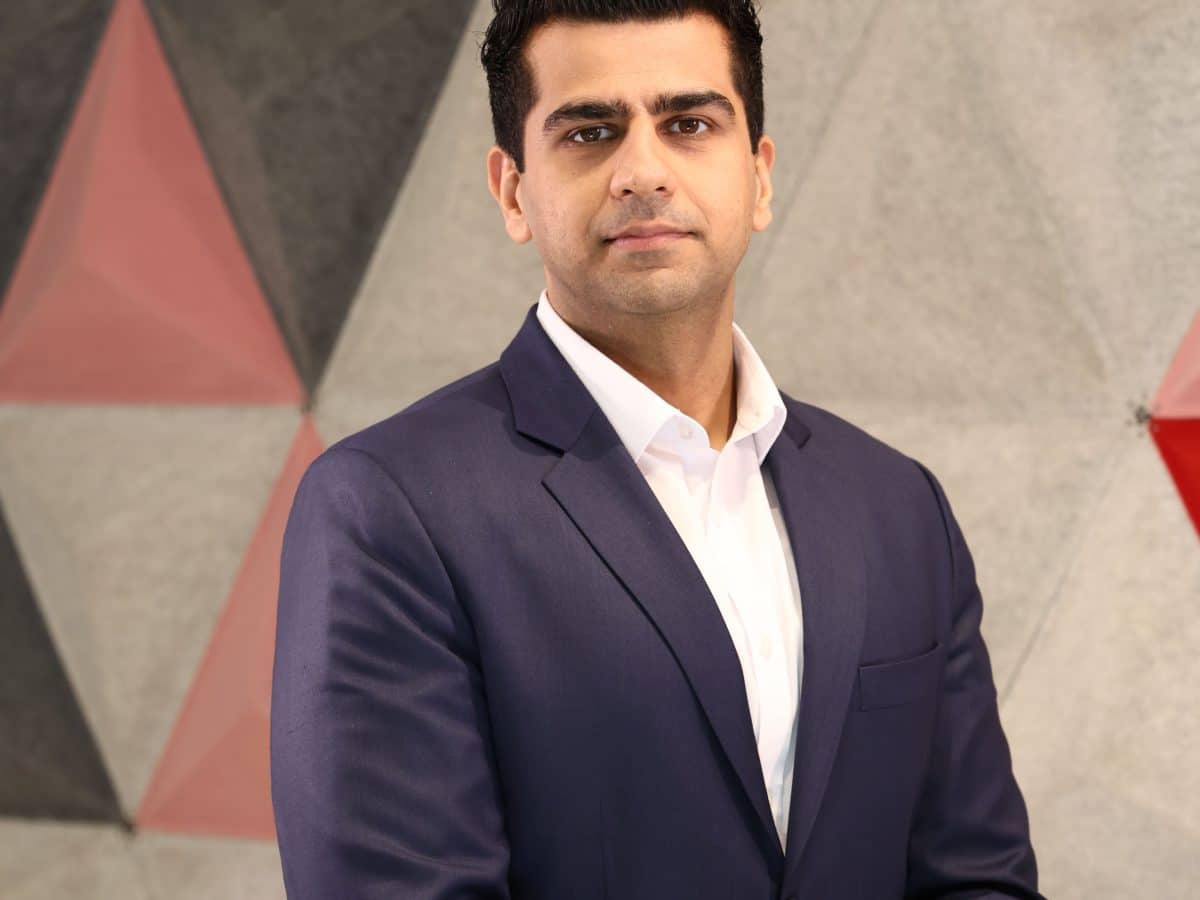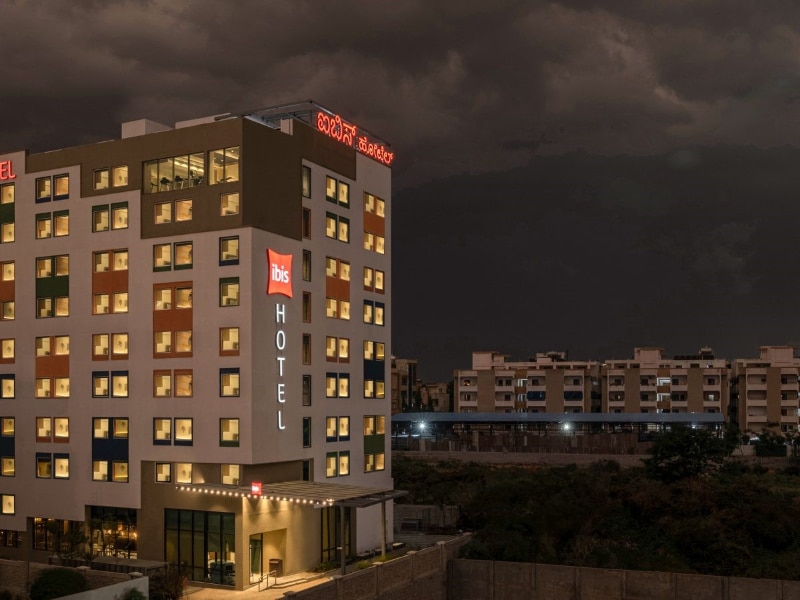

The buzz was palpable at the launch of ibis India’s 25th property at Mumbai’s bustling Bandra Kurla Complex (BKC). For JB Singh, President and CEO of InterGlobe Hotels, the milestone was more than just a number — it was a reflection of a brand that has not only stood the test of time but evolved with it.
With visible excitement, Singh walked us through the journey of InterGlobe Hotels and ibis India — a story of design evolution, strategic growth, and a steady eye on sustainability.
A Loyal Base and Prime Locations: The Foundation of Growth
“The brand has come a long way,” Singh opens. “Not just that, it’s got a massive customer following — almost 50-60% of our customers are repeat.”
Singh credits this loyalty to one of ibis India’s core strengths — consistently securing prime locations. “All our buildings are in AAA locations, in key districts across the country. That’s something we’ve stayed true to.”
As a development company, InterGlobe Hotels has evolved alongside the brand. “We’ve learned to build more efficiently — tighter spaces, more efficient use of capital. One of our key strengths is knowing how to build world-class hotels in tight urban spaces. Urbanization was growing, and we kept asking: How do we get deeper into city districts and still deliver quality?”
The newly launched ibis BKC stands testament — 206 rooms built on just a little over 1,400 square meters of land.

Design Evolution with Sustainability at the Core
Over the years, the ibis design ethos has evolved too. “Our designs have changed while keeping the DNA intact. Room sizes, offerings are the same, but more refined now,” Singh explains. “Building quality and materials have changed, and we’ve kept up.”
Working with top Singapore-based design teams, the brand has taken giant strides in embedding sustainability into every aspect of development and operations.
“Sustainability has become a very core pillar,” Singh says proudly. “We’re into green energy in Tamil Nadu, have solar rooftops across our properties, and our buildings — including this one — are IGBC-certified. Even hotels going in for renovations now undergo IGBC certification.”
From EV pickups and charging stations to cutting-edge energy management systems, Singh outlines a future-ready approach: “We’ve installed bots in seven of our hotels to maintain consistent temperature, helping conserve energy and extend building life.”
The group’s material sourcing strategy is also shifting: “We’re actively looking at sustainable materials — that’s our next phase. Initially, it may cost more, but long-term efficiency is undeniable.”
Bringing Culture and Art Closer to Guests
For a brand often associated with functional stays, Singh believes emotional connection matters. “We brought our customers closer to what they love — like music. We created ‘ibis Music’ to bring emerging artists into our hotels. It’s taken off well, with annual events now.”
Art is another dimension. “We work with top curators to bring emerging Indian artists into the hotel. The artwork you see? All from new artists. Each piece has a QR code — guests can learn more or even connect with the artist directly.”
For Singh, this isn’t just branding — it’s about making ibis hotels vibrant community spaces. “We don’t make money off it. It’s about supporting artists and connecting guests to local culture.”
Staying Compliant, Staying Strong
One of InterGlobe Hotels’ lesser-known but critical pillars is compliance. “Right from the start, we’ve focused on being rock solid on compliance,” Singh stresses. “That’s reflected across all our buildings.”
It’s not just talk. InterGlobe Hotels is a two-time recipient of the prestigious Golden Peacock Award — rare for an unlisted company. “Even financial institutions now rate us A-plus across the industry. That matters.”
Renovations Without Disruptions
As the brand scales, Singh emphasizes a smart approach to property upgrades. “We’ve built refurb cycles into our buildings. Refurbs happen on the go — no shutdowns.”
Aerocity, one of their flagship properties, will see refurbishment soon. “But these aren’t major renovations — just touch-ups to keep everything sharp.”
The ibis-InterGlobe-Acor Partnership: Built to Last
The partnership between InterGlobe and Accor, which brought ibis to India, remains one of the most successful joint ventures in Indian hospitality.
“Like any good partnership, it’s collaborative and rewarding,” Singh reflects. “Accor wanted a credible partner to grow in India. We wanted to enter hospitality. It was perfect — we both brought our strengths to the table.”
That learning curve has paid off. “We now build, operate, and expand faster. Our buildings are more efficient — like Hebbal and now BKC. We’ve perfected density and flow — critical for managing build costs.”

Navigating the Pipeline: Tier 1 Focus, But Tier 2 on the Radar
Is there a number target? Singh shrugs. “India’s hospitality market is thirsting for capacity. But we don’t chase numbers. We look at AAA locations.”
For now, the focus remains on densifying metros — Mumbai, Bangalore, Hyderabad, Pune. “We’re evaluating some tier 2 markets — but only if they cross the bar on investor returns. Healthy portfolio growth is key.”
He’s clear — no rushing into Tier 2 or 3 for the sake of trend. “Yes, there’s demand. But those markets still have to evolve. We’re careful about not creating portfolio drag.”
Talent: The Real Challenge Ahead
With hospitality booming, talent shortage is a hot topic — Singh doesn’t mince words. “It’s a national issue. Organized players like us will manage — with training, career paths, and a strong reputation.”
InterGlobe Hotels’ pandemic record — no retrenchments or pay cuts — helped retain staff. “Our attrition was better than the industry average post-COVID,” Singh notes. “People are central to us — and that’s true for InterGlobe and Accor.”
However, he flags a bigger, looming concern: “The real test is how the industry will build talent. It’s our responsibility. You can’t wait for talent to magically appear.”
Singh predicts India, with its large Gen Z population, could become a global talent hub. “We’ll see talent drain, as the world hunts here. It’s not far away.”
The Boom or a Return to Trajectory? Forecasting the Future
Has Indian hospitality truly hit a boom phase post-COVID? Singh has a more nuanced take.
“We ran the math. We’ve had a 2030 plan since 2015 — it gets refreshed every month. When we compared our 2018 projection for 2023, we’re exactly where we said we’d be, give or take 5-10%.”
In his view, what looks like a boom was just the industry getting back on track post-pandemic. “That 20-30% growth people saw — it was catch-up. Now, we’re back on the trajectory.”
Looking ahead, Singh sees steady, not explosive growth. “If GDP grows at 6-7%, the industry should grow 9-12%. But the real capacity build — not just changing badges — is key.”
For at least the next decade, Singh predicts demand will outstrip supply. “The industry’s still under-penetrated. That’s our view.”
High-Density Markets, Steady Growth
Aerocity leads their high-density success stories. “We have 450 rooms there. It’s a strong market — does very well for everyone, exceptionally well for us.”
Mumbai is another powerhouse, while Chennai and Goa remain softer markets. “Last year, we grew 14% — with some capacity addition. That’s good. But going forward, 10-12% growth is realistic.”
Singh is pragmatic. “Certain dense markets will outperform. Others — like Goa — may run flat.”
The Road Ahead: Steady, Sustainable, Strategic
As InterGlobe Hotels celebrates its 25th ibis, Singh is focused — the journey is far from over. “COVID gave us breathing space — we kept building while others paused. We opened Hebbal, Thane, Wagator, and now BKC. One more is under development, and we’re rebuilding the pipeline.”
For Singh, growth isn’t just about scale — it’s about balance. “Healthy growth, right locations, focus on returns, and sustainability — that’s what will keep us going.”
As the conversation wraps, Singh leaves us with a final thought: “This is a journey — and we’re just getting started.”