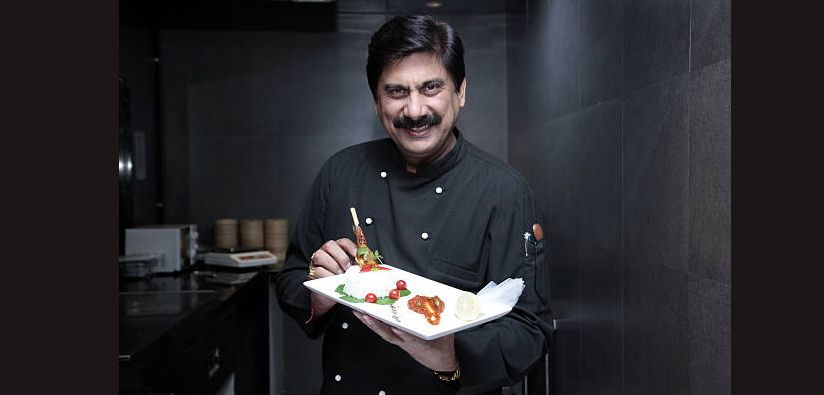
National award-winning celebrity chef, Chef Rakesh Sethi is one of the first chefs on Indian television. Currently, Corporate Executive Chef for Radisson Hotel Group, South Asia, Chef Sethi has also been a food show host for many popular cooking shows which contributed to him becoming one of India’s top celebrity chefs whose culinary skills have made him a household name across the Indian subcontinent and abroad.
Chef Sethi has had the rare distinction of working for erstwhile President of India, R Venkataraman as a Senior Cook for a short period on deputation in the President’s Estate. He has also cooked for two more Presidents of India – Ram Nath Kovind and Droupadi Murmu, apart from some other prominent personalities, politicians, bureaucrats, and players of Indian cricket team.
What inspired you to become a chef, and how has your journey evolved over the years?
Cooking has always been an integral part of my life. Growing up, I was inspired by the joy and togetherness food brought to my family. This passion ignited my curiosity about the culinary arts. My elder brother Vijay Sethi always encouraged me to pursue my passion into a profession and helped me enroll for a professional course in cooking. Over the years, my journey has evolved from mastering traditional Indian cuisines to embracing global culinary trends. From working in some of the finest kitchens in India to becoming a mentor and innovator in the hospitality industry, it has been a rewarding experience of learning, experimenting, and sharing.
How did your education at The Institute of Hotel Management, New Delhi, shape your approach to culinary arts and hospitality?
The Institute of Hotel Management, New Delhi, laid the foundation for my culinary career. It taught me the importance of discipline, consistency, and innovation in the kitchen. The rigorous training, combined with hands-on exposure to various cuisines and techniques, instilled a sense of curiosity and adaptability, which has been instrumental in shaping my approach to the culinary arts and hospitality.
How do you think media has influenced the culinary landscape in India?
Media has been a game-changer for the culinary industry in India. Platforms like television and digital media have made culinary knowledge accessible to a wider audience. Shows like Mirch Masala and Tea Time with Rakesh Sethi not only celebrated the diversity of Indian cuisine but also inspired home cooks to experiment with recipes. Media has transformed food from being just a necessity to an art form, influencing trends, creating awareness about regional cuisines, and encouraging innovation.
Can you share any memorable moments or stories from your time hosting these shows?
One of the most memorable moments was when a viewer shared how my recipe for a simple homemade tea-time snack had become a family tradition. Another unforgettable instance was hosting a live cooking session where the interaction and energy of the audience made it truly special. These moments reaffirmed the impact of sharing knowledge and connecting with people through food.
What key elements make simple homemade food truly gourmet?
The essence of gourmet food lies in the attention to detail. For homemade food, it’s about using fresh, high-quality ingredients, applying the right techniques, and presenting it thoughtfully. Even a humble dal can be elevated with the perfect blend of spices, a drizzle of ghee, and a garnish of fresh herbs. Balance, precision, and love are what make simple food gourmet.
How do you balance preserving the authenticity of traditional Indian recipes while presenting them in a contemporary style?
Balancing authenticity with innovation is about respecting the essence of traditional recipes while adapting them to modern palates. For example, presenting a classic dish like biryani in a deconstructed format or pairing Indian spices with global ingredients. It’s important to maintain the soul of the dish while reimagining its presentation or technique.
Can you share an example of a dish or menu that holds a special place in your portfolio?
One dish that stands out is the Lamb Galouti Kebab paired with saffron-infused yogurt. This dish combines traditional Awadhi flavours with a touch of contemporary elegance. It has been a highlight in several curated menus and reflects my passion for blending heritage with innovation.
How do you ensure Radisson’s F&B offerings stay ahead of culinary trends and meet diverse guest expectations?
Staying ahead involves constant research, innovation, and understanding guest preferences. At Radisson, we focus on blending local flavours with international appeal, ensuring every menu is a reflection of our guests’ evolving tastes. Collaborating with talented chefs and incorporating feedback is key to keeping our offerings dynamic and relevant.
What inspired you to launch Meetha, Radisson Hotel Group’s premium line of curated Indian sweets, and what makes it unique?
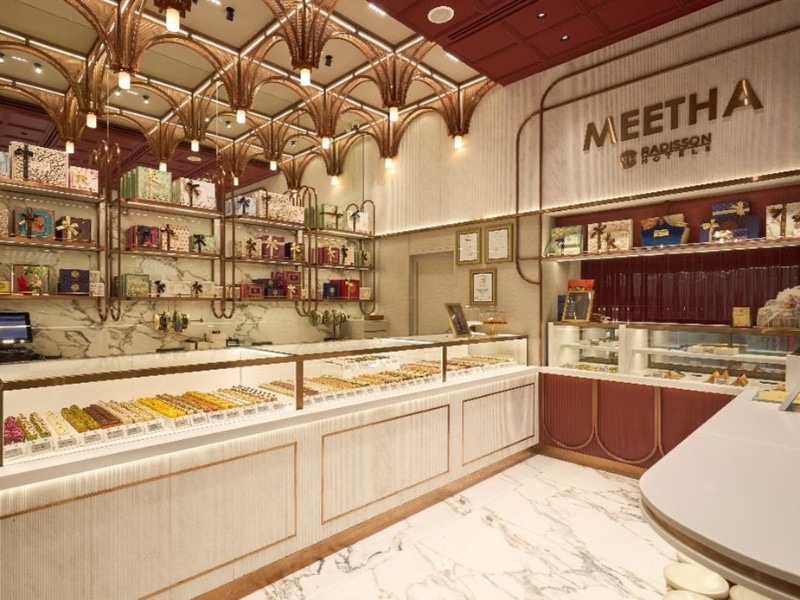
Meetha was born from a desire to celebrate the richness of Indian sweets with a modern twist. The aim was to offer guests an indulgent experience that combines traditional flavours with premium presentation. Each sweet in the collection is crafted with the finest ingredients, ensuring quality, authenticity, and a touch of innovation.

How do accolades and awards influence your work and future goals?
Awards and recognitions are a validation of one’s dedication and passion. They serve as a motivation to push boundaries and explore new horizons. For me, these accolades are not just personal achievements but also a responsibility to inspire and mentor the next generation of chefs.
What is your vision for the future of Indian cuisine on the global stage?
I envision Indian cuisine being celebrated globally for its diversity, depth, and versatility. It’s time for the world to see Indian food as more than just curries and spices. By highlighting regional specialties, embracing innovation, and maintaining authenticity, we can elevate Indian cuisine to a leading position on the global culinary map.
What advice would you give aspiring chefs looking to make a mark in the hospitality and culinary industries?
Stay curious, embrace learning, and never compromise on quality. The kitchen demands passion, discipline, and creativity. Focus on mastering the basics before venturing into innovation. Most importantly, always cook with your heart—food that resonates with your soul will always leave a lasting impression.