Reportedly, the largest hospitality company in Europe, Accor, has one of the industry’s most diverse hospitality ecosystems, encompassing more than 45 hotel brands from luxury to economy. Founded in 1967 and headquartered in France, it operates in over 110 countries and generated record-high results in 2023, with EBITDA breaking the €1 billion mark for the first time in its history. (EBITDA, for those not in the know, stands for Earnings Before Interest, Taxes, Depreciation, and Amortization; a basic measure of profitability).
The landmark success showed in its India chapter as well. Accor, which entered India in 2004, had a record-breaking signing of 11 strategic hotels and the opening of six key hotels across the country in 2023. It currently operates 62 hotels in India across a diverse array of iconic brands, including Raffles, Fairmont, Sofitel, Pullman, Grand Mercure, Novotel, Mercure, ibis, and ibis Styles.
With the hospitality sector in India experiencing a significant surge, “India,” in its CEO Sebastien Bazin’s words, “holds a strong place in Accor’s global vision, embodying not just a market, but a place of opportunity and growth.”
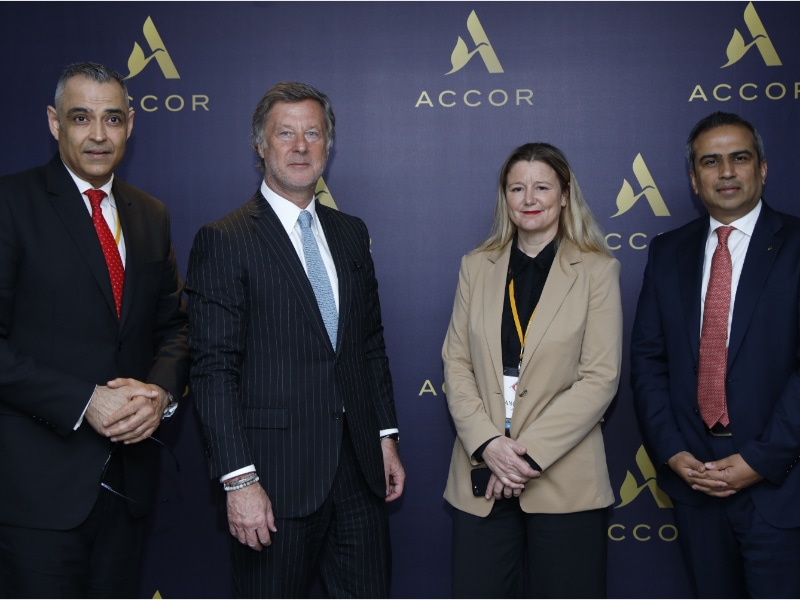
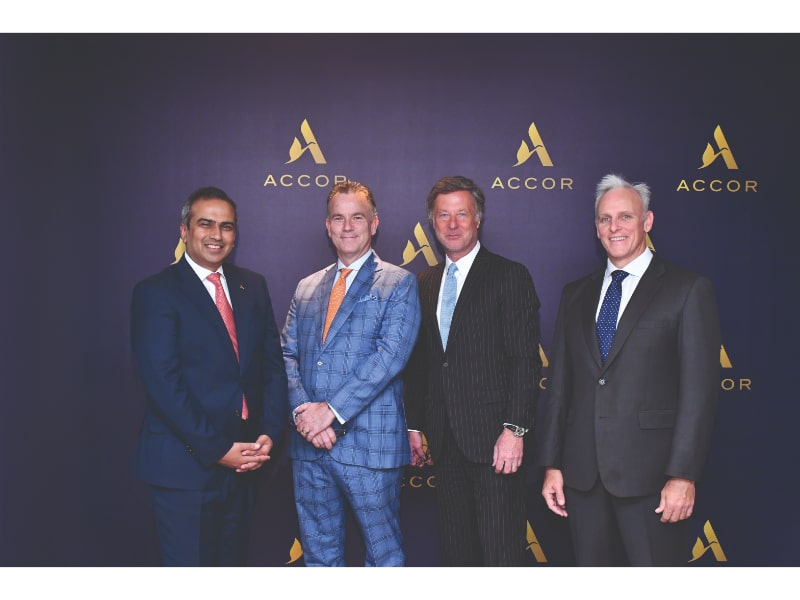
Hotelier India catches up with Accor’s global head honchos on their recent visit to India. While Sebastien Bazin, Group Chairman & CEO, and Duncan O’Rourke, CEO, Middle East, Africa & Asia Pacific, give us a glimpse into what makes Accor the leaders that they are, we also get into candid conversations with the dynamic duo on their own incredible journeys as hoteliers; their ambitious plans for India, their view of the industry’s evolution and lots more…
Excerpts from our interviews:
SEBASTIEN BAZIN, GROUP CHAIRMAN & CEO, ACCOR
You started your career in finance, moved to hospitality, went to real estate and returned to hospitality… What is it about the hospitality industry that you liked, and kept you going?
Hospitality is all about human connections and an unwavering dedication to people. Our mission is to craft unforgettable experiences and build lasting relationships with our esteemed guests and more broadly with every individual who crosses the threshold of our establishments. This sector thrives on dynamism and continuous evolution. Every day brings fresh challenges and opens doors to innovative solutions. And more importantly, hospitality acts as a potent instrument for cultural enrichment and diversity enhancement.

You joined Accor in 2005, and became Chairman and CEO in 2013. Tell us something about your journey here – the challenges, milestones and more…
My journey with Accor has been a remarkable voyage filled with challenges, milestones, and invaluable experiences. Whether leading strategic initiatives, navigating through economic cycles, adapting to shifting consumer preferences, every challenge presented a chance to innovate and reinforce Accor’s position as a global hospitality leader. From turning the Group into an asset light model to spearheading transformative acquisitions and brand expansions, from driving sustainability initiatives to enhancing guest experiences, each milestone has contributed to Accor’s evolution and growth trajectory. The journey with Accor has been enriched by the unwavering dedication and talent of our team members, whose collective efforts have been instrumental in achieving our shared goals and realising our vision for the future.
As we continue to chart new horizons and pursue excellence, I am grateful for the opportunities, experiences, and relationships that have defined my journey with Accor, and I remain deeply committed to underscore the trust and confidence bestowed upon me by the company’s stakeholders.
In your current role as Group Chairman & CEO, what is your vision for your brand?
We are dedicated to delivering unparalleled guest experiences, driving innovation, and committing to sustainable practices across all our properties. At Accor, we see the importance of adapting continuously to meet the dynamic preferences and needs of travellers from every corner of the world. By harnessing cutting-edge technology and offering personalized services, we strive to create unforgettable experiences for every guest.
Sustainability is not just a feature of our operations – it is foundational to how we conduct our business. We are committed to integrating eco-friendly practices throughout our network, thereby making a tangible, positive impact on the communities we touch and beyond. It is crucial that we empower our teams, encouraging them to innovate and excel in their roles. Through this holistic approach, Accor will not just grow—it will thrive, setting new benchmarks in the hospitality industry.
Which were the regions (Accor-centric in Asia Pacific) worst hit during the pandemic? What were your game-changing strategies to revive them?
It has been difficult everywhere. On April 2, 2020, when more than half of the world was in lockdown, Accor took steps to support its employees and partners with the creation of the “ALL Heartist Fund.” By allocating 25% of its ¤280m planned dividend, i.e. 70 million euros, our Group and its shareholders have made a meaningful and significant contribution to global solidarity initiatives to address the current health crisis while planning for future needs. Welcoming and taking care of others is part of our Group’s DNA and the ALL Heartist Fund, set up to support people in need, reflects those values.
Humanity, solidarity, teamwork… We have mobilized in our head offices, offices and hotels to bring to life this solidarity initiative that is very dear to our hearts. We quickly adapted to the new reality, implementing rigorous hygiene protocols and embracing innovative technologies such as contactless check-ins to ensure the health and safety of everyone. This period was a steep learning curve, but it undeniably strengthened us. It honed our agility, fortified our resilience, and deepened our commitment to delivering outstanding hospitality under any circumstances.
What were Accor’s biggest achievements in Asia, specifically in India, in the past year?
This past year has been monumental for Accor in Asia, particularly in India, where our achievements have truly set a new benchmark in our history. In 2023, we celebrated a landmark year, characterized by the record-breaking signing of 11 strategic hotels, alongside the inauguration of six pivotal properties throughout India. These accomplishments have further solidified Accor’s status as one of the largest international hotel operators in the country by room count. Among our notable signings were prestigious properties such as the Fairmont Agra and Pullman Amritsar, as well as the Novotel Bengaluru Airport Varun, Grand Mercure Jaipur Kukas, and ibis Styles Bengaluru Airport Varun.
We expanded our Indian portfolio by nearly 1,000 rooms through the launch of significant hotels including the Novotel Mumbai International Airport, Novotel Jaipur Convention Centre, Novotel Jodhpur ITI Centre, Grand Mercure Agra, ibis Mumbai Thane, and ibis Styles Goa Vagator. Today, Accor proudly operates 61 hotels across India, showcasing a variety of iconic brands such as Raffles, Fairmont, Sofitel, Pullman, Grand Mercure, Novotel, Mercure, ibis, and ibis Styles. Accor’s accomplishments are instrumental in shaping the evolving landscape of hospitality in India, and they underscore our unwavering commitment to enhancing the guest experience across the region.

What significant changes have you noticed in the hospitality industry over the past 20-30 years? And where do you see the industry heading?
Over the past two to three decades, the hospitality sector has undergone significant transformations, profoundly influenced by technological advancements, changing consumer preferences, and pivotal global events. The rapid adoption of technology has revolutionized the hospitality landscape, enhancing everything from online booking systems to mobile check-ins, and elevating the guest experience through digital concierge services and tailored interactions. This has not only improved operational efficiency but also significantly enhanced the overall guest experience.
Simultaneously, we have witnessed a notable shift in consumer preferences towards experiential travel. Today’s travellers increasingly seek authentic and sustainable experiences that offer deep connections with local cultures, cuisines, and communities. Consequently, there is a growing demand for eco-friendly practices and accommodations. Looking forward, the hospitality industry is poised to continue its evolution with several emerging trends. The continued embrace of technology is expected to further enhance guest experiences and operational efficiencies, with innovations in artificial intelligence, augmented reality, and big data offering more personalized services. Sustainability will remain a focal point as the industry moves towards eco-friendly practices and renewable energy sources.
The pandemic has also intensified the focus on health and wellness, with travellers prioritizing destinations and accommodations that emphasize health, cleanliness, and overall well-being. Furthermore, the rise of remote work and the blending of business with leisure travel, or ‘bleisure’ travel, are prompting hotels to adapt environments that cater to both work and relaxation, featuring flexible workspaces, robust internet connectivity, and engaging leisure activities. As we move forward, the hospitality industry is set to continue adapting to meet the dynamic preferences of travellers, leveraging technological advancements, and navigating global trends that define the future of travel and hospitality.
What goals do you have for Accor in India? And what are your strategies for achieving them?
When we talk about the global landscape of hospitality growth, it is impossible to ignore the immense potential that India presents in this sector. With its burgeoning economy, diverse culture, and increasing focus on tourism and hospitality, India stands as a beacon of opportunity for professionals seeking to excel in this field. In fact, India is poised to become one of the most significant sources of growth in the global hospitality industry over the next five years. As the country continues to invest in infrastructure, promote tourism, and attract foreign investment, the travel demand is expected to soar. I am deeply committed to steering our operations in India towards a path of sustainable growth, enriched guest experiences, and robust strategic partnerships.
We are immensely proud of our partnership with InterGlobe Hotels and the visionary leadership of Rahul Bhatia. This collaboration, combining IGH’s deep understanding of the Indian market with Accor’s global hospitality expertise, has significantly strengthened our position in India’s midscale and economy hotel sector. The synergy between our companies has fostered innovative service offerings and operational excellence, paving the way for continued growth and success in the years ahead. Together, we look forward to further advancing our joint endeavours and setting new standards in the hospitality industry. Our aim is to broaden our reach within the region by thoughtfully adding new properties and diversifying our portfolio to align with the varied preferences of travellers.
Sustainability remains a cornerstone of our operations, and we are dedicated to adopting eco-friendly practices and initiating community engagement projects that contribute positively to the areas we serve. Investing in the development of our talent and nurturing a culture of empowerment among our team members are crucial elements of our approach. These efforts ensure that we continue to innovate and remain agile in a competitive market. We are also keen to forge collaborations that enable us to address the unique needs of the local markets and drive innovation.
With strategic planning, diligent execution, and continuous evaluation, I am confident in our ability to meet our objectives and further cement Accor’s status as a leader in the hospitality industry in India. Under my leadership, we will continue to shape the future of hospitality with foresight, integrity, and an unwavering commitment to excellence.

DUNCAN O’ROURK, CEO, MIDDLE EAST, AFRICA & ASIA
What triggered your interest in the hospitality industry? Where did it all start from?
From the very beginning, my affinity for the hospitality industry was deeply rooted in personal experiences and a profound commitment to service. Growing up, I took immense pleasure in organizing events and gatherings for friends and family, relishing the opportunity to create memorable moments. This early inclination towards ensuring the comfort and joy of others naturally propelled me towards the hospitality sector. Further enriching this direction was my exposure to a variety of cultures and cuisines during my travels, which expanded my appreciation for the global scope and transformative potential of hospitality. Experiencing firsthand the profound effect that thoughtful service and genuine hospitality can have on individuals, I was inspired to make a tangible impact through my career. Thus, my professional path in hospitality was set on a foundation of creating meaningful interactions, delivering outstanding experiences, and positively influencing the lives of others.

From 2004, you served as General Manager for Kempinski in various destinations. Tell us something about your first tryst as the General Manager, and what were the learnings in your journey as a GM of a hotel?
My entry into the hospitality sector took a decisive turn in 2004, when I assumed the role of General Manager at Kempinski across different locations. This initial position was crucial, providing me with a wealth of practical insights and forming the bedrock of my later achievements in the industry. During this period, I mastered the essentials of effective communication, the art of team building, and the critical importance of meticulous attention to detail – all vital for the smooth running of a hotel’s operations. The experience of leading diverse teams and overcoming myriad challenges equipped me with skills in adaptability, resilience, and strategic thinking.
I placed a strong emphasis on cultivating robust relationships with guests, colleagues, and stakeholders, recognizing early on that these connections are vital to achieving guest satisfaction and service excellence. In 2016, my career took a new direction when I joined Accor. I brought with me the deep expertise I had developed as a General Manager, and since then, I have been committed to fostering success and encouraging innovation across
the company.
From COO of Kempinski to CEO (ME, Africa and Asia Pacific) of Accor, how would you describe your journey so far?
Transitioning from the role of COO at Kempinski to CEO of Accor for the Middle East, Africa, and Asia Pacific has been a deeply transformative journey. My time as COO at Kempinski was instrumental, enriching me with profound insights into hotel operations, strategic planning, and leadership – preparing me solidly for the challenges ahead at Accor. As CEO, I am now at the helm of an incredibly vibrant and diverse region, each part presenting its own set of unique opportunities and complex challenges. Navigating the distinct landscapes of the Middle East, Africa, and Asia Pacific, fostering vital strategic partnerships, and spearheading growth have been both invigorating and demanding. Supported by an outstanding team, our unwavering commitment to excellence, and a continual drive for innovation, we have reached notable milestones and solidified Accor’s standing as a front-runner in the global hospitality landscape. Moving forward, I am wholeheartedly dedicated to promoting sustainable growth, enhancing our guests’ experiences, and pioneering the future of hospitality across these dynamic regions.
Which are the countries in Asia Pacific, Accor sees the most potential in?
At Accor, we see substantial potential in several key countries within the Asia Pacific region, each offering unique growth opportunities for our diverse range of brands. China continues to be a powerhouse, with its massive market and increasing affluence driving demand for both mid-scale and luxury hospitality offerings. India’s rapidly growing economy and expanding middle class make it another critical market for us, ripe for both urban and leisure developments.
Vietnam and Indonesia, with their robust economic growth and appealing tourist attractions, also stand out as countries with significant potential for both our new developments and existing properties.
Japan also holds a special place in our strategic planning, particularly with its blend of rich tradition and cutting-edge modernity. The country’s reputation for excellence in service and hospitality aligns perfectly with our commitment to guest satisfaction and innovation. Japan’s hosting of international events and its status as a major business and cultural hub provide a strong foundation for both existing properties and new expansions, especially in cities beyond Tokyo.
In each of these markets, our strategy is tailored to leverage local cultures, consumer behaviours, and economic dynamics, ensuring that Accor remains at the forefront of the hospitality industry in the Asia Pacific.
What are Accor’s ESG principles? And how do you believe a sound ESG framework in place will help take the brand ahead?
At Accor, our commitment to Environmental, Social, and Governance (ESG) principles is integral to our identity and operations. We are deeply invested in advancing sustainable development within the hospitality sector, understanding that our responsibility goes beyond just economic performance to include social and environmental stewardship.
Environmental sustainability: We are dedicated to reducing our environmental impact through energy-efficient practices, sustainable sourcing, waste reduction, and water conservation. Our Planet 21 program exemplifies this commitment, focusing on activities that mitigate our environmental footprint, including the use of eco-friendly materials and the promotion of renewable energy sources.
Social responsibility: Accor is committed to creating positive and inclusive social impacts. This includes ensuring fair treatment and opportunities for all our employees, supporting community initiatives, and enhancing guest health and safety. We foster a culture of diversity and inclusion, recognizing the strength that lies in differences.
Governance: Ethical practices and responsible leadership are the cornerstones of our governance structure. We uphold the highest standards of integrity and transparency in all our actions and decisions, ensuring accountability at every level of our organization.
Having a robust ESG framework not only strengthens our brand and builds trust among our stakeholders but also positions us to meet the challenges of a rapidly evolving global marketplace. It enhances our resilience, drives innovation, and attracts talent and investors who share our values. Furthermore, it ensures we are prepared for regulatory changes and aligns us with the global movement towards sustainability, which is increasingly important to our guests and partners. By prioritizing ESG, Accor not only leads with purpose but also secures a sustainable future for our business, the communities we operate in, and the planet.
Tell us about how Accor translates its ESG ideologies in India? And what are the challenges, if any, while putting them in place?
In India, Accor’s commitment to Environmental, Social, and Governance (ESG) principles is translated into actionable strategies that reflect both our global ethos and a deep respect for local contexts. We are particularly focused on leveraging ESG initiatives that not only benefit our operations but also positively impact the communities and environments in which we operate.
Environmental Initiatives: Accor in India places a significant emphasis on sustainability through resource conservation measures, such as water saving systems and energy-efficient lighting. We also implement waste management practices aimed at reducing landfill contributions. The challenge here often lies in adapting these technologies to diverse local conditions and ensuring they meet both our global standards and local needs effectively.
Social commitment: Our social initiatives in India are focused on empowering local communities, enhancing education, and improving health outcomes. We actively participate in community service and support local NGOs. A notable challenge in these efforts is the vast socio-economic diversity in India, which requires us to tailor our initiatives to meet varied local realities and needs effectively.
Governance practices: Accor maintains stringent governance practices to ensure that all operations in India adhere to the highest standards of ethics and compliance. We conduct regular training sessions on ethical practices and corporate governance for our team members. Implementing these across such a vast and diverse region requires continuous oversight and adaptation to local regulatory and cultural nuances.
The road is not without its challenges, primarily due to the vast regional diversities in compliance standards, environmental conditions, and community needs. However, by continuously engaging with local stakeholders and adapting our strategies accordingly, Accor is committed to overcoming these challenges and ensuring that our ESG principles contribute positively to India’s sustainable development and align with our global vision.
What have been some of the greatest lessons you have learned about the hospitality business, since you started almost three decades ago?
Over the course of nearly three decades in the hospitality industry, I’ve been fortunate to learn a multitude of invaluable lessons that have shaped my approach and leadership. One of the most critical lessons is the importance of cultural sensitivity and local relevance. Operating across diverse markets like the Middle East, Africa, and Asia Pacific has taught me that while global strategies are crucial, the real success comes from tailoring our approach to fit the cultural nuances and specific needs of each locality.
Another key lesson has been the importance of adaptability and resilience. The hospitality industry is dynamic and often susceptible to global economic shifts, changing consumer behaviours, and unforeseen events like the COVID-19 pandemic. The ability to swiftly adapt business models, innovate service offerings, and pivot strategies has been essential for sustained growth and success.
Furthermore, I’ve learned that people are truly at the heart of this industry. Building strong, supportive, and motivated teams, and maintaining a focus on guest satisfaction are fundamental. Lastly, sustainability has emerged as a non-negotiable aspect of modern hospitality. Learning to integrate sustainable practices into every facet of our operations – from energy efficiency and waste reduction to supporting local communities – has not only become a moral obligation but also a business imperative that resonates with today’s eco-conscious traveller.
These lessons continue to guide me as we navigate the complexities of the hospitality landscape, striving to deliver exceptional service and create memorable experiences for our guests while fostering a positive impact on our communities and the environment.