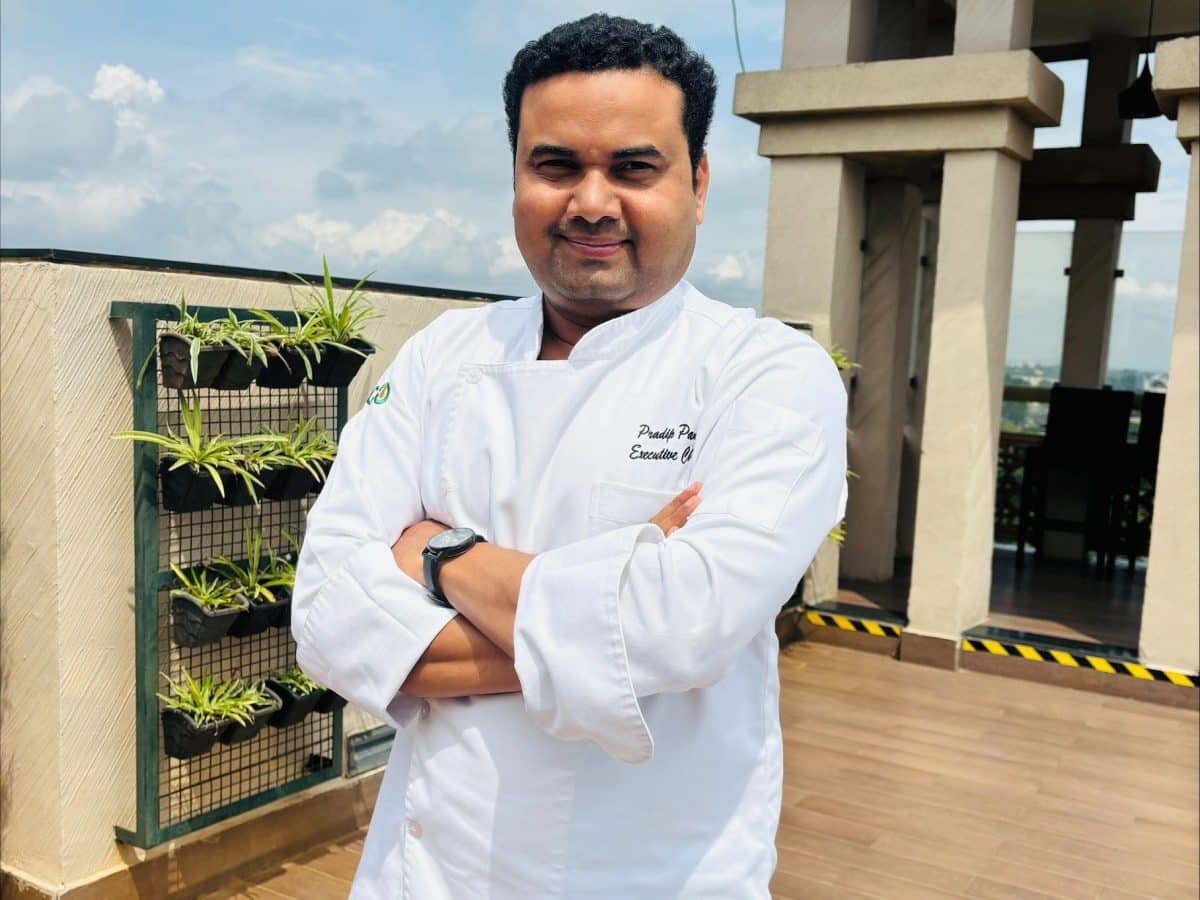

Picture this: It’s a typical Friday evening at a bustling restaurant. Orders are pouring in, the kitchen is operating at full throttle, and staff members are orchestrating a complex dance of service and preparation. Behind the seamless delivery of a perfectly timed three-course meal during peak hours lies more than just culinary skill. Advanced technology, particularly AI, is revolutionizing restaurant smart kitchens, optimizing workflows, and ensuring every dish reaches the table with precision. Dining out is no longer just about great food – it’s an innovation-driven experience.
Restaurant technology has evolved far beyond simple point-of-sale (POS) systems and digital menus. Today’s smart kitchen operations are weaving together efficiency, tailored experiences, and sustainability to change the game for restaurateurs and diners alike.
The evolution of kitchen automation
In a world where AI-powered systems are transforming kitchens by automating tasks like measuring ingredients and monitoring cooking temperatures, many restaurants, including ours, remain steadfast in embracing a handcrafted, chef-crafted philosophy. We believe that the essence of great cuisine lies in the personal touch of skilled chefs, who pour their creativity and expertise into every dish. While technology supports efficiency, our focus is on preserving the artistry and authenticity of made-from-scratch cooking
The transformation extends beyond the kitchen. Inventory management has become remarkably efficient through AI-driven systems that predict usage patterns and automatically trigger reorders when supplies run low. This not only prevents wastage but ensures that the restaurateur is never caught off guard during peak service hours.
Personalising the dining experience
Modern diners expect more than just good food – they seek out personalised, memorable experiences. Perhaps the most exciting development in restaurant technology is how AI enables restaurateurs to deliver truly customised experiences to their guests.
By analysing dining patterns and preferences, they can now offer personalized menu recommendations that delight the customers. With the introduction of AI-enabled reservation systems and chatbots, interaction with guests and providing accurate responses instantly has revolutionised the definition of hospitality while maintaining that crucial personal touch.
The new era of optimised operations
AI doesn’t just streamline kitchen operations; it transforms them. By analysing workflows, it identifies the most efficient ways to utilise space, time, and resources. For instance, AI can suggest the optimal sequence of tasks during peak hours to ensure timely service without compromising food quality. Interestingly, restaurants using chatbots reported up to 15% higher conversions and 30% reductions in operating costs.
In a fast-paced environment, these insights are invaluable. They help staff coordinate better, reduce wait times, and maintain the high standards that customers expect. Moreover, AI can predict busy periods based on historical data, enabling restaurants to allocate resources effectively and avoid bottlenecks.
Where sustainability meets profitability
Environmental consciousness goes beyond good ethics – it’s also about good business. The Global Hotel Decarbonisation Report by the World Sustainable Hospitality Alliance reveals that the industry must reduce carbon emissions by 66% by 2030 and 90% by 2050 to meet climate goals.
Through AI-powered supply chain tracking, most restaurateurs are managing to reduce food waste, cut their carbon footprint, and promote ethical sourcing continuously by ensuring that kitchens only receive what they need. Advanced algorithms can track the origins of ingredients, ensuring they come from responsible and sustainable providers. This not only supports environmental goals but also aligns with the values of today’s eco-conscious diners.
Conclusion
Technology cannot and should not be perceived to replace the human element in restaurants – but rather to enhance it. The warmth of genuine hospitality, the creativity of chefs, and the personal connections built with guests remain at the heart of modern hospitality.
AI holds the possibility of helping to deliver these experiences more consistently and efficiently. As we look to the future, one thing is for certain: the restaurants that thrive will evolve and learn the balance between embracing innovation while preserving the irreplaceable warmth of human hospitality.