With her eyes set on making Indian architectural poweress, in 2001, Smriti Raheja started her architectural firm, DesignEX- an amalgation of design and execution. The firm’s major focus is on the F&B sector, with more than 25 restaurant chains as its clientele.
Being a firm believer in ‘form follows function’, her designs reflect a relatable interface and an organic touch, much like her role model, Frank Lloyd Wright. Some of her celebrated projects include Home Delhi for PVR Director’s Cut, Anidra, Punjab Grill, SETZ and Mistral.
Today with us she shares some of her practical insights, F&B and multiplex design experience, challenges faced while designing public areas, changing times in cinema and technology, along with leisure space design ideas.
- Having completed 20 years in Architecture practice and still going, how has your experience been so far in the industry? What is the one thing that still excites you in Architecture?
DesignEx initially started as a small architecture firm with a creative spirit and passion. Even with a small team of six, we have been handling large-scale projects since beginning. Over the span of two decades, we gradually grew into two fairly large offices in NCR and two sister concerns in Mumbai and Kolkata. Initially, it wasn’t easy to gain recognition, but when the ventures start acquiring admiration, it inspires one to advance further their notion of materialising fantasies. The elite clientele I deal with inspires me to work on innovative and versatile styles. The exceptional projects DesignEx has undertaken and executed over the past few years encourage me to maintain the uniqueness and legacy of my work. The idea is to always cater to the fact that our work is not only concentric around the profitability of the endeavor but also has the capability of influencing the user’s walk of life and transforming someone’s desires into a built reality. However, the ultimate aim is to make DesignEx a world-renowned entity while expanding into the international market and changing the Indian perception of AEC globally.
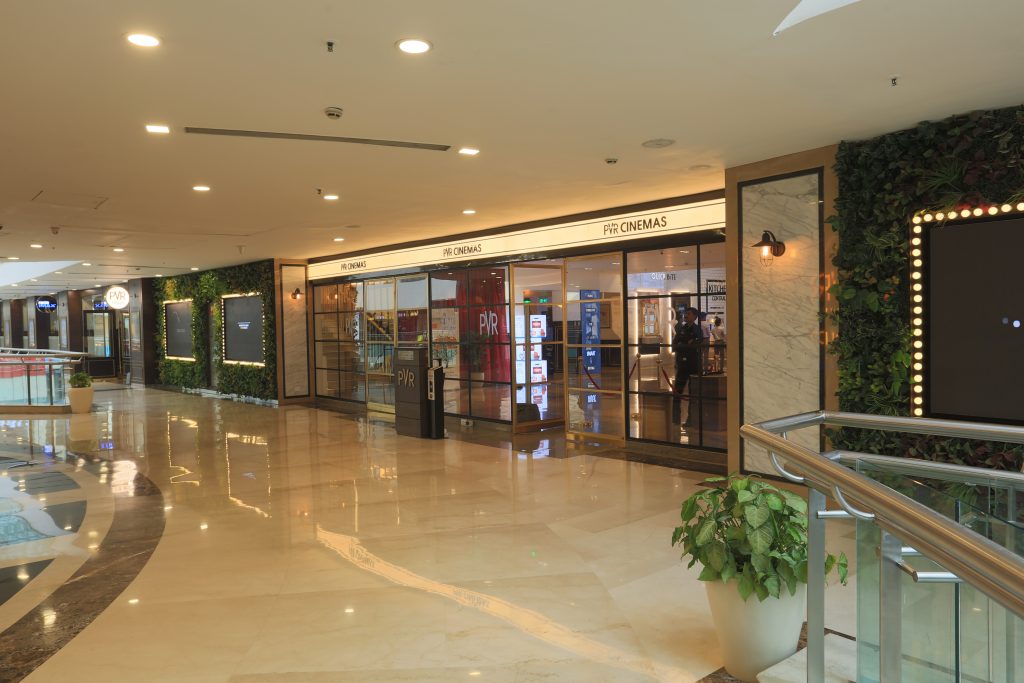
- Your upcoming project list has the most famous multiplex brands, PVR and INOX. Share your interest and experience in designing multiplexes.
I have always had an affinity for experiential designs. The rise in the market for an upgraded motion-picture experience has been evident in the past few years. With extravagant multiplexes offering luxurious amenities, movie-watching is transformed into an adventure. The brief for a PVR usually demands an over-the-top luxury experience and comfort that matches a five-star hotel. Cinema is always seen as a religion in our country. Keeping in mind the new-age tech-enabled design trends, it is crucial that designers communicate through technology. Mainstream multiplex brands such as INOX aim at establishing explicit statements through sophistication in design and flamboyant symbolism. Since experiential design revolves around the culmination of elements to form a recall and maximize footfall, more and more businesses are seeking experiential designers. Since a consistent yet ever-changing client base is the major deliverable in such cases, a common demand amongst the fraternity is a royal aesthetic, which creates familiarity and gives the user a sense of belonging in a posh context.
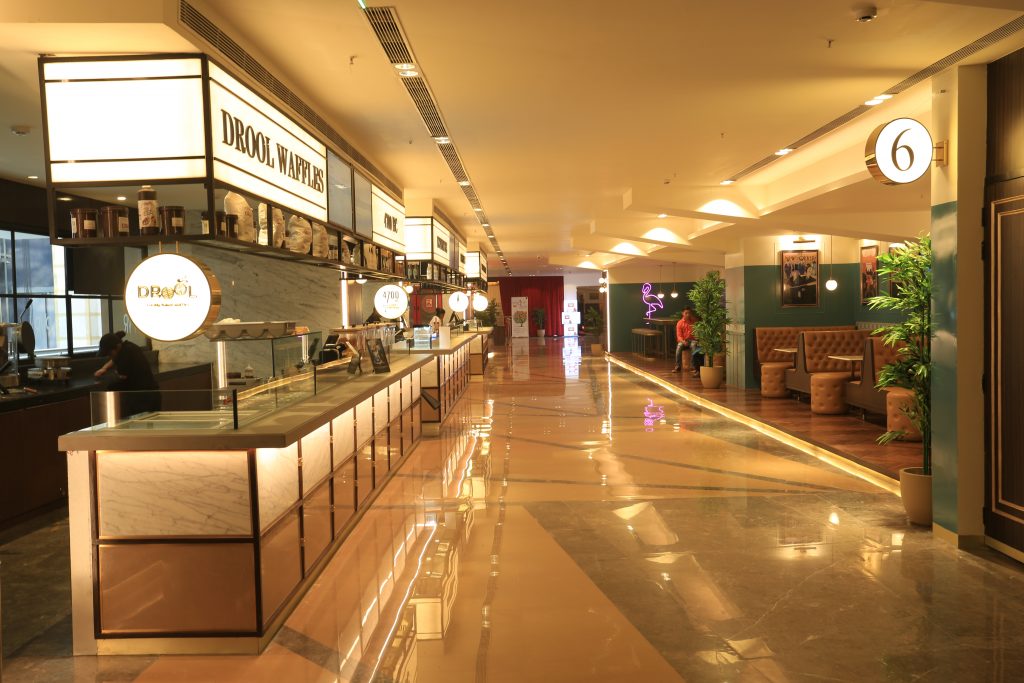

- What is the biggest challenge in designing multiplexes? How has the design of multiplexes changed after Covid? What are the new pointers that you have in mind while designing multiplexes? What are the changes that you witness in people’s expectations in a multiplex post-Covid?
The pandemic has significantly impacted the design of multiplex. Post covid, the cine halls have been increasingly promoting no-touch interface for customers. Digital technologies such as online ticket booking and mobile apps for ordering food and beverages eliminate crowding at counters and promote a wellness-friendly ambience. The new operational procedures with respect to the virus demand different design considerations, which are focused on hygiene and social distancing. After being at home for a long time, people expect a remarkable public experience that can not be ignored between buying a ticket and sitting down to watch the film. It includes lounges, gaming centers, and other communal areas that also enhance the economy of the multiplexes.
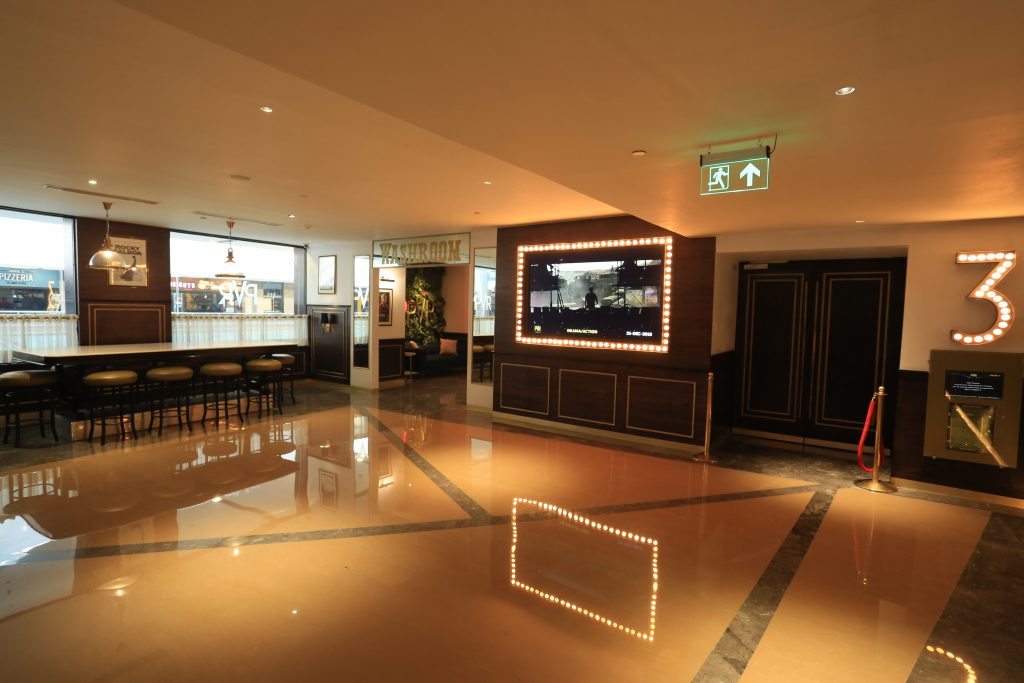
- Cinema is something that comes up with trending technologies day by day. How do these technologies affect the design of multiplexes?
In this era of technological advancements, the manifestation of grandeur in design has successfully been attempted, improvised on, and perfected over innumerable realms. Today, everything has become digital, including online ticket booking, the latest sound and projection technology, and endless food and beverage options delivered straight to your recliners.
Technological advancements in cinemas directly affect the design approach of a multiplex. For instance, the emergence of curved screening led to the arched seating arrangement, providing the best viewing experience. Similarly, AR gaming is introduced in multiplexes to reimagine the pre-show experience for audiences equipped with sound and efficient acoustic and lighting design in theatres. Enhancing with pre-show experience to make it more immersive is not just an underappreciated opportunity but also shows the power to drive consumers towards the multiplex brand. Drive-in cine experience is also gaining traction in the entertainment industry recently.

- Public areas such as lobbies and pantries also play a vital role in multiplexes. How significant is the design of public areas in multiplexes?
Public areas in theatres and multiplexes are becoming more significant, especially post covid. Lobbies and hallways do not remain deserted anymore. These are viewed as areas for leveraging the movie experience through posters and visuals. Multiplexes are expected to dedicate space to not just basic chairs but also desirable lounging options in lobbies with magnificent interiors. The experience of movie theatres cannot be limited to buying a ticket and sitting down to watch the film. Public spaces, such as food courts and play areas should be included in multiplexes, to meet the demands of existing consumers, who will likely already have a ticket in hand. Such approaches would boost overall enjoyment, levitating the peripheries of the cinema experience.
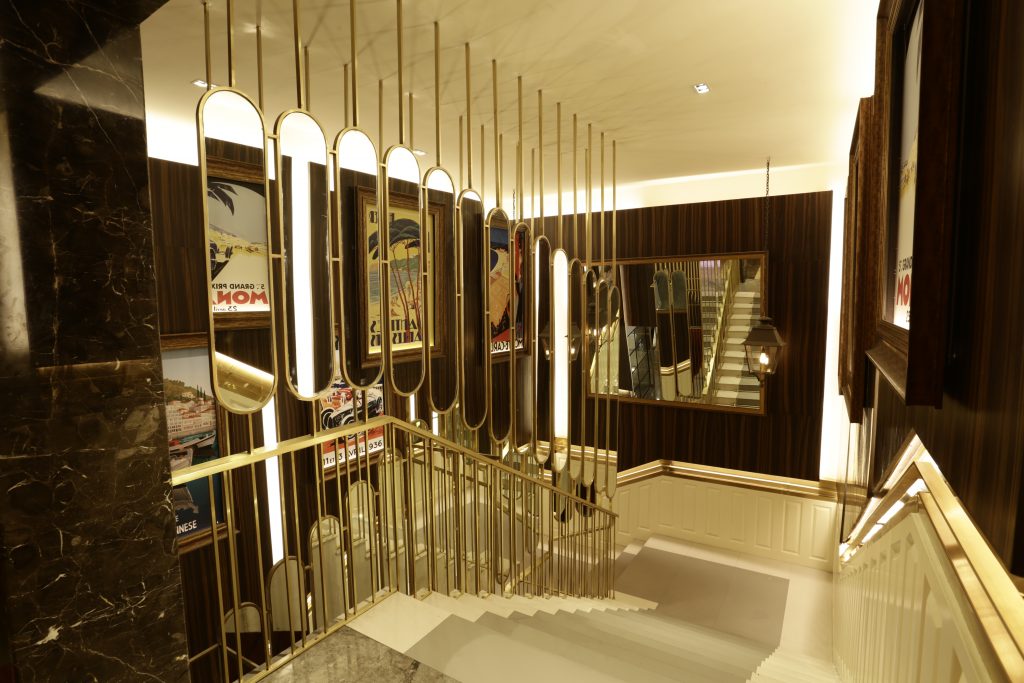
- How do you meet the expenditure needs of leisure spaces in a multiplex?
Unlike other public spaces, multiplexes are not large pass-through areas for people to loiter without making a purchase. They are housed in a single multi-use structure such as a mall which has restaurants in the form of food courts offering a choice of cuisine, shops, usually big brands, and video gaming courts. Unlike the small, crowded shops that surround single-screen theatres, shops in multiplexes are spacious, with enough room for ambling around with pleasantly sensuous air conditioning and soft music, a clear span for heavy foot traffic, and clean restrooms. It encourages buying things through the valorization of particular kinds of lifestyles.
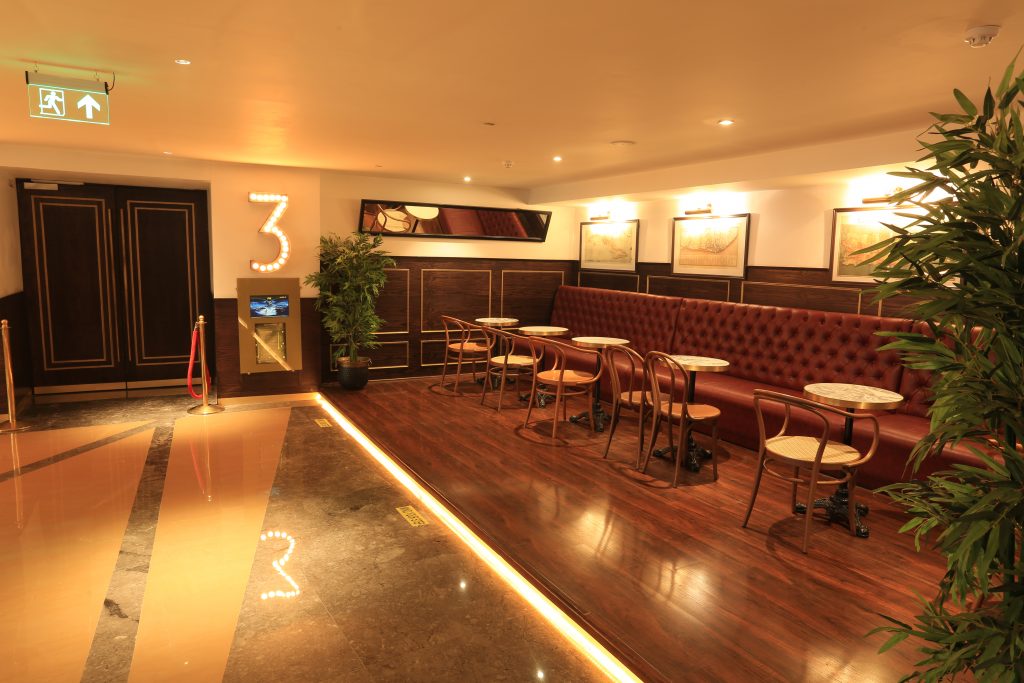
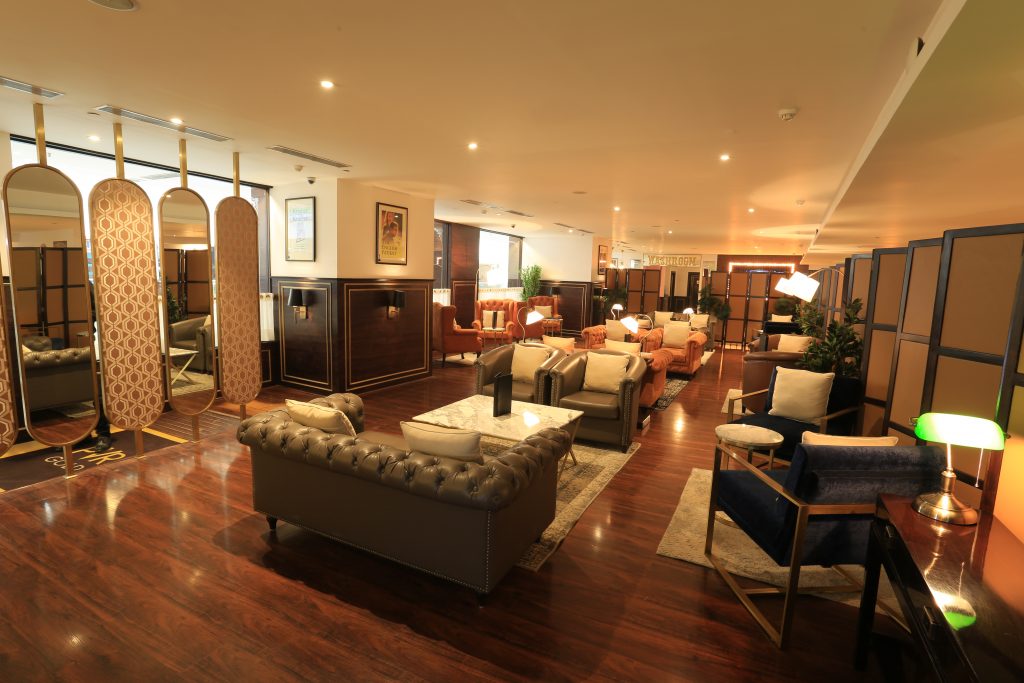
- Lighting plays an important role in any leisure space. How significant is lighting design especially in relatively light-proof areas such as Cinema Halls?
Lighting plays a vital role in multiplex design, catering to both, the lounging spaces and the light-proof cinema halls. When eyes adapt to the lower light levels when entering the movie hall, ambient light is the easiest for eyes to adjust to without issues. Ambient lighting should be soft with lower lumen outputs than typical lighting to transit the audience gradually into a low-light area. Lighting inside a movie theater must be about safety first. Staircases should have runner lights along the length of the stairs to avoid accidents and injuries. Dimmers on the ceiling or raised mouldings help in finding seats. Overhead lights can be installed to provide adequate illumination during cleaning but must be avoided strictly during the movie experience.