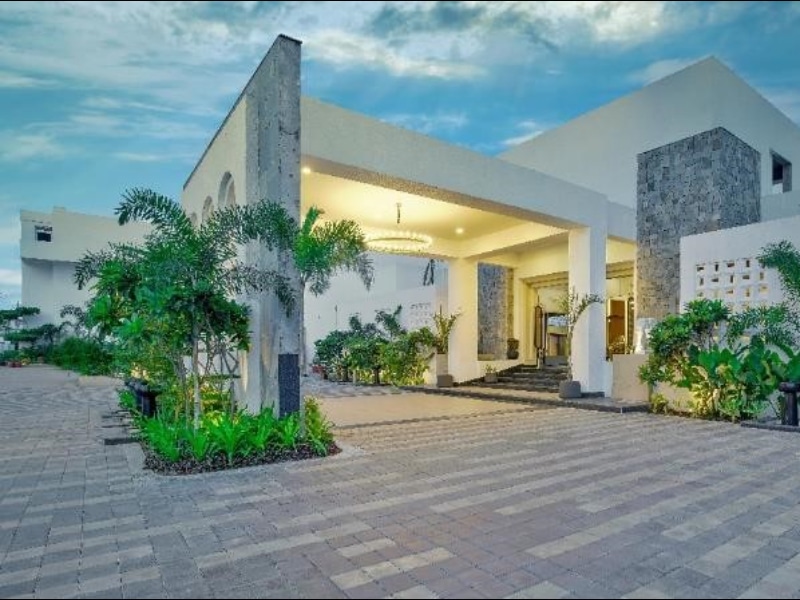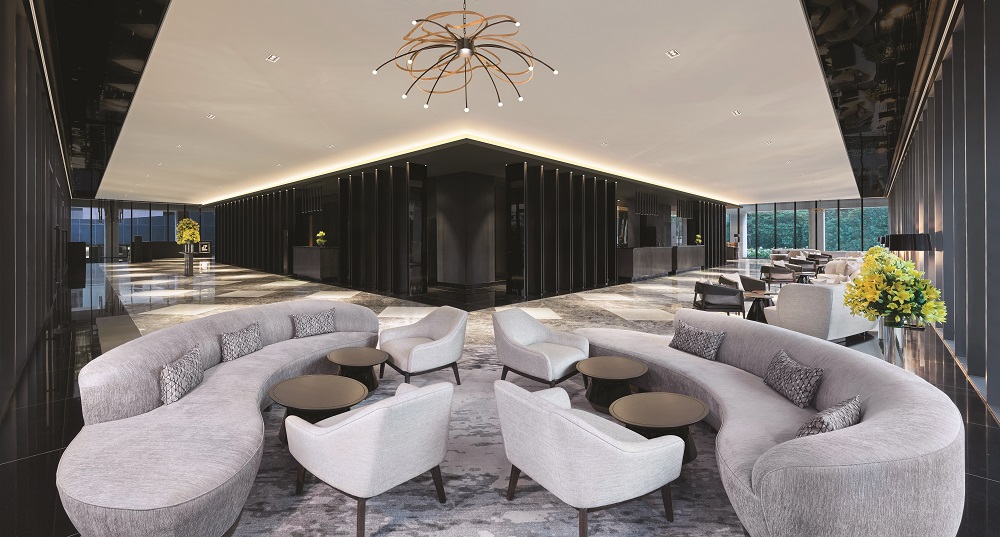
The furniture design in hospitality is taking a significant turn in terms of, both, aesthetics and functionality, even as the space becomes more bespoke and eco-friendly in its choice of materials.
NOVEL NUANCES
The organic look and feel of reclaimed and unpolished wood are a new element that is being incorporated into interior design. The trend started in the early 20th century as a move from heavy and ornamented furniture to a natural and modern space. More colours, patterns and finishes are becoming available easily. This is making experimenting with mixed materials a new trend. For example, metal accents and plush furniture are being paired together.

“People are being more adventurous and using vibrant colours for a bright and bold feel. These colours also have a practical purpose as people can find important areas such as the dining room in a hotel or a reception. We are witnessing a revival of the usage of dark hues and moody tones. Browns, lacquered blacks, vermilion reds, deep purples; all these colours are being used in furniture. They create an environment for relaxation when paired with warm lighting,” says Chandrika Sahay, Director and Principal Architect of Meraki Dezine.

HYGIENE MATTERS
Post-pandemic, people are looking for spaces which offer good hygiene. Furniture is an element where people sit and eat, touch with their hands, and sleep. Anti-bacterial fabric is used as furniture cushioning as it protects against bacteria, mould, mildew, and other hazardous microbes. Guests prefer hotels and villas for comfort, seclusion, and aesthetics. Crafty work desks and living areas to host meetings became popular.
“The hotels have become cautious about the material being used in their furniture and décor. The goal is to minimise excess use of wood and instead switch to using sustainable materials that last longer to ensure a lower wastage rate. Furniture is an integral part of an aesthetic, which is why we at Karma LakeLands opt for sustainable, DIY and original pieces that provide a unique experience for the guests,” says Aashna Khurana, Creative and Marketing Director, Karma Lakelands Gurgaon.

TREND CHECK
There is a new trend in making experiential spaces that comes with customisation and personalisation. Leather upholstery for durability and velvet upholstery for a cosy feel has always been the go-to materials. There is an increase in artisanal upholstery techniques such as quilting, tufting, and braiding too. These techniques add a touch of luxury and create a unique look for each piece. “Reclaimed wood is used to give the place a rustic feel, while vintage pieces of furniture create instant comfort for the users and add character to the place,” avers Sahay.

Transitional fashion is another trend that is becoming more and more popular. This refers to furniture and furnishing items designed for both traditional and modern settings. Items in this category include sleek steel desks paired with Ektorp chairs or a mismatched set of vintage kitchen cabinets combined with new hardware pieces. Furniture and all the interiors are undergoing a digital transformation in hospitality. Motion and voice controls, mood lighting and other smart systems have revamped the link between furnishings such as light fixtures and the interior environment. More of smart LEDs, powered recliners, adjustable height tables, alarm sensor beds, and convertible workstations are now being added to high-end commercial and hospitality projects.
POST-PANDEMIC EFFECTS
Post the pandemic, gadget-friendly spaces with charging ports near or space to prop the phone are being preferred, and furniture’s too are evolving to match this need. Creating open spaces after the world was cooped up in their homes has become a theme that hotels have adapted to and have begun offering guests open-air areas to work from. As a result, guests can now enjoy that enhanced privacy and comfort while they work in peace. Chirag Vora, Founder, Mason Home, explains, “After two years of being at home, every room in a hotel has become more of an experiential journey of ephemeral luxury. Post pandemic, the trends we mainly see are those of creating a sense of spaciousness by making furniture pieces multi-use. Knockdown furniture, minimalist styles which are glamorous yet cleanly designed to save space, is a theme. Since people have begun prioritising health, sanitising stations and ergonomic furniture pieces are also rising. To balance the delicate balance of room and comfort, hotels are leaning towards sleeker yet statement pieces of furniture as well as decor.”
MULLING OVER MAINTENANCE
Due to the high usage of furniture, wear and tear are the greatest challenges in the upkeep of furniture and furnishings. Maintenance and management are pivotal for the upkeep of any hotel. However, there are challenges faced in the upkeep of furniture and furnishing. For example, while bedsheets, pillow covers, etc., are easily washable, heavier curtains, carpets, and rugs are not. Therefore, they require the right cleaning based on the material type.

Anupriya Sahu, Founder and Design Head, Alankaram, says, “Similarly, atmospheric conditions, lighting, humidity, and so on within the interiors pose new challenges. For= instance, wooden chairs kept very close to the expansive windows would get discoloured much faster and thus require regular polishing and surface cleaning. One can minimise this challenge by going for high-quality wood or even wicker or bamboo pieces that are more durable and can reduce maintenance hassles.” In the case of matte-finished furniture, it is very easy to clean. In other cases, even though the furniture might be very manageable and light, it has a gloss that becomes difficult to maintain. For instance, glossy wooden furniture is more difficult to maintain. Ekant Singh, Founder and CEO- Page 2813 adds, “one of the difficulties in maintaining furniture and furnishings is the use of wood, such as mango, neem, and babul, or Italian marble, or the use of tiles on dining or centre tables. Even though they are less expensive financially, the expense of maintaining them may wind up being higher in the long run. The use of anti-allergen fabric, which is stain- and spill resistant, is one of the ecological features that we see in modern furniture. Today, a mattress protector is a need and is widely used.”

SPACE MATRIX
Different kinds of furniture and furnishings are required for different purposes and styles. The prevailing trend in furniture designs, especially for hospitality, is an increased focus on the versatility that serve multiple needs from both utility and aesthetic perspective. The new, lightweight furniture constructs are easier to move around while ensuring superior comfort for guests. “Earlier hotel furniture typically was bulky. The concept of island beds which come fitted with luxe headboards, adds depth and style to the room apart from comfort.
Another example would be ergonomic writing tables fitted with sleek reading LED lamps and bedside tables equipped with mat chargers that elegantly combine design sense and utility value. With regards to furnishings, ‘minimalistic luxury’ is the trend. Inclusions like Tessa-silk curtains extend an understated elegance. Motorised blinds are available in various materials, sizes, and colours to match different room layouts. “In terms of flooring, carpets were preferred earlier. While carpets are still popular in cold weather and lend a warm personality to rooms, several hotels have switched to wooden flooring with elegant floor throw rugs,” says Payal Joshi, Executive Housekeeper, Hilton and Hilton Garden Inn Bengaluru Embassy Manyata Business Park. The need is based on demand. For instance, if a room has a balcony, the furniture on the balcony will have to be waterproof and weatherproof.

GREEN VISTAS

Furniture now comes with “eco-labels” sometimes, which help guarantee the origin of wood used in furniture. Dhawal Shah, Director, Furnitech, says, “The concern about environmental issues has led architectural and design trends to opt for a specific orientation, sustainability, care, and preservation of the environment. The hospitality industry is shifting to furniture that does not create a threat to the planet. Sustainable furniture gives the user endless opportunities to exploit each one of its features and provides profits to the hotels because of its long life and multi-functionality features.”
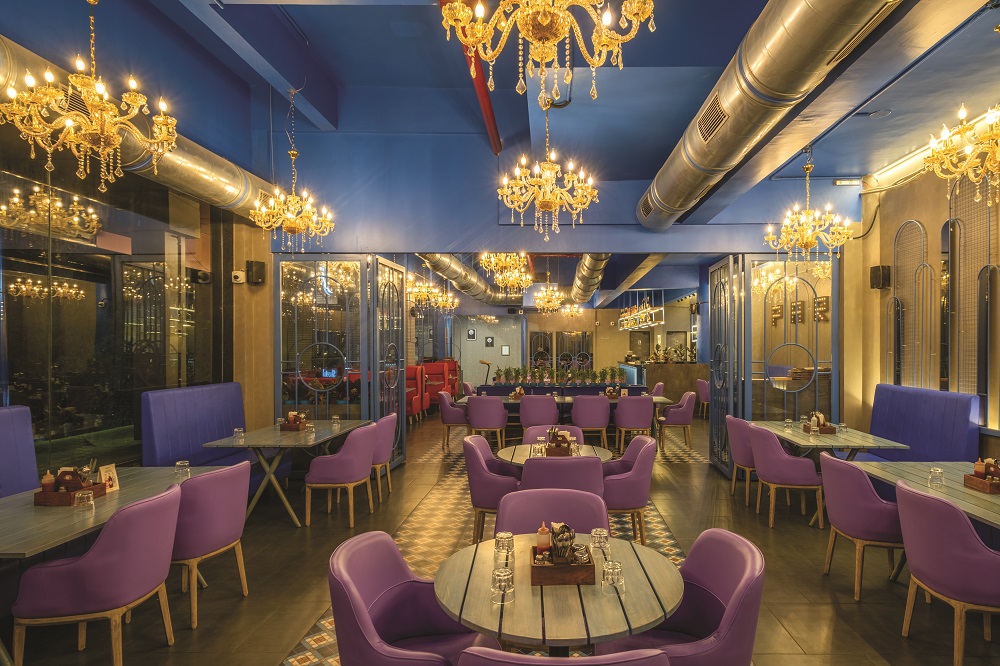
Many hotels are now requiring furniture and furnishings that are low-maintenance and sustainable. This is in line with the trend of eco-friendly hotels, which strives to create a more environmentally friendly environment for guests and employees alike. Sustainable materials include certified wood products, organic cotton fabrics, and other such environmentally friendly supplies. Not only are these items more sustainable than their conventional counterparts, but they also tend to be of higher quality.

“Furthermore, hotels have a duty to ensure that the environmental impact associated with their operations is minimised as much as possible. This often means implementing green strategies like recycling or reusing waste materials instead of sending them off to landfills. In addition to reducing emissions from transportation, this also helps reduce water usage by decreasing Morton’s equilibrium (the process whereby decomposing material emits gases). All things considered, hotels need to pay attention not just to selecting furniture and furnishings but also to how those items are designed and constructed from start to finish,” says Uttamaditya, C.E.O & Founder, U&I Interiors.
BESPOKE CUES
Furniture is customised almost for every project as it is what makes every project different from the others. Dhruva Kalra, Principal Architect, I’m D’sign, explains, “being in an era that is tired of the mass produced pieces and excited for everything that is bespoke. For one, there is a major shift in the furniture choices for these spaces. The soft spot for such customisation has focused more on the materials, fabrics, and the theme they put together. The key lies in layering various textures together. Be it suede, velvets, leather or texture created by tufting. Sustainable alternatives like rattan, rough wood finishes, and metals such as iron, brass or coated steel bring forth a statement that is unique to the design.”

Customised interiors can elevate a hotel’s aesthetic, create warmth, and convert guests into repeat customers. Hence, customisation is quite common in hotel furniture and furnishings. In this reference, bespoke furniture and the degree of customisation it can offer are pivotal in influencing the tangible and intangible aspects of the hotel experience and how it changes. As guests return to hotels, the one clear thing is safety and hygiene are of top priority, and high-touch furniture and furnishings must lead by example.