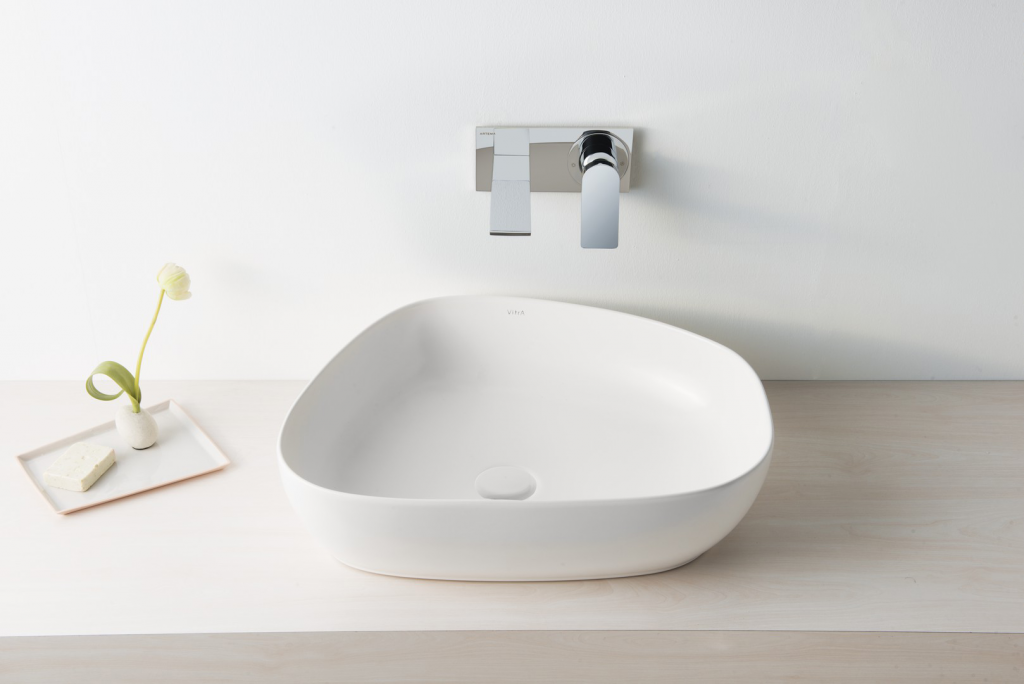

The bathroom has evolved from a basic utility space into a hub of modern convenience and high-tech functionality. Innovations such as smart showers, self-cleaning toilets, touchless faucets, and smart mirrors are redefining bathroom experiences, making them more comfortable, hygienic, and efficient. Here’s a closer look at these modern fixtures, their benefits, and the future trends shaping the bathroom space in hospitality.
Smart Showers: Personalized Comfort and Efficiency
Smart showers are one of the most exciting developments in bathroom technology. They provide a personalized and efficient showering experience by incorporating advanced controls and features. Unlike traditional showers, smart showers come equipped with digital interfaces, which can include touch screens or mobile apps, allowing users to set precise water temperatures and control water flow with great accuracy.
One of the standout features of smart showers is their ability to integrate with voice-activated systems such as Amazon Alexa or Google Assistant. This integration allows users to start, stop, or adjust their shower using simple voice commands, offering a hands-free experience that is especially convenient when your hands are full.
In terms of efficiency, smart showers are designed to reduce water consumption. Many models include built-in timers and flow restrictors that help manage water usage without sacrificing performance. According to industry research, smart showers can save up to 20% of water compared to traditional models. For a family of four, this translates to an annual water saving of about 2,700 gallons, which also reduces utility bills.
The comfort provided by smart showers extends beyond water control. Features like adjustable spray patterns and temperature memory enhance the showering experience, while some models even offer added luxuries such as aromatherapy dispensers and LED lighting.
Self-Cleaning Toilets: Enhanced Hygiene and Low Maintenance
Self-cleaning toilets represent a significant leap forward in bathroom hygiene and maintenance. These toilets utilize advanced technologies to clean themselves automatically, reducing the need for manual scrubbing and maintenance.
Self-cleaning toilets typically use high-pressure jets, chemical cleaning agents, or a combination of both to clean the bowl after each use. Some models incorporate ultraviolet (UV) light to further sanitize the surface by killing bacteria and viruses. These features ensure a high level of cleanliness with minimal effort.
An important feature of self-cleaning toilets is their antibacterial surfaces, which resist staining and bacterial growth. This reduces the need for regular cleaning and helps maintain a hygienic environment. Additionally, many self-cleaning toilets include self-drying functions, eliminating the need for toilet paper and contributing to a more eco-friendly bathroom.
According to data from the Indian Plumbing Association, these toilets can reduce cleaning frequency by up to 70%, which is a significant improvement in both maintenance and water usage. A survey by the National Association of Home Builders (NAHB) reveals that 30% of new home buyers are interested in self-cleaning toilets due to their convenience and hygiene benefits.
Touchless Faucets: Convenience and Hygiene
Touchless faucets are becoming increasingly popular in modern bathrooms due to their convenience and hygiene benefits. These faucets use infrared sensors to detect the presence of hands and automatically dispense water, eliminating the need to physically touch the faucet handles. This hands-free operation is particularly useful in maintaining cleanliness and preventing the spread of germs.
One of the major advantages of touchless faucets is their ability to conserve water. Many models come with adjustable flow rates and automatic shut-off features that help prevent water wastage. By reducing the amount of time the water runs, touchless faucets contribute to overall water savings and lower utility bills.
In terms of hygiene, touchless faucets minimize contact with surfaces, which helps reduce the spread of bacteria and viruses. This is especially beneficial in a bathroom setting, where maintaining cleanliness is crucial. The convenience of touchless operation also enhances user experience, making tasks like washing hands or rinsing off easier and more efficient.
Smart Mirrors: Multifunctional and High-Tech
Smart mirrors are a burgeoning trend in bathroom technology, offering a range of features that go beyond traditional mirrors. These mirrors are equipped with built-in displays and connectivity options that provide various functionalities.
One of the primary features of smart mirrors is their ability to display real-time information such as the time, weather, and calendar events. Some models also offer integrated lighting options that can be adjusted according to the user’s preference, providing optimal illumination for tasks such as shaving or applying makeup.
Smart mirrors can also integrate with other smart home devices, allowing users to control lighting, music, or even the shower through voice commands or touch interfaces. Some advanced models include features like built-in Bluetooth speakers or touch-sensitive controls for added convenience.
In addition to these functionalities, smart mirrors often come with anti-fog technology that prevents condensation from obscuring the reflection. This ensures a clear view even after a hot shower, adding to the overall user experience.
Future Trends in Bathroom Technology
The future of bathroom technology promises even more innovations that will enhance convenience, efficiency, and sustainability. Advances in artificial intelligence (AI) and the Internet of Things (IoT) are expected to further integrate bathroom fixtures with smart home systems, allowing for more personalized and automated experiences.
For example, future smart showers may offer advanced water conservation modes that adjust flow based on usage patterns or environmental conditions. Self-cleaning toilets may incorporate more sophisticated cleaning agents and technologies to further improve hygiene and reduce environmental impact.
Touchless faucets and smart mirrors are likely to see continued improvements in sensor technology and user interface design, making them more intuitive and responsive. Additionally, emerging technologies such as water recycling systems and energy-efficient fixtures will play a significant role in making bathrooms more sustainable.
Conclusion
The innovations in bath fittings—smart showers, self-cleaning toilets, touchless faucets, and smart mirrors—are transforming modern bathrooms into highly functional and efficient spaces. These advancements offer significant benefits in terms of convenience, hygiene, and sustainability. As technology continues to evolve, we can expect even more exciting developments that will further enhance our bathroom experiences and contribute to smarter, more eco-friendly homes. Embracing these innovations not only improves daily routines but also aligns with a broader trend towards smarter living solutions.

The author Ramesh Baliga is Group CEO of Acquaviva