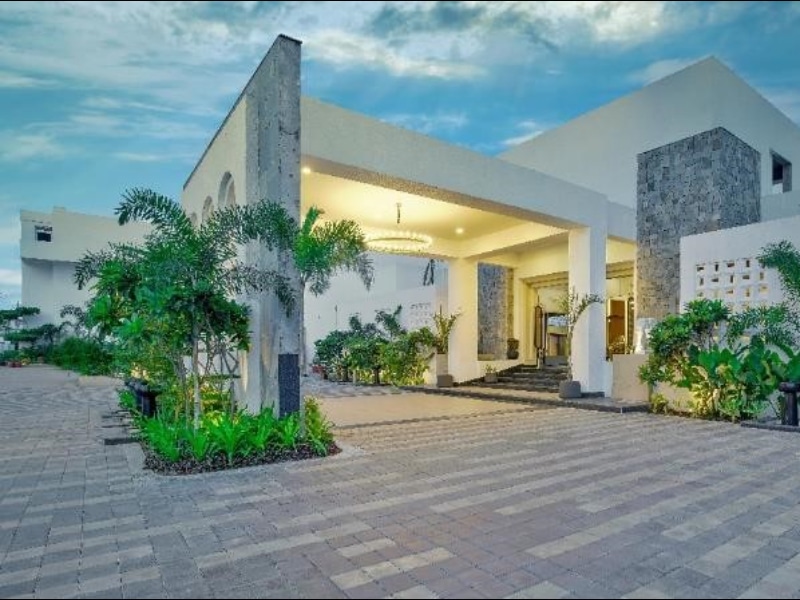

Restaurants in hotels (in-house restaurants) have always been a focus point for revenue and identity of the hospitality industry. Having a well-equipped F&B outlet within the hotel not only makes it convenient for guests to indulge in a quick meal, lavish dinner and drinks or even a dessert but also becomes simpler for hoteliers to showcase the best of their hospitality.

“An in-house restaurant can greatly affect a hotel brand’s identity and most importantly the positioning of the hotel. Additionally, it is a crucial aspect of the guest experience. The quality, atmosphere and menu offerings of the restaurant can positively or negatively affect a guest’s perception of the hotel as a whole,” says Sohil Bhargava, Food and Beverage Manager, Raffles Udaipur.
In short, layouts and plans need to be carefully laid out for the seamless functionality of both parties – for designers to create the right design and hoteliers to maintain the same.
Adds Suresh Kumar, General Manager, Ramada Resort by Wyndham Kochi, “There are a lot of factors that affect the decision, starting from the competition. You need to be aware if any of them are due for renovation or if something new is coming. Then, you need to consider whether the market will accept a radical concept. After going through the budget, the final decision is made between the owner, the General Manager, the chef, the food and beverage manager and the design team.”

What’s Trending In 2023?
2023-designed restaurants are thoroughly focusing towards engaging their users with sensorial experiences, allowing a sense of warmth, using natural materials, soothing textures and creating multi-functional spaces. Restaurants have had a tremendous shift towards health and wellness, veganism, sustainable dining, menu engineering and industry trends.

Bhargava further elaborates, “Additionally, there is a trend towards creating personalized and interactive dining experiences, such as open kitchens, communal tables and interactive menus. Rasoi, the cookery school at Raffles Udaipur, does an exceptional job of amalgamating these various elements. Guests can not only enjoy delectable delicacies here but can also learn from our culinary experts and immerse themselves in the art of cooking with fresh local ingredients and flavours.”
Targeting The Right Audience
Often, hoteliers comes up with a detailed restaurant concept which falls in line with their brand’s identity. But the concept is designed also keeping in mind the target audience.
Taljinder Singh, Senior Vice President and Brand Custodian, Indian Hotels Company Limited, expresses, “Developing the concept goes way beyond food, service or interior design, as it involves a whole host of interconnected considerations like innovation, culinary team, design, branding and marketing, strategy, financial modelling and much more. Keeping the target consumer at the heart of defining the elements of the restaurant experience is critical. “Loya at Taj Palace, New Delhi, targets millennials and Gen Z as their audience and offers an energetic vibe, be in its décor, cocktails, music or even the choice of service design and talent chosen to deliver it.”

Sensory-Driven Experiences
Restauranteurs are increasingly working on engaging all the different senses of diners. What a guest can see, smell, hear, feel and taste gives an overall positive experience to diners. “Even the positioning of exhausts plays a key role as it reduces the overload of different aromas from the food. In the end, you are not overwhelmed by the food’s aroma at neighbouring tables as the airflow carries it away,” says Kumar. Details such as live counters or chef’s tables are designed to draw the diner’s eyes to the depth of flavours, creating a magical experience.

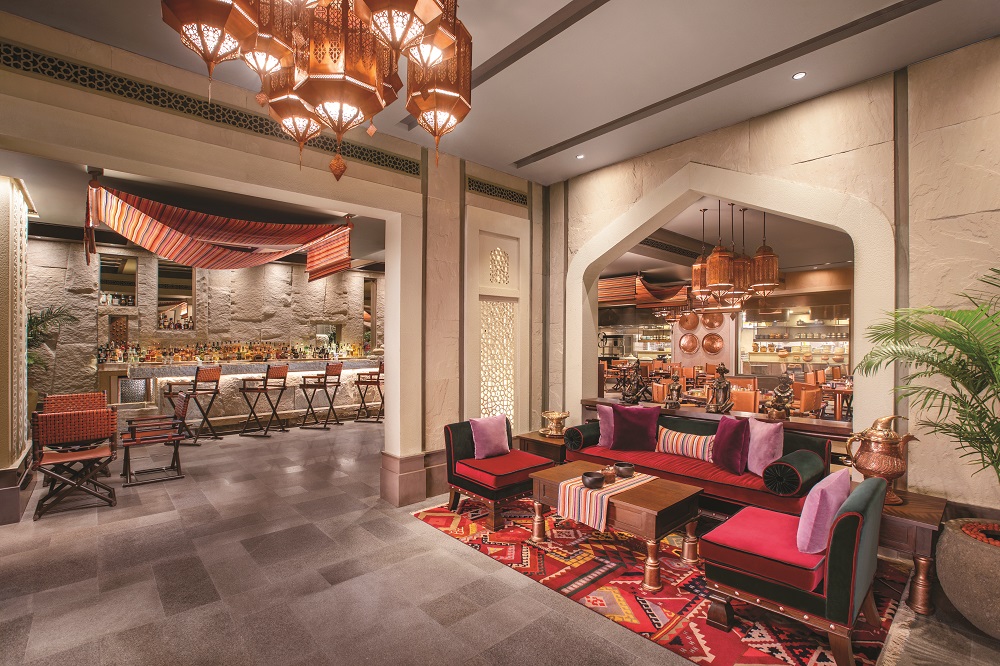
Loya, at Taj Palace, New Delhi, exemplifies this philosophy. Singh further elaborates, “Its distinctive style of sandstone masonry featuring arches, and alcoves are reminiscent of the region. The use of wood, copper, and bright-coloured canopies represent an Indian Bazaar. The music philosophy of Loya is a medley of its Northern roots and the tastes of its global patronage and it serves cuisines from the heart of the Northern sub-continent, inspired by ancient cooking techniques. Loya’s Indian-signature ambience is created to complement our patrons’ all-encompassing dining experience.”
Right-fitted Furniture
Less is more is the mantra while designing restaurant furniture. Designers are now focusing on what to place where without cluttering the space with lots of furniture, remembering that less is more.

Misbah Kapadia, Founder and Interior Designer of Design Konstruct, opines, “If the client has a fast food restaurant, the ambience should be quick and easy whereas if it’s a restaurant/ bar, furniture movement is important. The centre furniture should be movable so that room can be created as and when required. Fine dining restaurants should have unique furniture and intricate design elements to enhance the overall experience.
“Small elements and the right kind of aesthetics and decor are very important while designing a space. The spaces we create should not only have high aesthetic value but should also be functional. How spacious your restaurant will feel, how comfortable it will be to walk around without bumping into people or crashing into tables is very important.”

Building On Trends
Architects are also modulating their designs according to the needs of hoteliers and the current trends catering to the F&B spaces. Abhigyan Neogi, Founder and Principal Architect, Chromed Design Studio, explains, “The latest F&B trends include social media-approved aesthetics, a vegan way of living, Michelin-star recipes, and treating the act of eating out as a wholesome culinary experience. This has led to the rise of unparalleled themes, lighter spaces and maybe smaller and open kitchens and viewing decks, and design decisions that weave a story worth telling. These shifts in trends influence not only the planning but also how a space is perceived and how it is then crafted to influence emotions and experiences in return.”

Essential Ergonomics
While designing a floor plan, the planner should be familiar with ergonomic and anthropometric capacities i.e. understanding the space necessary for human seating and locomotion. “Creating a well-ordered plan involves various factors under human comfort that encapsulate lighting, thermal comfort, safety and optimal utilization of circulation and seating spaces, acoustics and air quality,” says Neogi.

Bespoke experiences, brand considerations, lighting, acoustics, sustainability, mobile ordering and payments, cloud-based POS systems, Artificial intelligence (AI), Virtual reality (VR) and robot services – all of these should smoothly flow with the design of a restaurant.
“The trick lies in knowing how to do this tastefully so that the client appreciates the modern trends that have been incorporated,” says Kapadia.
“However, the overall design of the interiors shouldn’t go out of style after a few years. A well-done place should be able to cater to all the generations and should be easy to maintain,” concludes Kapadia.