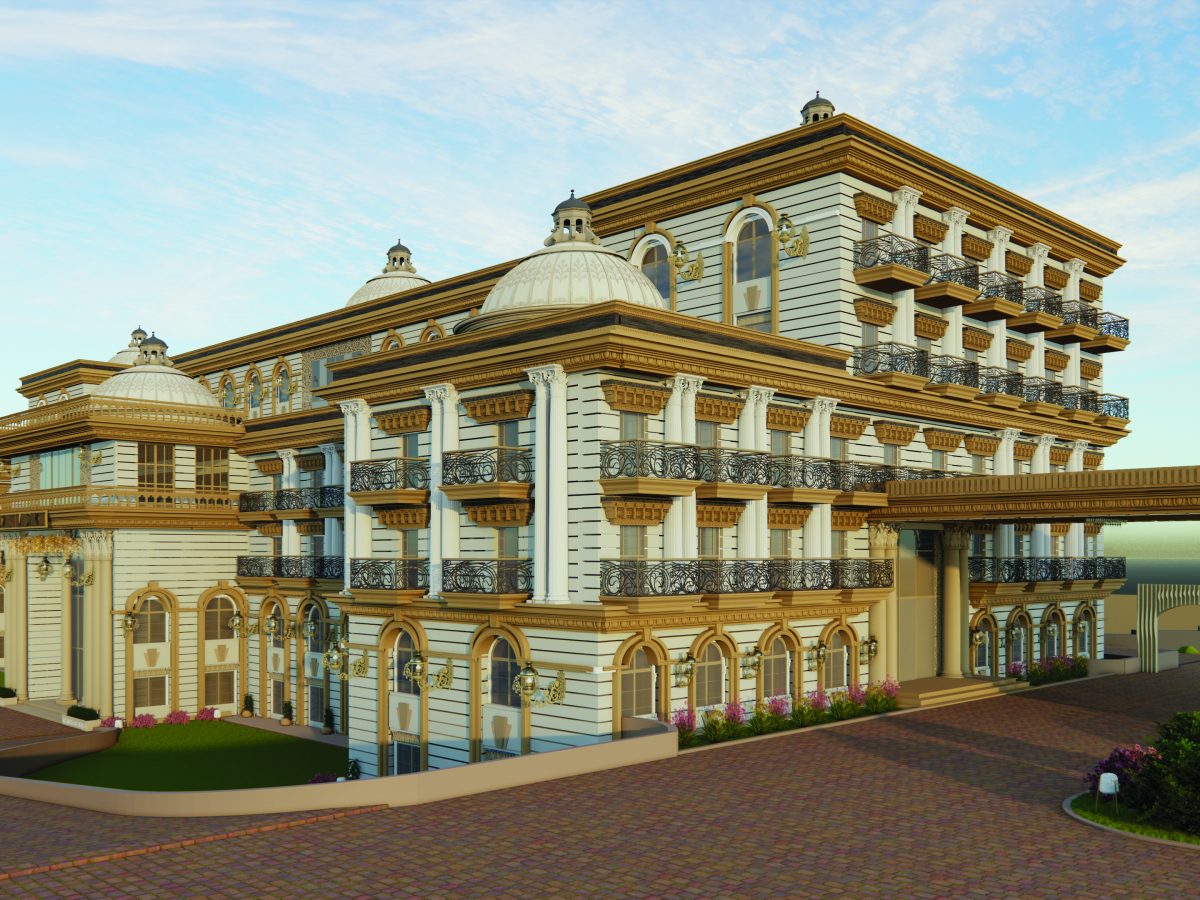
The food and beverage industry, Food and Beverage – is a rapidly growing design industry, which allows a creative edge for the designers to innovate aesthetically pleasing designs while complementing their functionality, thus, giving rise to endless, dynamic possibilities. Their demand in cities and towns requires the innovation and exploration of unique concepts and design attractions that can turn dining into immersive experiences. F&B projects are increasingly incorporating thematic designs, a transpiring design trend, into their interiors, as attributing themes to a space, binding it cohesively as a whole.

Designing restaurants include a series of complex processes that need to cater to a multitude of aspects which include optimizing the functionality of spaces while favouring the inclination of the masses to aesthetics. Following a definite theme helps control the design of a space with the use of elements – decor, furniture, patterns, and colours — to express the desired concept and avoid conflict in design. Employing thematic designs in individual projects enables designers to creatively explore different cultural styles, be it cultures of distinct regions, or art forms and movements from the past. A thematic approach also influences the basic planning of a restaurant as every theme requires a specific arrangement after which, a fitting ambience is crafted. Diners from 80’s American pop culture, traditional dhabas of Punjab, or Ramen restaurants of Japan, all follow particular colour palettes, planning and design, and décor as they follow specific themes which set them apart from others.
Chromed Design Studio thrives in the Food and Beverage design industry, offering a plethora of projects adhering to eccentric concepts and themes, making them stand out in the architectural fraternity. Their range of projects oscillates from a pop-culture approach to following regional styles, which encouraged them to explore and conceptualize different themes, resulting in ingenious designs for every project.

‘Key’, an Food and Beverage project by Chromed Design Studio, adopts a classical, luxurious theme designed to celebrate nightlife. The theme established is derived from the classical art form which uses elegant chandeliers, strips and pendant lights amalgamated with royal bold colours and furnishings which lend an authentic style to the design. The design respects the theme by fashioning the interior architecture by incorporating expansive furniture pieces, thoughtfully curating the dance floor in between the seating area and the bar for easy access and the overall decor, making the design look spacious.

Skye, a rooftop lounge crafted by Chromed Design Studio blends a modern contemporary style with the celebratory mood of parties, thus inventing a novel theme. The illumination of the rooftop bar with strip lights, chandeliers, glowing pillars, and cove lights in the cabanas contributes majorly to bringing out the envisioned theme. These fixtures establish the party vibe of the spaces while they blend with rich, bold colours giving the desired classic look.


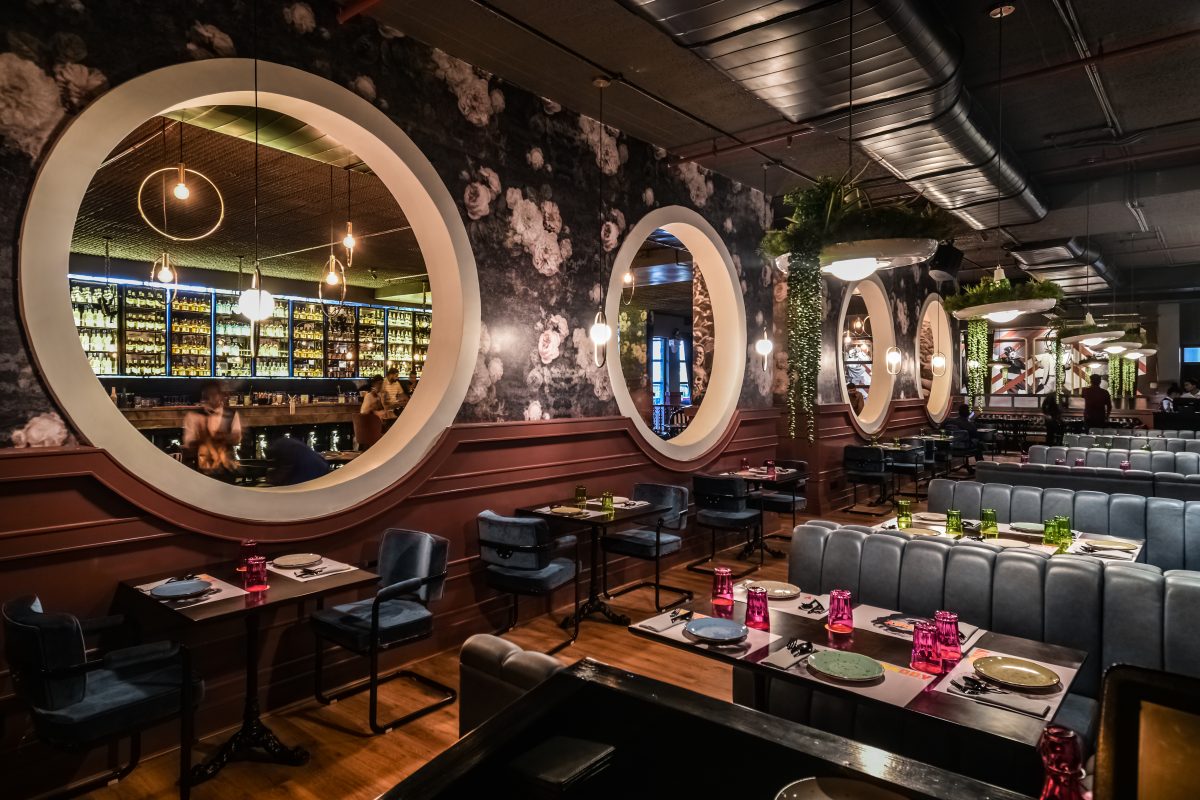
The café and bar, ‘Daddy’, by Chromed Design Studio, is an artsy hospitality project celebrating the pop-culture art form of the 90s by embedding various art pieces and geometric patterns in various ways. The design took an unconventional approach to pop culture by infusing elements — assemblies of circular voids on walls enveloped in off-beat graphics and geometric patterns about pop culture — which embraced the envisioned thematic experience.


Another project, ‘The Market Place’, explores the theme of a food market by taking inspiration from the chaos of market spaces. The restaurant is segregated into different food zones with distinct kiosks for cuisines from all around the globe, thus traversing the concept through its planning. The commotion and engagement of a bustling market are reflected in the arrangement of the furniture and its rusticity.


Thematic styles of design can enhance end-user experiences of F&B projects and captivate the attention of users from all demographics. The projects exhibit the exploration of individual themes approached through unconventional means, thus breaking the conventional notion of thematic design and introducing the world to path-breaking ideas.