
Effective hospitality design goes beyond the basics of aesthetics and comfort, striving to evoke emotions and create lasting moments. It is about creating environments that resonate with guests, seamlessly blending functionality with elegance. This approach can make the guests feel valued and offer a unique experience by embracing local culture, sustainability, and innovative technology.
Central to effective hospitality design is a deep understanding of the needs and preferences of the target audience. Whether it’s a luxurious resort or a charming boutique hotel, the design should mirror the brand’s identity while catering to the guests’ desires. For instance, a family-oriented hotel might emphasise spacious rooms and recreational facilities, while a high-end urban retreat may focus on sleek, contemporary aesthetics and tailored services. By aligning the design with the guests’ expectations, establishments can foster a welcoming environment that resonates with their target demographic, leading to more personalised and engaging guest experiences.
Navigating the guest experience
Every interaction should be carefully curated, from when guests enter the lobby to when they check out, to leave a positive impression. Understanding the guest’s journey is a crucial aspect of creating memorable experiences.
By working closely with the clients to map out the guest journey, one can identify opportunities to enhance the experience at every touchpoint. Whether designing a welcoming lobby area, optimising guest room layouts for comfort and convenience, or creating unique dining experiences, every design decision is made with the guest in mind. This includes intuitive layouts that make it easy for guests to navigate the property and efficient service areas that streamline operations behind the scenes.
Incorporating regional culture and heritage
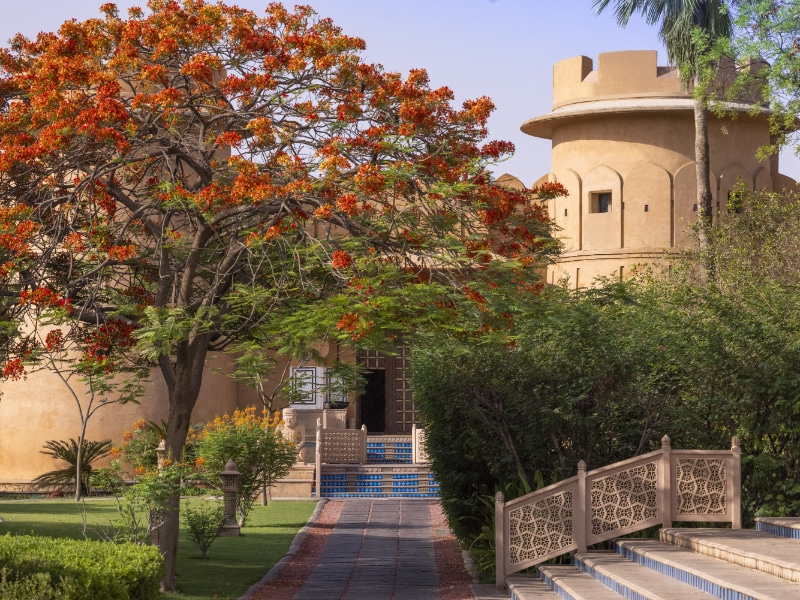
In the context of our increasingly globalised world, guests are increasingly seeking authentic experiences that allow them to connect with the culture and heritage of their destination. Incorporating elements of regional culture into the design of a hotel or resort can significantly enhance the guest experience. Whether it’s through artwork, decor, or architectural details, paying homage to the local culture can create a sense of place and help guests feel more connected to their surroundings. By collaborating closely with local artisans and craftsmen to integrate authentic cultural elements into the designs, establishments can ensure that each space tells a unique story and leaves a lasting impression on guests, adding a unique and authentic touch to the design.
Embracing sustainability and wellness
With the rapidly growing emphasis on sustainability and wellness in the hospitality industry, incorporating sustainable and wellness-focused design elements into hotel and resort projects has become increasingly important.
Designing areas that emphasise natural materials, ample natural light, and indoor-outdoor connectivity can significantly boost the overall health quotient. For instance, a space can incorporate green walls, water elements, and organic materials to create a serene, eco-friendly environment that promotes relaxation and mental well-being. Rooms with hypoallergenic materials, advanced air purification systems, and adjustable lighting can help ensure a restful and rejuvenating stay. Adding elements such as aromatherapy diffusers and ergonomic furniture can further enhance the wellness experience, making guests feel genuinely cared for in every aspect of their stay.
By prioritising these sustainable and wellness-centric design features, hotels and resorts not only cater to the growing trend but also set new standards in hospitality. This holistic approach enhances guest satisfaction and contributes to the industry’s long-term viability, inspiring and motivating the audience to embrace these principles in their own projects.
The art of detailing
Attention to detail is paramount, especially in hospitality design. From the selection of materials and furnishings to the placement of lighting and artwork, every detail contributes to the overall ambience and atmosphere of the space. For example, a boutique hotel might incorporate locally sourced artwork and handcrafted furniture to create a sense of authenticity and charm. At the same time, a luxury resort may use premium materials and finishes to evoke a sense of elegance and sophistication.
By understanding the needs and preferences of their target audience, prioritising functionality, paying attention to detail, and incorporating personalisation and customisation, hospitality can elevate the guest experience and differentiate themselves in a crowded marketplace. Ultimately, hospitality design is not just about creating beautiful spaces but also about creating meaningful experiences that resonate with visitors and keep them coming back.