In a hospitality environment, flooring can be one of those design elements that can bring quality and a touch of style and elan to the hotel environment. Opting for flooring which offers design flexibility can make it easier for a designer to seek more possibilities. However, the reflection of a hospitality brand through its aesthetics can be challenging. Hence it is important to get this aspect of an interior environment of a hotel just as right.
Choice of flooring is directly equivalent to the needs and requirements of a hotel and its amenities. The chosen flooring’s colour, style and pattern must reflect the atmosphere of a hotel. The room size and flooring size should be proportional to maintain balance. The selected flooring material also needs to support the high traffic of guests of a hotel who are always on the go. Budget, cost-effectiveness and maintainability are the other key points to keep in mind while designing flooring.
A designer’s perspective
Competition in the hospitality industry is quite challenging and hotels with lacklustre elements usually struggle to connect with the guests and their visual requirements. Usually, guests choose hotels which match their sense of aesthetics and style.
Designers lay out the flooring patterns and designs in a manner that targets the profile of hotel guests. The flooring pattern should highlight the amenities of a hotel and should stand out from the competition. The space should inspire visitors to book their property and should be well recognised to lure them back. It should also convey how strong the brand is. Hotel guests, whether they are staying for leisure or business, want to feel comfortable and invited.

Engineered wood has seen a huge demand in the past decade for being economical and long lasting. Technological developments bring ease and comfort that is loved by the people.
Architect Abhigyan Neogi, principal and founder of Chromed Design Studio,
Given the needs and requirements for flooring in hotel buildings vary from other buildings, here are the few key aspects that experts in the industry think should be considered for material selection. Architect Abhigyan Neogi, principal and founder of Chromed Design Studio, says, “Hospitality industry requires quite a strong flooring design due to heavy foot trafficking and a few key tips to keep in mind before selecting the right materials are; sanitary flooring solutions like LVT and hardwood as people of all types are expected to be there and sanitation is a priority.”

Wooden floors with its modern installation systems, not only saves a considerable time in construction, they are also easy to maintain and renovate, provided the right product is used.
Satinder Chawla, MD, Span Floors, New Delhi.
Satinder Chawla, MD, Span Floors, New Delhi, adds, “At the outset, it is important to know the profile of the guests that the hotel is targeting. If the target audience is HNIs, be they professionals or families, it is important to note that they most likely will be using a luxury flooring material in their home. They would be well travelled so would be exposed to the kind of materials being used in competing hotels. Choosing the right quality of the material is very crucial in such a scenario. It is a sorry state of affairs in certain properties where I have had the personal experience of staying. The choice of the material, installation technique, and maintenance protocols all are incorrect and ultimately lead to poor client satisfaction. Product specifiers, purchase teams, project management teams, housekeeping teams, and the vendors all need to be roped in and work as a team to achieve the desired result.”

Over the years, technological growth has had a major impact on the flooring categories, leading to improvised design innovations. For instance, advanced digital printing has changed tile’s aesthetic capabilities.
Alok Agarwal, chief marketing officer, Orientbell Tiles.
Alok Agarwal, chief marketing officer, Orientbell Tiles, says, “Each property is a brand in its own right. You choose the flooring that fits the brand’s character and its story. We see hotels attempting to reflect the local culture and ethos rather than having a cookie-cutter approach in line with the corporate brand. The wide variety of flooring gives enough choice for finding the right tile design that will fit the property’s narrative. While choosing floor tiles, one should consider a few other aspects: durability, maintenance, and scratch and slip resistance.”
He also adds that “Tiles are great for high-traffic areas, and they can withstand scrapes of chairs and tables. Laid in with the proper technical supervision they have enormous strength and don’t break easily. They are also stain-resistant and easy to clean. Made of natural clay, they are also environment-friendly and don’t release any gases. Wood-like tiles have much better acoustics and are softer on the eardrums than wood. They are eco-friendly, durable and very easy to maintain.”
Trends in flooring design
The hotel industry has undergone a clean set of transformations in the past couple of decades. They are shifting from market dominated hotel chain brands to an increase in boutique hotels. Similarly, there has been a change in their flooring materials. Ceramic tiles, which have been used for centuries (along with stone and marble), have now been elevated with hardwood visuals like ceramic digital printing technology, LVT which helps create a natural look, rather than using the actual material. Textures and patterns can be created on them according to the client’s needs.
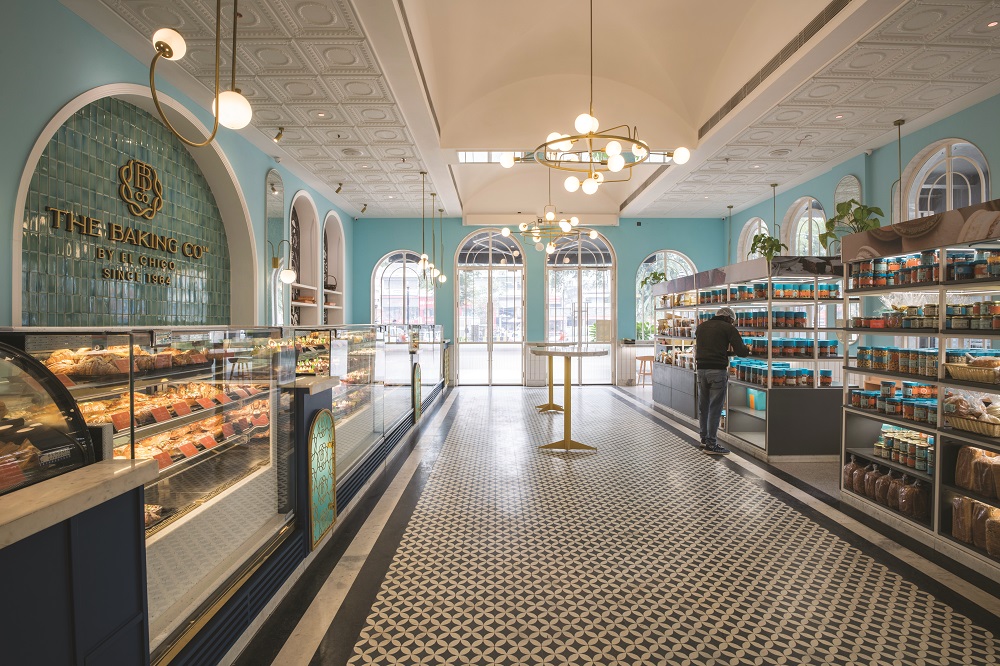
When asked about the prominent trends in flooring design in the hospitality sector, Abhigyan Neogi of Chromed Design Studio, stated, “There are multiple options for flooring available today ranging from natural substances to engineered options. Over the years, the design industry has evolved and traditional flooring options like carpets and wooden flooring are being replaced by trendy options like concrete, terrazzo and fancy tiles.”
Alok Agarwal of Orientbell Tiles says, “The most popular flooring options in this industry continue to be ceramic and vitrified tiles. The reason for this is the ease of maintenance and their resilience to stains.
We are also seeing a demand for unique products like Cool Tiles – that reflect heat (SRI >90), reducing indoor temperatures and contributing to saving energy. These advantages in lifecycle costs make ceramic and vitrified tiles great choices. You tend to get tired of them before they wear out.
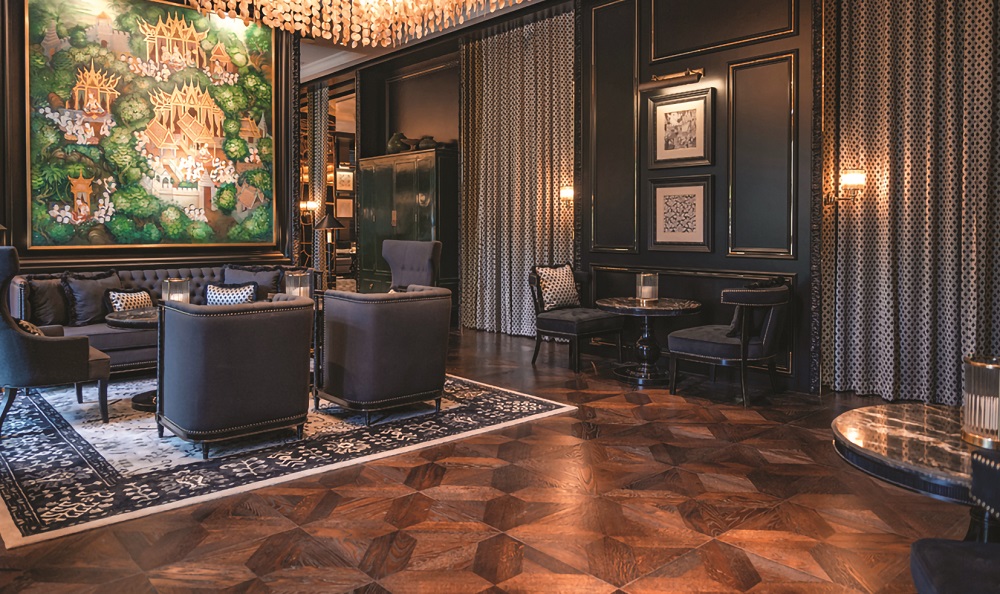
Satinder Chawla of Span Floors says, “Floor installation techniques also matter and affect the guest comfort. For example, our Elastilon underlay used to install engineered wood floors with T & G connection offers exceptional stability as well as brilliant in room and below room sound acoustic properties. Oiled floors are another flooring of choice in the engineered flooring category as they are very easy to repair, renovate and maintain”.
Renewable materials
Floor coverings and their making do leave an impact on the environment. The more severe ones are probably associated with the manufacturing of vinyl and synthetic carpets as they rely on high energy manufacturing process. (they produce toxic by-products and photochemical smog which adds to global warming) They also use materials such as petrochemicals which are non-renewable.
The initial investment in flooring products will often be higher than that of easily available materials in the market. However, there are cost benefits associated with these flooring materials. Many of them can function effectively for ten years compared to the five to seven years which are associated with some synthetic materials.
Avoid products that contain halogenated plastic (Disposal of PVC can result in high toxins). Green flooring is a great alternative for flooring in hotels, Most people consider ‘green’ as being made of natural materials with a high cost. But there is more to consider if one wants the flooring materials to have less of an impact on the environment such as the ability to be renewed, Recycled, Easier to transport, its maintenance and life cycle.
Hence Natural wool carpets, timber, bamboo, Hardwood flooring, lava natural stone, rubber, Recyclable glass tiles, Linoleum, Cork etc can be used as eco-friendly flooring materials that are durable and cost-effective.
Talking about the improvements that have been made in flooring materials, Satinder Chawla, says, “If we talk about wood floors, it is the resistance to moisture, the durability of the top layers to enable them to take more traffic, the environmental and emission profile (use of sustainable wood and low off-gassing materials to improve indoor air quality) as well as the installation and maintenance techniques. All have significantly improved to bring the level to world-class”

How has technology changed flooring?
Abhigyan Neogi elaborates that “Advancing technologies have had a vast impact on most major flooring categories for the past several years, especially in the hospitality industry. Digital printing in tiles is gaining popularity these days, providing a cost-effective and attractive option for flooring or cladding. Technology has also helped in the beauty and durability of carpets making them stain-resistant and less maintenance is required. Engineered wood has seen a huge demand in the past decade for being economical and long-lasting. Technological developments bring ease and comfort that is loved by the people. A combination of materials and patterns in flooring always adds grandeur to the place. For example in the popular nightclub Toyroom Aerocity, designed by Chromed Design Studio, we have used Herringbone wooden flooring and marble band at the border with Aluminum T-border inlay at the junction in the brass finish on the raised floor providing an elegant sense of space for the visitors”
On the same thread, Satinder Chawla, explains, “If we talk about laminate flooring, at Span Floors, we now offer our newest Water resistant laminate flooring which is becoming very popular. One of the challenges clients faced was that the hotel housekeeping staff would sometimes use too much water during cleaning or a guest might leave a tap unturned. This caused the laminate flooring to eventually degrade faster. As a solution, this new material is water resistant from 24 to 72 hours depending on the type. This means accidental spills, if left unhandled for this duration mentioned, would not cause the floors to deteriorate. This of course is subject to certain conditions. This is a boon for hoteliers as our collection contains no plastics and is totally made from wood sourced from certified forests with 3rd party certifications. If we talk about engineered floors, we offer products that have superb stability despite the varying Relative humidity (RH) conditions across the country and through the seasonal changes”.
Alok Agarwal adds that “Over the years, technological growth has had a major impact on the flooring categories, leading to improvised design innovations. For instance, advanced digital printing has changed tile’s aesthetic capabilities. Advances in manufacturing have brought in new sizes, shapes, textures and thicknesses making tiles look indistinguishable from natural stone & marble.
You can get tiles of 800x1600mm or 1200 X 1800mm that look and feel like marble. We are also creating stories so that tile designs blend into one another and 2-3 tile designs in lighter or darker shades or highlighters are available with patterns, and colours that can be combined. This makes transitions easier and minimises trip hazards.

If you are looking at creating movement in the lobby space, veins could be a strong option. You can also take some of these 600×1200 tiles on columns and integrate them much better with the floor. You can create warm and comfortable cafes or rooms with wood-like flooring. Even in a single room if you want to transition between the living area, sleeping area and bathroom there is a large variety of tiles to choose from. So you can have glossier marble in the living area, wooden tiles in the sleeping area and anti-skid matt finish tiles for the bathroom floor. Of course, all this is possible at a substantially more affordable price point. And it is also much easier to maintain.
He also adds, “With the versatility of indoor and outdoor usage, the enhanced technical characteristics create grip finish options and an unbeatable life expectancy. This, along with the wide range of designs on offer, has spiked growth in every sector including hospitality.”
At Orientbell Tiles, we have introduced various digital tools to make the process of buying and selling more convenient for manufacturers and consumers. With the latest digital tools and technologies on the website, you can find tiles of your liking by just uploading a picture from Instagram or Pinterest (Same look) Customers can also get a personalised 3D render of the chosen tiles in their project layout, along with recommendations from the company’s in-house designers (Trulock); or even order samples directly from the website.”