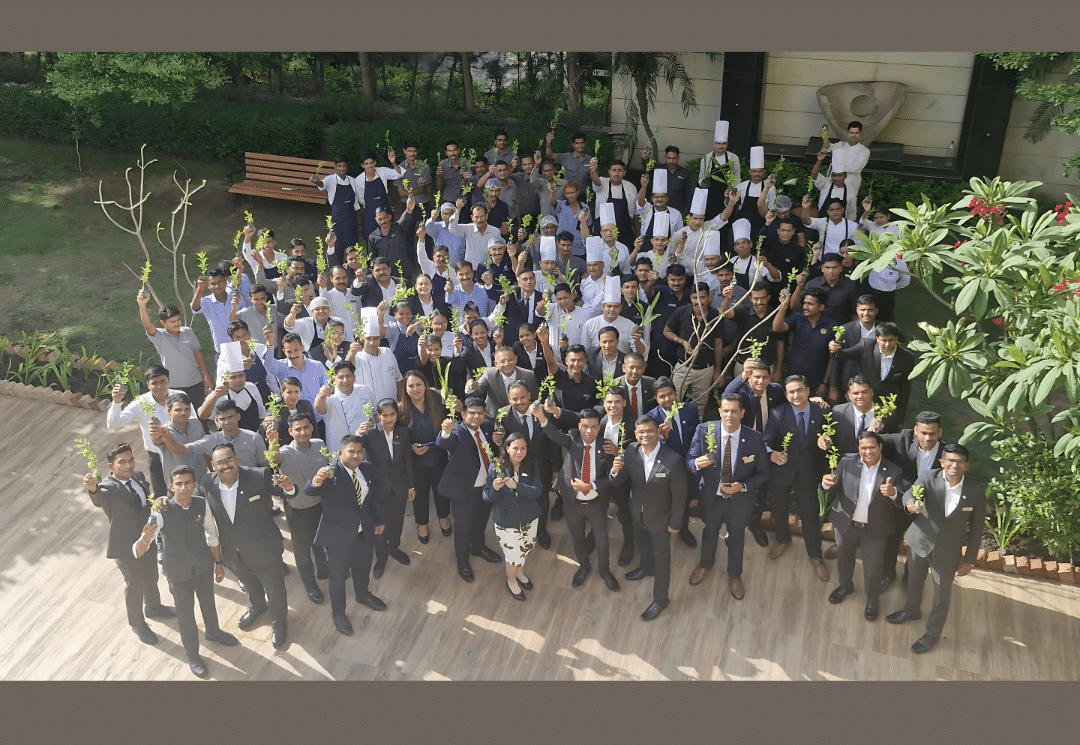

The surge of plant-based dining in recent years has transformed it from a niche trend into a mainstream movement, with luxury hotels around the globe embracing this shift with enthusiasm and creativity. As more travelers prioritize health, sustainability, and ethical consumption, five-star kitchens are reimagining their menus to deliver gourmet plant-based experiences that rival traditional offerings in flavor, presentation, and sophistication.
A Growing Demand for Conscious Dining
The demand for plant-based options is being driven by a mix of health-conscious millennials, environmentally aware Gen Z travelers, and global tourists seeking wellness-focused experiences. According to a report by Grand View Research, the global plant-based food market is expected to grow at a compound annual growth rate (CAGR) of 19.6% through 2030. This growth is influencing the way luxury hotels craft their culinary strategies.
Hotels are no longer offering plant-based dishes as mere afterthoughts. Instead, these menus are carefully curated, highlighting fresh, locally sourced ingredients and innovative culinary techniques. The rise in popularity of documentaries, wellness influencers, and vegan celebrities has only accelerated the interest in this movement, making plant-based fine dining a must-have in upscale hospitality.
Luxury Kitchens Embrace the Green Revolution
Leading hotel brands such as Four Seasons, Marriott, Taj Hotels, and Six Senses have integrated full plant-based sections into their dining concepts. Executive chefs in these kitchens are now working closely with nutritionists, local farmers, and sustainability experts to craft menus that not only satisfy the palate but also promote environmental consciousness.
At the heart of these kitchens, traditional cooking methods are being replaced or reimagined to suit plant-based ingredients. For example, instead of butter and cream, chefs are exploring alternatives like cashew cheese, almond milk, coconut cream, and aquafaba (chickpea water). Plant-based meats, crafted from pea protein, jackfruit, or seitan, are being expertly seasoned and prepared to replicate the mouthfeel of animal proteins, offering indulgent yet ethical options.
Innovation in Plant-Based Fine Dining
Luxury hotel kitchens are using this trend as an opportunity to innovate. Gone are the days when vegetarian meant steamed vegetables or plain pasta. Today, diners can expect meticulously crafted dishes such as beetroot tartare with almond ricotta, mushroom wellington in flaky puff pastry, smoked eggplant mousse, and even vegan foie gras made from lentils and nuts.
At the Peninsula Hotels, for example, plant-forward dishes include tofu ceviche with citrus foam and avocado puree. The Oberoi Group’s wellness resorts have introduced Ayurveda-inspired vegan meals designed for detox and rejuvenation. Meanwhile, Six Senses properties offer immersive plant-based cooking classes and garden-to-table experiences that allow guests to connect with their food at every step.
Sustainability: The Driving Force
One of the major drivers behind the rise of plant-based menus in luxury hotels is sustainability. Livestock farming accounts for nearly 15% of global greenhouse gas emissions. By reducing their reliance on animal products, hotels are not only meeting guest expectations but also aligning with global sustainability goals.
Luxury hospitality is increasingly judged not just by opulence, but by its environmental footprint. Offering plant-based options helps hotels reduce water usage, decrease food waste, and lower carbon emissions. Many properties are also incorporating edible gardens, hydroponic farms, and composting systems into their operations to complete the sustainability cycle.
Staff Training and Kitchen Adaptation
Introducing a robust plant-based menu isn’t as simple as adding tofu to the mix. Luxury hotels are investing in retraining chefs and kitchen staff to understand new ingredients, preparation methods, and plating techniques. Culinary teams attend workshops on vegan nutrition, fermentation, and plant-based protein structuring.
Kitchen layouts are also being adapted. Separate stations for plant-based preparation prevent cross-contamination and uphold dietary integrity, especially for guests with allergies or ethical concerns. Even the bar teams are exploring vegan wines, dairy-free cocktails, and mocktail pairings to complement the new menus.
The Guest Experience
Plant-based dining is now being integrated into the overall guest experience. From room service and breakfast buffets to fine dining and spa cafes, vegan and vegetarian guests no longer feel limited in their choices. Hotels are also including plant-based minibar items, cruelty-free toiletries, and wellness-focused room packages to offer a holistic experience.
With global travel resuming and wellness tourism on the rise, the plant-based revolution in luxury hotels is here to stay. It’s not just a dietary preference—it’s a lifestyle that reflects values, health, and a vision for a greener planet.
Luxury hotels are leading a quiet but significant revolution in plant-based cuisine, demonstrating that fine dining doesn’t have to come at the cost of the planet or personal health. As they continue to innovate, educate, and adapt, these establishments are redefining luxury for a more conscious, sustainable future. For travelers seeking indulgence with integrity, the future looks not just green—but deliciously so.