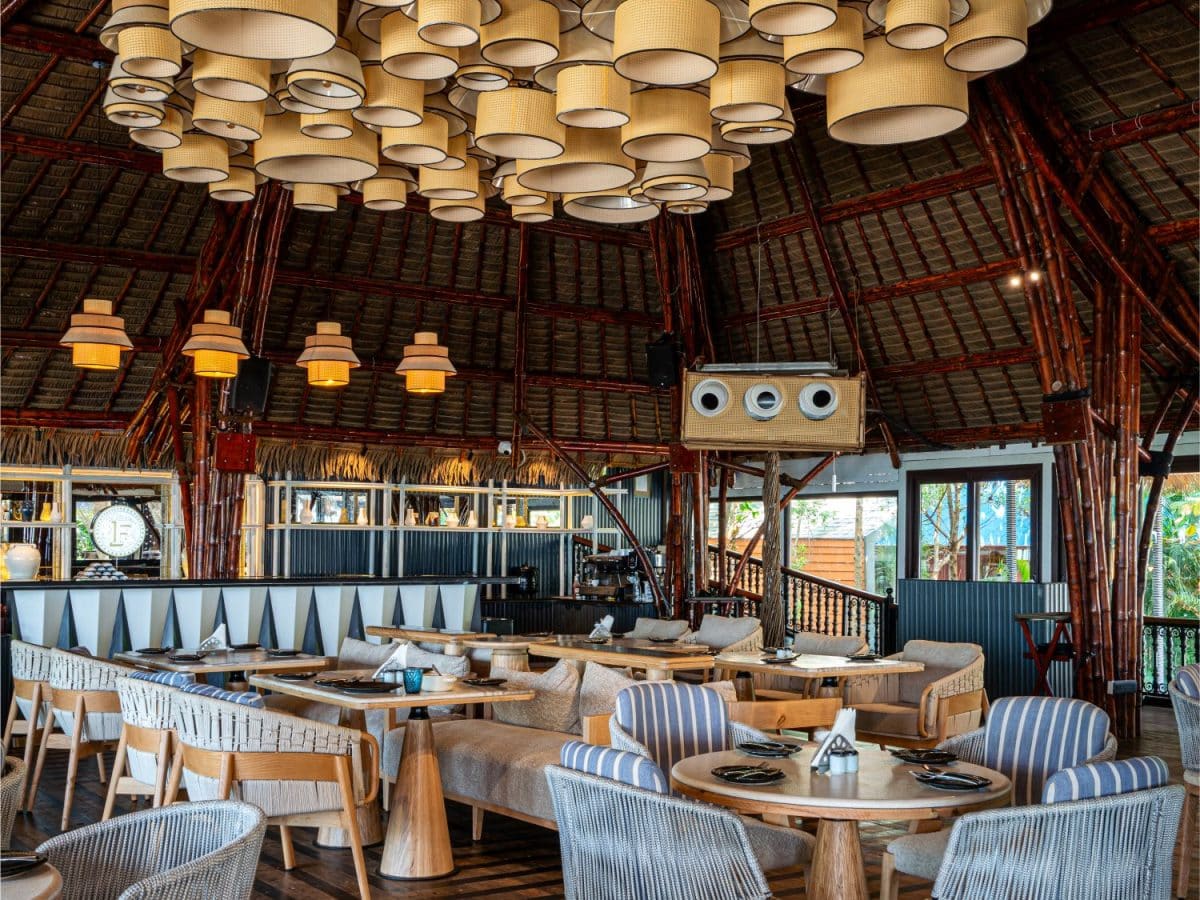

The farm-to-table movement has gained immense popularity in recent years, driven by growing consumer demand for fresh, organic, and sustainable food options. Restaurants worldwide are now taking this concept a step further by introducing hyper local menus that focus on sourcing ingredients from local farms, urban gardens, and even their own backyard gardens. This trend is reshaping the dining experience, offering fresher meals while fostering local economies and reducing environmental impact.
The Rise of Hyper-Local Menus
As consumers become more conscious of where their food comes from, hyper-local menus are emerging as a key differentiator in the restaurant industry. Chefs and restaurateurs are forging direct partnerships with local farmers, fishers, and artisanal producers to curate menus that change with the seasons and reflect the region’s natural bounty.
Hyper-local sourcing is not just about freshness; it also aligns with sustainability goals by reducing carbon footprints associated with long distance food transportation. Locally sourced ingredients spend less time in transit, leading to reduced spoilage, better nutrition retention, and ultimately, a superior dining experience.
Benefits of Hyper-Local Menus
Unmatched Freshness and Flavor
One of the biggest advantages of hyper-local sourcing is the freshness of ingredients. Fruits and vegetables are often harvested just hours before they reach the kitchen, ensuring peak flavor and nutritional value. This also allows chefs to experiment with heirloom varieties and lesser-known local produce that might not be available through conventional supply chains.
Stronger Community Connections
Restaurants that prioritize hyper-local menus build stronger relationships with local farmers and food producers. This fosters a sense of community and mutual support, as restaurants provide a stable market for farmers while gaining access to exclusive, high-quality ingredients. In some cases, restaurants even establish partnerships with community-supported agriculture (CSA) programs, further strengthening local ties.
Sustainability and Reduced Waste
Sourcing food locally means significantly lower transportation emissions and packaging waste. Additionally, many hyper-local restaurants embrace a nose-to-tail or root-to-stem approach, ensuring minimal waste by using every part of an ingredient. This philosophy supports sustainability and helps reduce overall food costs.
Customization and Seasonal Variety
A hyper-local menu thrives on seasonality, which means customers get a constantly evolving dining experience. Menus adapt to what is available locally at any given time, encouraging chefs to be creative and dynamic. This keeps diners engaged and coming back to try new seasonal offerings.
Challenges in Implementing Hyper-Local Menus
Despite the many benefits, shifting to a hyper-local menu model is not without its challenges. One of the primary hurdles is ensuring consistent supply. Small local farms may struggle to meet the high demand of busy restaurants, especially during off-seasons or in regions with extreme climate conditions.
Additionally, pricing can be a concern. While hyper-local ingredients are often superior in quality, they can be more expensive than mass-produced alternatives. Restaurants need to strike a balance between maintaining fair prices for consumers and supporting local growers.
Logistics also play a role. Unlike conventional suppliers that deliver in bulk, hyper-local sourcing may require multiple small-scale transactions, which can be time-consuming for restaurant management.
Success Stories and Innovative Approaches
Many restaurants are finding innovative ways to make hyper-local sourcing work effectively. Some have started their own rooftop or backyard gardens to grow herbs, vegetables, and even edible flowers. Others collaborate with urban farming initiatives and hydroponic projects to secure fresh produce year-round.
For instance, Blue Hill at Stone Barns in New York has gained worldwide recognition for its farm-to-table philosophy, with most of its ingredients coming from its own farm. Similarly, Noma in Denmark has revolutionized hyper-local dining by foraging local forests for ingredients and sourcing from regional farmers.
Food halls and pop-up dining experiences are also embracing hyper-local sourcing. Many feature vendors who work directly with nearby farms and bakeries, creating a culinary ecosystem centered on freshness and sustainability.
The Future of Hyper-Local Menus
As more consumers embrace conscious dining choices, the hyper-local trend is likely to grow. Advances in indoor farming, hydroponics, and aquaponics will make it easier for restaurants to secure fresh produce year-round, regardless of climate limitations. Furthermore, the rise of digital platforms connecting farmers with chefs will streamline sourcing, making hyper-local menus more accessible.
The farm-to-table movement has evolved into a dynamic force reshaping how we experience food. Hyper-local menus offer a sustainable, flavorful, and community-driven approach to dining, proving that fresh and locally sourced ingredients are more than just a trend—they are the future of food. As more restaurants adopt this philosophy, diners can expect a more personalized and environmentally friendly culinary journey.