
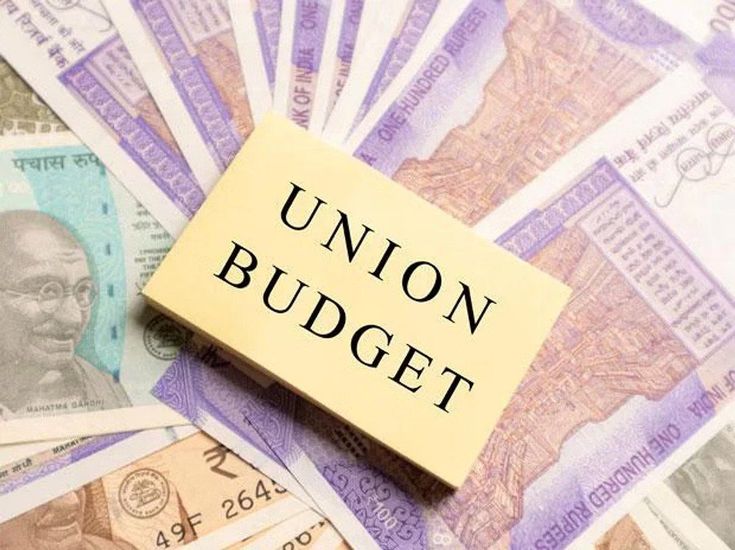
As the Union Budget 2025 approaches, the hospitality sector eagerly awaits announcements that could shape its future. With recovery underway post-pandemic, industry leaders are seeking measures to drive growth, enhance infrastructure, and encourage investments. Let’s explore what the leaders have to say.
Kulpreet Kaur, Director of Sales & Marketing, Hyatt Centric MG Road Bangalore
As the Director of Sales & Marketing, I am optimistic about the forthcoming Union Budget 2025-26 and its potential to significantly impact the hospitality sector. Granting industry status to hospitality would be a transformative move, acknowledging our substantial contribution to the GDP and employment generation. This recognition would facilitate easier access to financing and attract increased investments, propelling the industry toward sustained growth.
A reduction in the Goods and Services Tax (GST) is another pivotal reform we anticipate. Lowering GST rates would enhance the sector’s competitiveness, making India a more attractive destination for both domestic and international tourists. This change is expected to stimulate demand, encourage higher spending, and ultimately lead to job creation and economic development. Notably, the hospitality sector has advocated for zero GST or a refund of GST collected from foreign guests to boost tourism and create jobs.
Investment in infrastructure development is crucial for attracting global events and tourists. By building world-class facilities capable of hosting international concerts and conventions, we can position India as a premier global tourism hub. Such developments would not only draw visitors but also stimulate local economies and create employment opportunities.
In summary, we are hopeful that the Union Budget 2025-26 will introduce these strategic measures, fostering an environment where the hospitality sector can thrive and continue to contribute significantly to India’s economic landscape.
Utsav Shah, Architect and Strategic Designer, White Noise Design Studio
As a design studio focused on the hospitality industry, we believe the Union Budget 2025 can address key challenges and drive growth.
Our primary expectation is around incentives for sustainability. Hospitality is moving toward eco-conscious design, and fiscal policies encouraging the use of green technologies, renewable materials, and energy-efficient infrastructure would benefit developers and operators. Tax rebates or subsidies for adopting such practices can make sustainable choices more accessible.
Investments in tier-2 and tier-3 cities are critical to boosting regional tourism, which directly supports the hospitality industry. Improved connectivity, transportation hubs, and streamlined visa processes can encourage travel and tourism across the country.
We also urge the government to consider rationalizing GST rates on hotel tariffs. High tax brackets often discourage travelers, particularly in the luxury and boutique segments. A balanced tax structure can make travel more accessible to a broader demographic.
Specific grants or loans for creative sectors, including architecture and interior design, can encourage innovation within the industry, enabling studios like ours to explore new ideas. Union Budget 2025 holds promise, and we look forward to its impact on the hospitality sector.
Balaji M, CEO of Clarks Exotica Convention Resort and Spa
As we approach the Union Budget, there is an opportunity to refine policies that can further boost India’s tourism and hospitality sector. One key area is the GST rate on hotel stays, which currently stands at 18%. While this rate aligns with global standards in some respects, it inadvertently makes domestic travel less competitive, encouraging more Indians to travel abroad. A relook at this structure could significantly enhance the affordability and appeal of domestic tourism.
Additionally, India’s Meetings, Incentives, Conferences, and Exhibitions (MICE) sector holds immense potential but is hindered by GST charges on events. Exempting MICE events from GST or offering incentives for domestic and international organizers to host events here can position India as a global leader in this space.
Promoting hyper-local tourism is another area where concerted efforts could yield excellent results. Initiatives such as highlighting unique regional experiences, like Karnataka’s coffee trails, Kerala’s houseboat getaways, or Rajasthan’s rural village stays, can create awareness and encourage exploration. These experiences not only attract visitors but also provide economic opportunities for local communities.
Finally, increased budget allocation for marketing India’s rich cultural and natural heritage to global audiences can drive inbound travel. Campaigns similar to ‘Incredible India,’ but with a sharper focus on the diversity of hyper-local offerings, could inspire both international and domestic travelers.
We’re confident that thoughtful policy changes in the upcoming budget can further strengthen India’s position as a preferred travel destination while fostering sustainable growth for the tourism and hospitality industry.
Manju Sharma, Managing Director, Jaypee Hotels & Resorts
As we look toward Union Budget 2025, the hospitality industry stands ready for transformative growth. The sector’s potential to drive economic growth, generate employment, and strengthen India’s global tourism position demands strategic policy intervention. Our vision for the industry hinges on three critical areas.
1) Granting infrastructure status to hospitality would unlock competitive financing, enabling us to create world-class facilities that meet evolving global standards.
2) Streamlining taxation structures and licensing processes would enhance operational efficiency, making India more competitive in the international tourism market.
3) Finally, we envision a future where government support for sustainable tourism infrastructure and skill development creates a robust ecosystem for next-generation hospitality. This would enable us to offer the tech-integrated, sustainable luxury experiences that modern travelers seek while preserving our rich cultural heritage.
The upcoming budget presents an opportunity to position India as a leading global tourism destination.
Bakul Chandra, Founding Partner & Mentor at Renascent Consultants
The Union Budget 2025 provides an opportunity to address key areas that can impact the hospitality sector. At Renascent Consultants, we see several priorities that require attention.
First, there is a need for focused support on infrastructure development in smaller cities. Investments in better transport networks, connectivity, and urban amenities can open up new markets for hospitality projects. Second, tax incentives for adopting energy-efficient materials, water management systems, and renewable energy can help reduce long-term operational costs for hotels while aligning with environmental goals.
Third, a review of GST rates on hotel tariffs can make hospitality services more accessible, driving demand among domestic and international travelers. Fourth, we suggest that government programs include financial support for research and innovation in architecture and design. This can help create new approaches to planning and building hospitality spaces that meet evolving customer needs.
Finally, creating streamlined approval processes for hospitality projects can encourage timely execution and attract investments into the sector. These measures can strengthen the sector’s foundation and foster growth, benefiting stakeholders across the ecosystem.
Akaal Manchanda, Founder and Director, Zuper Hotels & Resorts
The recent travel boom presents a golden opportunity, but leveraging it to its fullest requires crucial support from the government. To foster sustained growth in the sector, we call on the government to invest in essential infrastructure development, reevaluate the existing tax framework, increase funding for tourism promotion, enhance digital infrastructure, and prioritize initiatives that advance sustainability.
Prasuk Jain, Managing Director, Snow World Entertainment & Prasuk Jain Hospitality
The upcoming budget offers a chance to simplify tax structures for food, beverage, and recreational activities, fostering consumer engagement and operational efficiency. Addressing classifications for automobiles and components can eliminate complexities, ease compliance, and encourage innovation, driving growth across connected industries.
Manoj Bhat, MD & CEO, Mahindra Holidays & Resorts India Limited
As we look forward to the Union Budget 2025, we are optimistic about transformational initiatives that will further propel India’s hospitality sector to new heights. The sector holds immense potential, as evidenced by an impressive occupancy rate of 68% in the last financial year—the highest in a decade—driven by a surge in both leisure and business travel.
However, despite over 230 million international arrivals recorded in the Asia-Pacific region in 2023, India accounted for just 7.2 million, highlighting significant untapped opportunities. To capitalize on this potential, continued investments in robust infrastructure development are essential. We anticipate that the Union Budget will prioritize policies that accelerate infrastructure growth, streamline approvals, and encourage private sector participation.
Granting the industry full sector status could be an effective way to fast-track financing and approvals, and strengthen India’s position as a global tourism hub. Policies which will foster innovation in sustainable tourism and introducing incentives for adopting green practices, which will not only benefit businesses but also ensure long-term environmental stewardship could add another dimension to the progress of the industry.
Vishal Puri, Co-Founder, Spalba
The hospitality industry, a key driver of India’s economic growth, is poised to expand, but it needs substantial support to overcome operational challenges. The upcoming budget must prioritize simplifying GST compliance to streamline operations and foster business growth across the sector.
Additionally, the introduction of mandatory sustainability practices, including energy-efficient construction and waste management, will not only help the industry become greener but also more competitive. Tax incentives for renewable energy adoption in hotels and resorts would further reduce costs while promoting eco-friendly operations.
However, the focus shouldn’t be solely on physical infrastructure. India must also prioritize the development of digital infrastructure to bridge existing gaps and drive growth. Digital twin technology, which creates virtual replicas of physical assets, offers a transformative opportunity for the hospitality and tourism industry. By incentivizing the adoption of digital twins for infrastructure management, hotel chains can optimize their operations, improve customer experiences, and enhance sustainability.
The budget should prioritize these e-infrastructure technologies, with robust intellectual property protection and their mandated use in government events and projects. This would spark innovation within the hospitality sector and set the stage for sustainable urban development. A balanced approach that merges sustainability, digital transformation, and regional growth will ensure the hospitality sector thrives while contributing to a smarter, greener India.
Rajan Bahadur, CEO of Tourism and Hospitality Skill Council
The hotel, tourism, and travel industry can greatly benefit from a budget that emphasizes both immediate relief and long-term growth. Reduced GST rates for hospitality and travel services, infrastructure upgrades for tourism hotspots, and financial support for sustainable hotel and travel projects can create an ecosystem for robust industry growth.
For the travel sector specifically, enhanced connectivity through investments in transport infrastructure—such as better roads, railways, and regional airports—will significantly boost accessibility to lesser-explored destinations. Additionally, increased allocation for skill development, apprenticeships, and digital transformation will empower the workforce, ensuring the industry is prepared for future challenges and opportunities. While significant work is already underway in these areas, there is still a road ahead to fully unlock the potential of this dynamic industry.
Rama Mahendru, Country General Manager- India, Intrepid Travel
As we step into 2025, India’s inbound and adventure tourism sector holds immense promise, driven by growing demand for meaningful and sustainable experiences. The Union Budget 2025-26 must underscore tourism’s transformative potential by prioritizing infrastructure development, sustainable practices, and initiatives like new adventure tourism circuits and community training.
With enhanced campaigns promoting India as a premier destination, we can strengthen the industry, create jobs, and position our nation as a top global choice for adventure and cultural tourism.
Jai Sreedhar, JMD, Rosetta Hospitality
As the hospitality sector continues to recover and grow, the upcoming Union Budget 2025 offers a significant opportunity to address some long-standing challenges and help the industry reach its full potential.
1. Rationalisation of GST:
The current GST structure creates challenges, especially for luxury hotels. Rationalising GST rates and introducing uniformity across categories would enhance affordability for travelers and simplify compliance for operators, ultimately driving demand and revenue.
2. Enhanced Funding Support:
The hotel industry needs better funding support from both the government and banks to help with the development of new projects. Easier access to loans with favorable terms would encourage investment in infrastructure and promote overall growth in the sector.
3. Input Tax Credit on Construction Costs:
One of the pressing issues is the inability to claim input tax credit on construction costs. Allowing this would significantly ease the financial burden on hotel developers, incentivizing investment and expansion in the sector.
The hospitality industry is a critical contributor to the economy, generating employment and attracting both domestic and international tourism. Addressing these key areas in the budget would not only strengthen the sector but also contribute to India’s overall economic growth.
Sonali Sethi, Head of Strategic Initiatives, Seclude Hotels Home Style
Seclude is at an exciting stage, well poised for expotential growth. For growing businesses like ours, the right government policies can make all the difference. To unlock India’s full potential in heritage tourism and transform old properties into thriving tourism hubs, players like Seclude need financial incentives such as tax breaks or subsidies to be encouraged to preserve and showcase our rich culture.
Additionally, we need to stop sending everyone to the same five destinations. It’s time to decongest overcrowded hotspots such as Shimla, Nainital and build up unexplored gems like Ramgarh, Palampur and Pangot with better infrastructure—roads, connectivity, the works—and promote them as the next must-sees destinations. As Indians continue to flock to affordable international destinations for vacations, it is imperative to lower GST on hotel rooms to promote domestic tourism, encouraging people to explore the beauty of their own country.
There is a glaring gap in skilled labour. Currently, we’re training unskilled local workers ourselves because there’s no government support for hospitality programs. Tourism generates jobs, boosts local economies, and drives revenue for the government, yet it receives no subsidies or tax breaks. This needs to change.
Dharamveer Singh Chouhan, Co-founder & CEO, Zostel
As India’s leading hostel chain championing remote and lesser-known destinations, we look forward to continued government support in elevating Indian tourism on the global stage. We hope the upcoming union budget will emphasize the development of emerging tourist hotspots, attracting both domestic and international travelers.
Furthermore, fostering a robust environment for local entrepreneurs and promoting unique local experiences, cuisines, and cultures—beyond the well-known attractions would be invaluable. Investments in indirect enablers such as transport infrastructure, connectivity, and improved access to remote areas will play a crucial role in unlocking the potential of unexplored destinations.