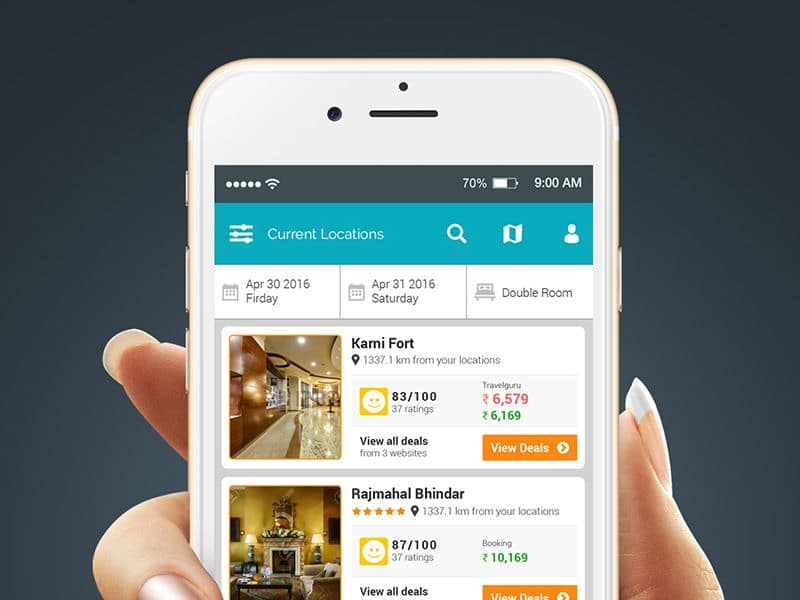

The transition from traditional legacy systems to cloud-based solutions has provided hotels of all sizes and service levels with unmatched flexibility, efficiency, and cost-effectiveness. This shift has enabled them to manage their properties seamlessly, automate operations, and access real-time data from any location, ultimately enhancing their operational efficiency and guest service capabilities.
Solutions Galore
Cloud computing in hospitality enables hotels to streamline operations, enhance customer experience, and improve data management. Key applications include property management systems (PMS), point of sale (POS), online booking engines, and mobile apps for guests and staff. Major players offering cloud solutions in this sector include Oracle Hospitality, Amadeus, Salesforce, and the like.
Swapnil Kholkar, Cluster Information Technology Manager at DoubleTree by Hilton Goa – Panaji, Hilton Goa Resort – Candolim, and DoubleTree by Hilton Goa – Arpora – Baga, says, “The shift towards cloud computing in hospitality is driven by the need for greater agility, scalability, and cost-efficiency. Cloud solutions allow for real-time updates, centralised data management, and seamless integration across multiple platforms. Cloud-based applications in hospitality are used in various areas, including PMS to streamline reservations, check-ins, and check-outs. They are also used in customer relationship management (CRM) to enhance guest engagement and personalised services in housekeeping management to improve scheduling and tracking of room cleaning and maintenance and POS systems to simplify transactions and inventory management in restaurants and bars.”
Cloud Edge
Cloud-based systems streamline operations and foster a culture of innovation in the hospitality industry. Hotels can now readily adopt cutting-edge technologies like AI and IoT, creating personalised guest experiences and more efficient resource management. This continuous evolution is setting a new standard for excellence in the industry.
Aditya Sanghi, CEO and Co-Founder of Hotelogix, India’s leading hospitality tech brand, avers, “Scalability is one of the critical advantages of cloud computing in the hospitality industry. Hoteliers can adjust resources based on demand, optimising operational efficiency and reducing costs. Additionally, cloud solutions help hotels expand rapidly. For instance, a hotel group can achieve its expansion goals by leveraging a cloud-based multi-property management system (Hotel PMS). This system can swiftly onboard new properties and bring them under the corporate office’s centralised operations, minimising overhead costs.”

Being Effective
There is an increased focus on moving hospitality operations to the cloud, as it is all about staying competitive while delivering exceptional service and remaining cost-effective. Embracing cloud computing is not just an upgrade; it is a strategic step towards a more agile, secure, and customer-centric future.
“Cloud-based applications have revolutionised the hospitality industry, offering seamless integration, enhanced efficiency, and superior guest experiences. From PMS to CRM tools, these apps streamline operations, enabling real-time data access and decision-making on the go. They provide swift check-ins, check-outs, mobile room keys, and personalised guest services for front desk operations. Guest services management apps can enable hotels to allow guests to raise service requests via their smartphones while tracking them for timely completion,” adds Sanghi.
Cost Advantage
The industry pays for the use of cloud software purely on a usage basis and there are no hardware costs and management or maintenance costs with costs of maintaining IT teams. One of the most compelling reasons to consider moving your hospitality operations to the cloud is the significant reduction in initial expenses. With no need for extensive on-premises hardware and IT infrastructure, hotels and restaurants can adopt a subscription-based model, paying for services based on usage. This results in more predictable and manageable costs.
Vibhas Prasad, Director of Leisure Hotels Group, says, “Cloud technology improves operations by providing quick access to data and applications from anywhere, hence increasing productivity. Cloud solutions enable businesses to modify resources based on demand, minimising big upfront costs and increasing flexibility. These kinds of services also reduce the need for large on-premises hardware servers, resulting in cheaper capital and operating costs. Real-time access to visitor data allows hotels to personalise services, resulting in enhanced guest satisfaction and loyalty. Cloud providers also offer security procedures and compliance certifications to safeguard sensitive guests’ information.” Moving to the cloud incurs early setup costs and subscription fees. However, these expenses are compensated by major benefits such as lower IT infrastructure costs, scalability, and increased operational efficiency.
App Advantage
Cloud-based apps are not just tools but game-changers in the hospitality industry. They streamline operations and elevate service delivery by revolutionising various areas. In property management, cloud solutions efficiently handle reservations, room assignments, and housekeeping schedules.
“CRM systems leverage the cloud to manage guest profiles and preferences, enabling personalised services and targeted marketing campaigns. Restaurants are embracing cloud-based POS systems to manage orders, process payments, and track inventory in real time. Cloud technology also supports revenue management by analysing market trends and customer data to optimise pricing strategies. Additionally, cloud-based tools enhance internal collaboration and guest communication, ensuring a cohesive and responsive service environment. The future of hospitality operations is bright with these cloud-based apps,” says Dr Rathnaraj Livingston, Director of Global Business Head and Chief Business Officer-HORECA, of HOSTBOOKS.
Future Ready
Cloud solutions boost operational efficiency, and downtime minimisation leads to higher guest satisfaction and increased revenue. The ability to scale resources up or down based on demand ensures that hotels and restaurants avoid overpaying for unused capacity, contributing to cost savings.
“This approach aligns with the increasing focus on environmental responsibility and sustainable business practices. Embracing cloud computing drives operational efficiencies and supports sustainability efforts within the hospitality industry. Cloud solutions reduce the need for physical servers and related infrastructure, lowering energy consumption and the overall carbon footprint. Additionally, the cloud facilitates the integration of advanced technologies such as artificial intelligence (AI) and machine learning (ML), which can further enhance guest experiences and operational insights,” opines Livingston.
By leveraging the cloud, the hospitality industry can remain competitive, continuously innovate, and meet the evolving demands of modern travellers.