
Ralph Waldo Emerson said ‘Health is the greatest wealth’ way back in 1860. Over the years, this powerful quote has only gained more and more momentum. So much so that it finds a place even in today’s traveller’s plans, leading to hotels gearing up their gym amenities and layouts. “Gym has many benefits to maintain fitness and health,” says Dr Kushal Bachani – Spa and Wellness Manager, Hyatt Centric Janakpuri, New Delhi. “It helps increase energy levels, improve muscle strength, maintain a healthy weight, improve brain function, lower the risk of developing diabetes, and enhance the immune system.”

But when it comes to designing a trendy-yet-functional gym, the interior planning goes way beyond neutral floors, plenty of lighting and open floor designs. With wider options such as advanced technology, gymming trends and hotel layouts, how does one plan out a modern, tech-savvy gym? Let’s find out…
Do hotels need a unique gym design?
Before that, let’s discuss the main question: Do home/ local gyms and hotel gyms require the same layouts? Hospitality brands pay utmost attention to wellness, well-being or nature. Their gym designs should also provide long-lasting memories for their guests by enabling a signature experience.
Suraj Mittal, Founder and Principal Architect, Future Concepts, says, “Considering the hotel’s brand and target demographic, the gym’s interior design should align with the overall aesthetic value, integrating elements that reflect the hotel’s identity and ambience.”
Hoteliers are now focusing on making their gym a ‘brand’ just like their F&B outlets. They can also carry a gym or fitness theme for engagement.

Husnavaz Dastur, Director of Spa and Wellness, Conrad Pune, elaborates, “For a luxury and upscale hotel, having a well-equipped gym is essential. Our wellness floor serves as a defining luxury feature for our guests, as it reflects our commitment to their well-being. Our gym offers a range of cardio machines, including elliptical trainers, treadmills, row machines, and cycles. These machines enable our guests to burn calories and shape their bodies effectively. Additionally, we provide a selection of weight training equipment designed to facilitate strength building and muscle development.”

Focusing on modernity
Gym designs, these days, are focused on new fitness trends and the latest workout concepts. Which makes it important for architects and hoteliers to understand their target audiences before designing.
Dr Bachani adds, “Whether it’s the traditional home gym with high-end machines, or simply a clear area with smaller accessories, regardless of the layout, it should become a safe place that adapts to users’ specific needs and fosters their health in every aspect.”
The basic design factors to be considered, according to him, are:
- Bringing nature indoors: The power of biophilic design in high-end gyms.
- Elevating gym aesthetics with luxury materials and details.
- The impact of lighting design.
- Layout and spatial design strategies.
- Elevating your gym with high-end equipment.
- The ultimate premium amenities at luxury gyms.
From analysis to layout
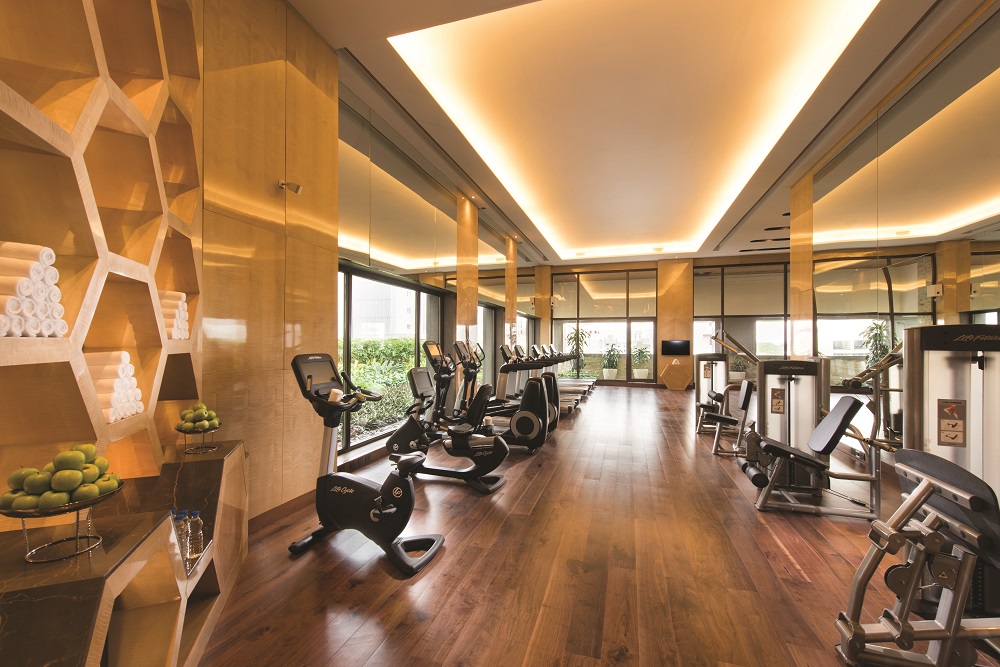
After carrying out an in-depth gym analysis, the architects take over the design. They ensure that the design is equally aesthetic as well as functional. To simplify designing, multifunctional spaces in gyms help tackle all design issues so that all the amenities can fit in one space.
Mittal avers, “Maximizing the use of limited space is crucial. However, it can be achieved through multifunctional equipment and adaptable layouts. Guest convenience is key, ensuring easy access to showers, lockers, and changing areas. Optimal lighting, ventilation, and acoustics should be incorporated to create an energizing atmosphere.”
Architects should also pay attention towards balancing cardio, strength training, flexibility and other exercises while drafting the plans, “Vertical space utilization, strategic equipment selection, and attention to ambience contribute to creating an effective and enjoyable fitness environment,” says Karan Desai – Founder & Principal Architect, Karan Desai Studio Architecture+Design.

Going Tech-Savvy – The AI Infusion
The incorporation of Artificial Intelligence in gyms, not only helps architects create a simpler gym design but also provides a wide range of fitness solutions for fast-paced fitness freaks such as AI-based personal trainers, fitness, equipment inclination and speed adjustment, fitness goals, personalised workouts etc.
Dastur elaborates, “With the integration of AI, gym software systems have become more efficient and streamlined, improving tasks such as membership management and scheduling. Additionally, technology advancements have led to the development of tools and devices that aid in achieving better fitness goals.” These factors help cut off the extra furniture and gym equipment which designers used to add to the initial gym layouts.
Shedding light on the benefits of AI in gyms, Dr Bachani explains, “The benefits include reduced human error; may cut costs, automatic repetition; enhances effective data acquisition and analysis; allows for quicker decision-making and assists with digital tasks.”
Technology takeover
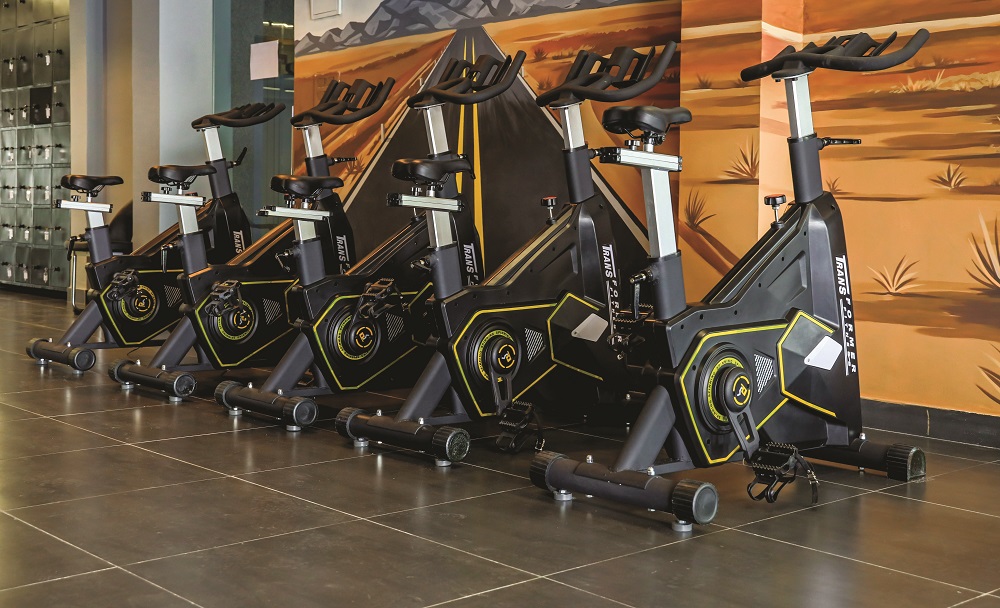
“Technology has revolutionised hotel gym layouts, evident in compact units like Technogym’s offerings,” says Desai. “These cutting-edge machines, even fitting into bedrooms, leverage extensive research and development to provide versatile and space-efficient workouts. Adjustable resistance, controlled electronically, enables users to engage in numerous exercise variations, promoting full-body engagement and efficient use of limited space.” These pointers help remove old-school gym designs and focus on minimal-yet-modern gym designs.
International training along with overseas trainers and fitness webinars is now possible with the help of technology. Mittal avers, “Space for virtual training and interactive screens allows guests to engage with digital fitness classes and streaming services. Furthermore, connectivity infrastructure and flexible spaces accommodate guests’ diverse technological needs. Hotels now offer digitally connected workout spaces, enabling guests to stay connected, motivated, and entertained throughout their fitness routines.”

Expanding outdoors
The new wave of wellness and fitness allows architects to be a bit more creative and experiment with fitness designs beyond the four corners of the gym.
Desai elaborates, “Outdoor spaces, like lawns or rooftops, are being utilised to introduce callisthenics equipment, offering guests the opportunity to engage in bodyweight exercises and outdoor fitness routines, thereby expanding the range of fitness experiences available within the hotel environment.”

Fitness for the body & soul
‘Wellness tourism’, a trending phenomenon among travellers, allows hotels to promote the fitness of their guests by engaging mind, body and soul. Not only do designers wish to keep the gym members happy but also ensure to provide fitness pockets to the elderly and children who do not require gym training. Hoteliers want their partons to experience calming yoga sessions during sunrise, a peaceful evening walk, or even a quick cross-fit/ Zumba session.

Mittal adds, “Specialized facilities like swimming pools, tennis courts, or indoor cycling studios add variety to guests’ fitness options. Emphasizing holistic wellness, hotels create dedicated areas for spa facilities, yoga studios, and meditation rooms. These additional fitness areas ensure a comprehensive experience, allowing guests to explore different fitness activities and find their ideal wellness regimen.”