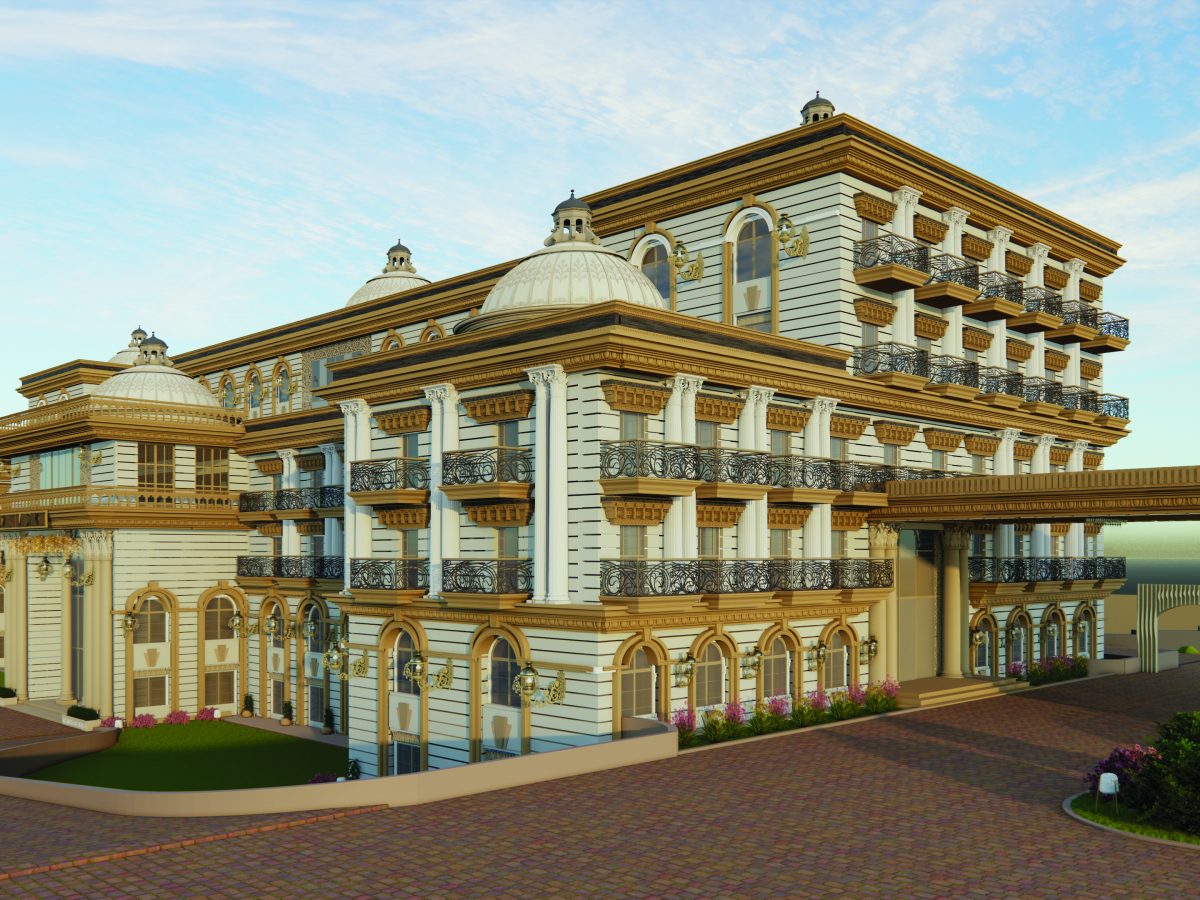
Designing and operating sustainable hospitality structures and solutions can have a huge impact on the environment. Sustainable design can help avoid unnecessary intervention on the ground in foundations. This, in turn, could affect things like water table in surrounding areas and knock on effects for agriculture etc, depending on location.
Captured and treated water can be used for toilet flushing or for irrigating landscaping, thereby reducing water consumption. Sun shading and orientation of the building can save energy consumption for either or both heating and cooling.
Sustainable materials and cleaning regimes that do not use, or reduce the use of, chemicals that find their way into the environment are also another important way of reducing the impact on the environment. Furthermore, using locally available delivery materials and operational supplies helps to reduce delivery miles and the associated carbon footprint.
These are just a few examples but there are endless opportunities to reduce the impact of a new building and not all have to be at above average cost.
BENEFITS GALORE
From a competitiveness perspective, hotels can benefit by winning corporate RFPs for clients who are conscious of their impact on the environment or have a responsibility to report their impact. The same is true of the growing number of environmentally conscious travellers.
From a hotel operating perspective, sustainable operational models help lower operating costs and increase efficiency. Finally, sustainable design elements and practices help a property’s integration into, and support for, local communities.
Many of Wyndham Hotels & Resorts properties in Eurasia are implementing sustainable practices that meet the growing expectations of eco-conscious guests. Ramada by Wyndham Lucknow has an off-site farm that provides farm-to-table dining experiences at its restaurant, thus promoting sustainable dining. Guests at Ramada by Wyndham Khajuraho can pick their own vegetables from the hotel garden and have
this prepared in their meals at the restaurant.
All hotels across Eurasia have a linen re-use programme and many utilise LED lighting. Additionally, they provide guests with eco-friendly and recyclable amenities.
Adopting a sustainable design strategy not only helps a hotel lower its operating expenses, but also increases the life expectancy of building systems and equipment. For example, incorporating water recycling into the hotel design and its operations reduces the overall water usage. Ultimately, these measures increase the asset’s value in the longterm.