Room-reservation is an online or over-the-phone experience. The first touch-and-feel experience that the guest has of a hotel, is during check-in. As a result, it needs to be a reflection of a brand’s DNA. It must be efficient and quick, while also securing relevant guest data, and keeping privacy intact. The scope of innovation extends from check-in kiosks, to new technologies that will be used by check-in staff and also the progress made in mobile check-in.
SURPRISE! WE KNOW YOU
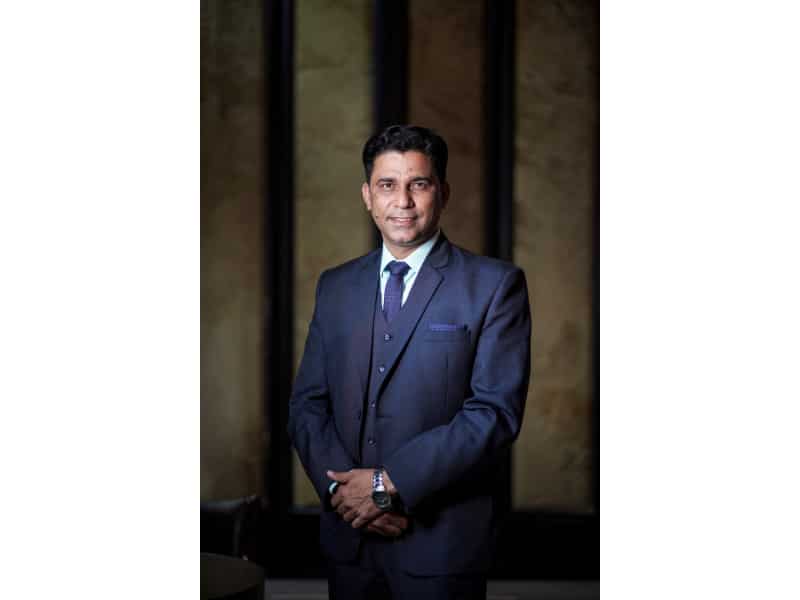
Hotels place immense focus on ensuring that guest preference data that has been accumulated over time, is available at the staff member’s fingertips during check-in. Citrus Hotels has deployed a central multi-property PMS hosted on a central data center. They say that a central property management system has helped them, as a global hotel chain, to operate as a single unit. “All connected hotels access the same guest information from a central database. All the information and data-entry features are available at the front office. The navigator is PMS’s main switchboard. From it, you can pull it up at any time; just right-click the guest’s name in any list, in the room plan or in one of many dialogs. As a result, you get instant access to your guest’s reservation details, billing details and all the notes recording your guest’s special requests and personal data like their birthday,” says Krishan Bhardwaj, DGM – IT, Citrus Hotels.
Having guest preferences readily available is a rule across the board. Marriott’s systems provide several sources of guest information that work together to provide a complete view. This includes global preference profiles and local or property-specific preferences, requests and history. “Associates are expected to use all of these tools to get a total picture of the guest and deliver service that meets or exceeds his expectations,” says Gaurav Apte, director of rooms at the Bengaluru Marriott Hotel Whitefield.
Marriott uses several different technologies during and prior to check-in, to ensure they predict and meet guest demands during check-in. “The Guest Reservation System (MARSHA) — Marriott Automated Reservation System for Hotel Accomodation allows for up to 12 reservation requests to be sent to the property with reservation. For instance it will give us details like the guest’s preference for foam pillows, non-smoking, feather-free room, king-size bed, refrigerator and low floor,” he says. Another system used by Marriott, and a majority of hospitality companies, Opera — Marriott uses volume-5 — gives information such as the member’s SGI profile and minor details like preferences for salty snacks (so housekeepers could add this before the room is given out), demands for golf-specific activities and requests for extra towels. Marriott also uses Guestware, which gives them details such as desired view, favorite wine, need exercise room opened early, favourite room and lists grievances such as ‘checked into dirty room during last stay’.
MOBILE MAGICIANS
“Anything that works on smartphones is hugely in demand at the moment,” says Sagun Sawhney, country manager, Micros, which services a large chunk of hospitality’s IT needs. The company will launch mobile applications to allow hotels to conduct mobile check-in ,later this month.
The front-end of the app, MyStay Manager is to be downloaded by guests. Opera2Go, the back-end of the app, will be utilised by staff. “It takes meet-and-greet to an all new level, and allows the guest to by-pass reception and conduct check-in on the way to his room,” Sawhney adds.
But this is India and the human element remains of utmost importance. “Opera2Go achieves a balance between the human element and technology by increasing the level of personal service that hotels can provide. Wireless touch pad devices carried by the staff displays key information including the guest’s name, room number, order history and preferences, and allows the staff to bring highly personalised service to the hotel guest wherever they may be on property. Opera2Go is designed to support functionalities related to guest profile, reservations and arrivals,” says Sawhney. Especially for VIP guests, this allows them to be checked in while a staff member walks them to their room.
Why not let the guest manage his own check-in? “In India, and Asia as a whole, hotels haven’t yet been met with a very dire need to reduce hands. Moreover customised service seems to be the order of the day,” Sawney says. He also points out that even at airports, self check-in kiosks are manned. “It allows them to beat the check-in line, while retaining the human element,” he adds.
Is there room for more? Certainly. A demand from hotels is to make apps more accessible. “It will be a good idea to build every software on windows-based and other mobile technology, as well so that solutions will not have limitations,” says Bhardwaj.